 English
 Spanish
 French
 German
 Italian
 Chinese (Simplified)
 Japanese
 Korean
 Arabic
 Portuguese
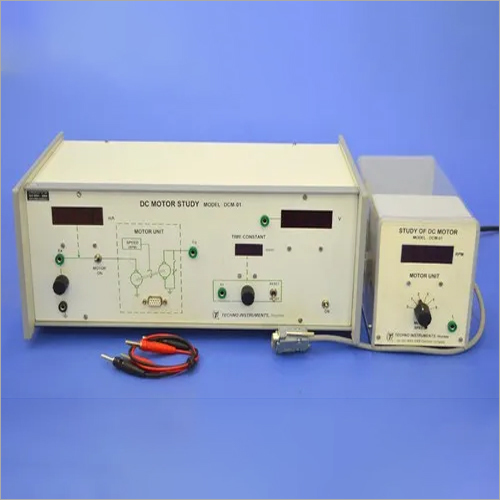

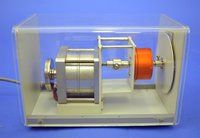
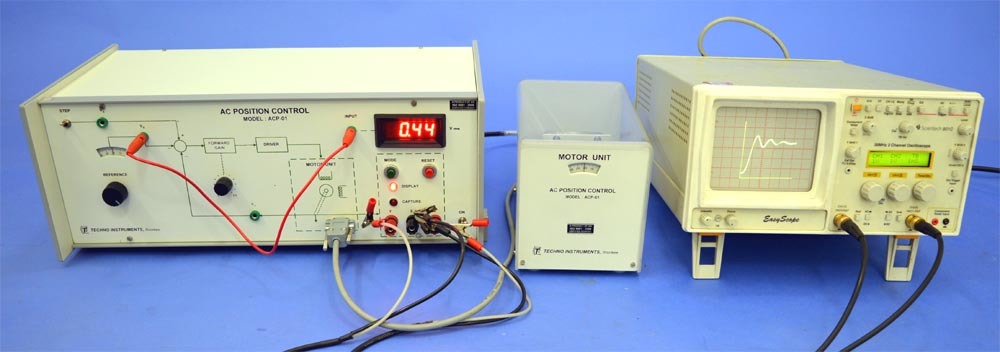
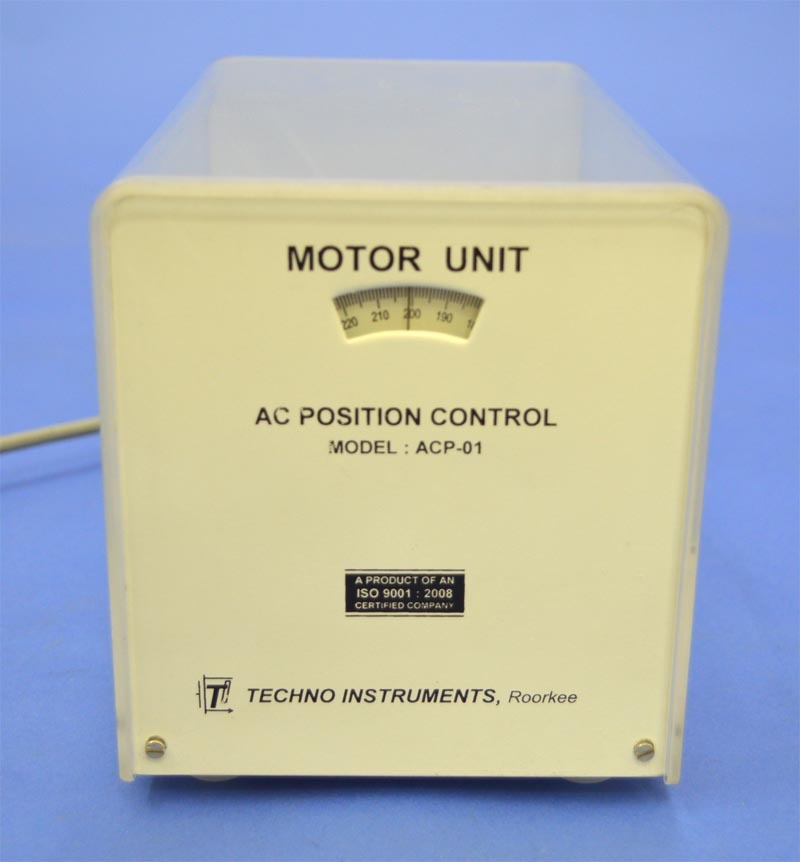
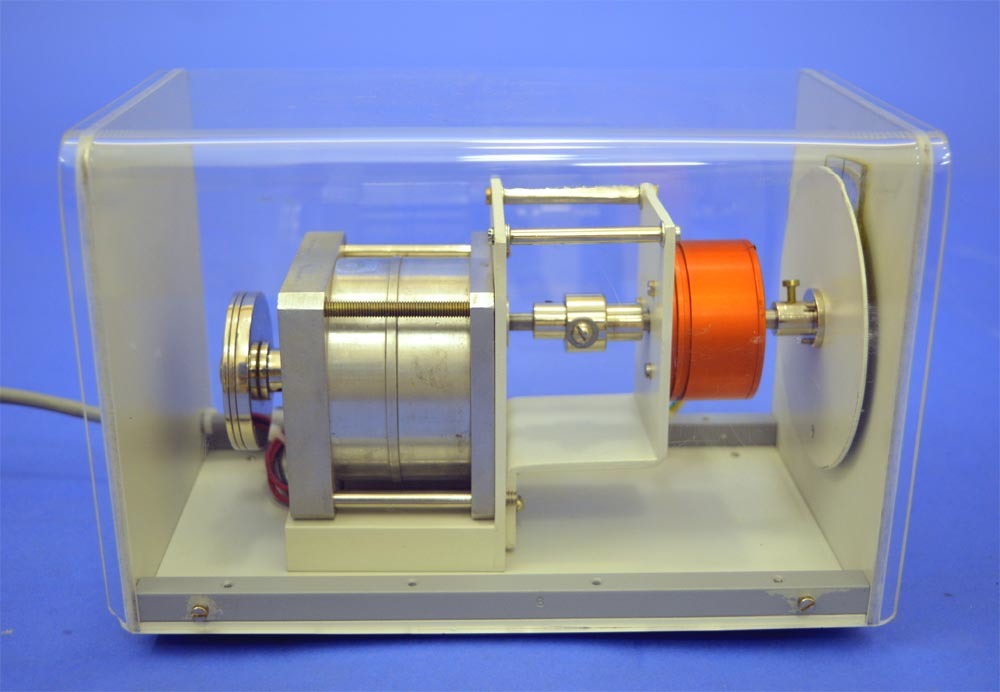
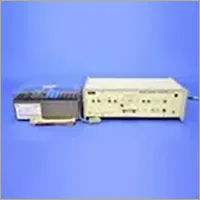
A.C. Position Control, ACP-01
Product Details:
- Material Electronics
- Usage Control Laboratory Experiment
- Weight 20 Kg Kilograms (kg)
- Color Grey
- Application Control Laboratory Experiment
- Type Control Lab Trainer
- Display Type Digital
- Click to View more
X
A.C. Position Control, ACP-01 Price And Quantity
- 1 , , Set
A.C. Position Control, ACP-01 Product Specifications
- Electronics
- Digital
- Control Laboratory Experiment
- Control Lab Trainer
- Grey
- 20 Kg Kilograms (kg)
- Control Laboratory Experiment
A.C. Position Control, ACP-01 Trade Information
- Cash Against Delivery (CAD), Cash on Delivery (COD), Telegraphic Transfer (T/T), Delivery Point (DP), Cash in Advance (CID), Cheque, Cash Advance (CA)
- 100 , , Set Per Month
- 1 Week
- Contact us for information regarding our sample policy
- Complete in all respect
- Asia, Australia, Central America, North America, South America, Eastern Europe, Western Europe, Middle East, Africa
- All India
- ISO 9001: 2015 CE
Product Description
For our valued clients, we are offering equipment to regulate A.C. Position Controls. The offered is generally used in laboratory experiments for position/ speed control applications especially in light weight, precision instrumentation area in airborne systems. We manufacture the offered range utilizing cutting-edge technology to keep pace with defined quality standard. Furthermore, the entire range is tested properly under the eyes of our quality analysts ensuring flawlessness.
Highlights of Equipment:
- 2-phase A.C. Servomotor
- Servo Potentiometer for position sensing
- Transient response capture/display
- n-built rms voltmeter on panel
Experiments:
- Error detector characteristics, phase reversal
- Amplifier gain measurement
- Phase difference between control and reference windings
- Step response study
Features and Specifications
- 2-phase servomotor 12 volt/phase, 50Hz, 10 watt
- Power amplifier for driving
- Servo potentiometer type error detector
- In-built 10.00 volt (rms) panel meter
- Step response capture/display card
- Detailed literature with typical results included
- Complete unit except a measuring CRO
- 220 volts, 50 Hz mains operation
Advanced Laboratory Instrumentation
Engineered for precision, the ACP-01 offers advanced position control functions, vital for accurate laboratory experimentation. The trainer's digital display enhances clarity, while its sturdy build guarantees durability even with frequent use. Its role is pivotal in ensuring high-quality results in control system experiments.
Versatility and Application
This control lab trainer is tailored for various laboratory experiments involving position control. Its versatility makes it ideal for both educational demonstrations and practical assessments in electronic and control labs. The ACP-01 simplifies complex processes, benefiting students and researchers alike.
Exporter, Manufacturer, and Supplier in India
As a product exported, manufactured, and supplied from India, the ACP-01 meets global standards. Indian engineering expertise shines through its reliable performance and innovative features, serving a broad clientele across research, education, and industrial domains.
FAQ's of A.C. Position Control, ACP-01:
Q: How is the A.C. Position Control, ACP-01 used in laboratory experiments?
A: The ACP-01 is utilized to demonstrate and perform various position control experiments in a controlled laboratory environment. By adjusting its electronic components and monitoring the process through its digital display, users can analyze control system responses and fine-tune experimental parameters with ease.Q: What are the primary benefits of using this control lab trainer?
A: Using the ACP-01 offers precision in position control experiments, enhances learning experiences in control labs, and provides reliable data due to its robust design and digital interface. It streamlines complex experimental setups, fostering efficient and in-depth research.Q: When is it appropriate to integrate ACP-01 into laboratory work?
A: The ACP-01 should be incorporated when precise position control experiments are required, particularly in educational and research laboratories focused on electronics and control systems. Its application is most beneficial during formative assessments and advanced investigations.Q: Where is the ACP-01 typically installed or used?
A: This control lab trainer is mainly deployed in control laboratories of educational institutions, research facilities, and technical institutes. Its portable design allows for easy setup on laboratory benches or dedicated experiment areas.Q: What is the process for operating the ACP-01 control trainer?
A: To operate the ACP-01, users connect the system to relevant electronic modules, calibrate the controls, and utilize the digital display for observation. The equipment guides users through experiment protocols, allowing for manual and automated position adjustments.Q: Who benefits most from the ACP-01 in a laboratory setting?
A: Students, educators, and researchers in the field of electronics and control systems reap the most benefits, gaining hands-on experience and precise experimental outcomes. Manufacturers and suppliers also value its reliability and export potential.Q: Why choose the ACP-01 manufactured in India for laboratory experiments?
A: Selecting the ACP-01 from an Indian manufacturer assures quality, innovation, and competitive pricing. Backed by robust engineering and advanced electronics, it meets international standards, making it an attractive choice for global laboratories.Tell us about your requirement

Price:
Quantity
Select Unit
- 50
- 100
- 200
- 250
- 500
- 1000+
Additional detail
Mobile number
Email

Other Products in 'Control Laboratory Experiments' category


Contact Details

- Building 452, Adarsh Nagar,Roorkee - 247667, Uttarakhand, India
- Phone : 07313725920

- Mr Ravi Prakash (Director)
- Mobile :07313725920
- Send Inquiry
- Landline : 91-1332-277118/ 272852
Direct No. :09837072750
 Send Inquiry
 Send Inquiry
 Send SMS
 Call Me Free
SES INSTRUMENTS PVT. LTD.
All Rights Reserved.(Terms of Use)
Developed and Managed by Infocom Network Private Limited.
Developed and Managed by Infocom Network Private Limited.

