 English
 Spanish
 French
 German
 Italian
 Chinese (Simplified)
 Japanese
 Korean
 Arabic
 Portuguese
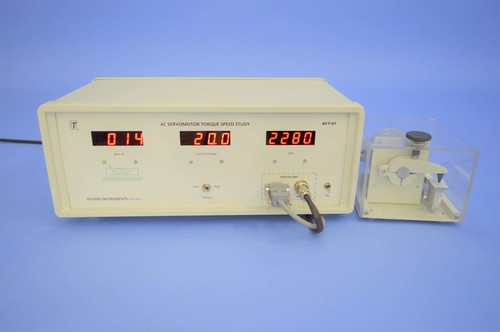
AC Motor Torque Speed Study, ACT-01
Product Details:
- Application Laboratory use
- Usage Laboratory use
- Weight 20 Kg Kilograms (kg)
- Color Grey
- Material Electronics
- Type Control Lab Trainer
- Display Type Digital
- Click to View more
AC Motor Torque Speed Study, ACT-01 Price And Quantity
- 1 Set
AC Motor Torque Speed Study, ACT-01 Product Specifications
- Electronics
- Grey
- Control Lab Trainer
- 20 Kg Kilograms (kg)
- Laboratory use
- Digital
- Laboratory use
AC Motor Torque Speed Study, ACT-01 Trade Information
- Cash on Delivery (COD), Delivery Point (DP), Cash Against Delivery (CAD), Telegraphic Transfer (T/T), Cash in Advance (CID), Cheque, Cash Advance (CA)
- 100 Set Per Month
- 1 Week
- Contact us for information regarding our sample policy
- Complete in all respect
- Asia, Australia, Central America, North America, South America, Eastern Europe, Western Europe, Middle East, Africa
- All India
- ISO 9001:2015 CE
Product Description
Introduction:
AC Servomotors are useful in a large range of control applications at low power levels. These are basically 2-phase squirrel cage induction motors with a high resistance rotor. A basic advantage of these motors is their small size and free movement due to the absence of any commutator and brushes as in dc motors.
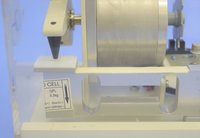
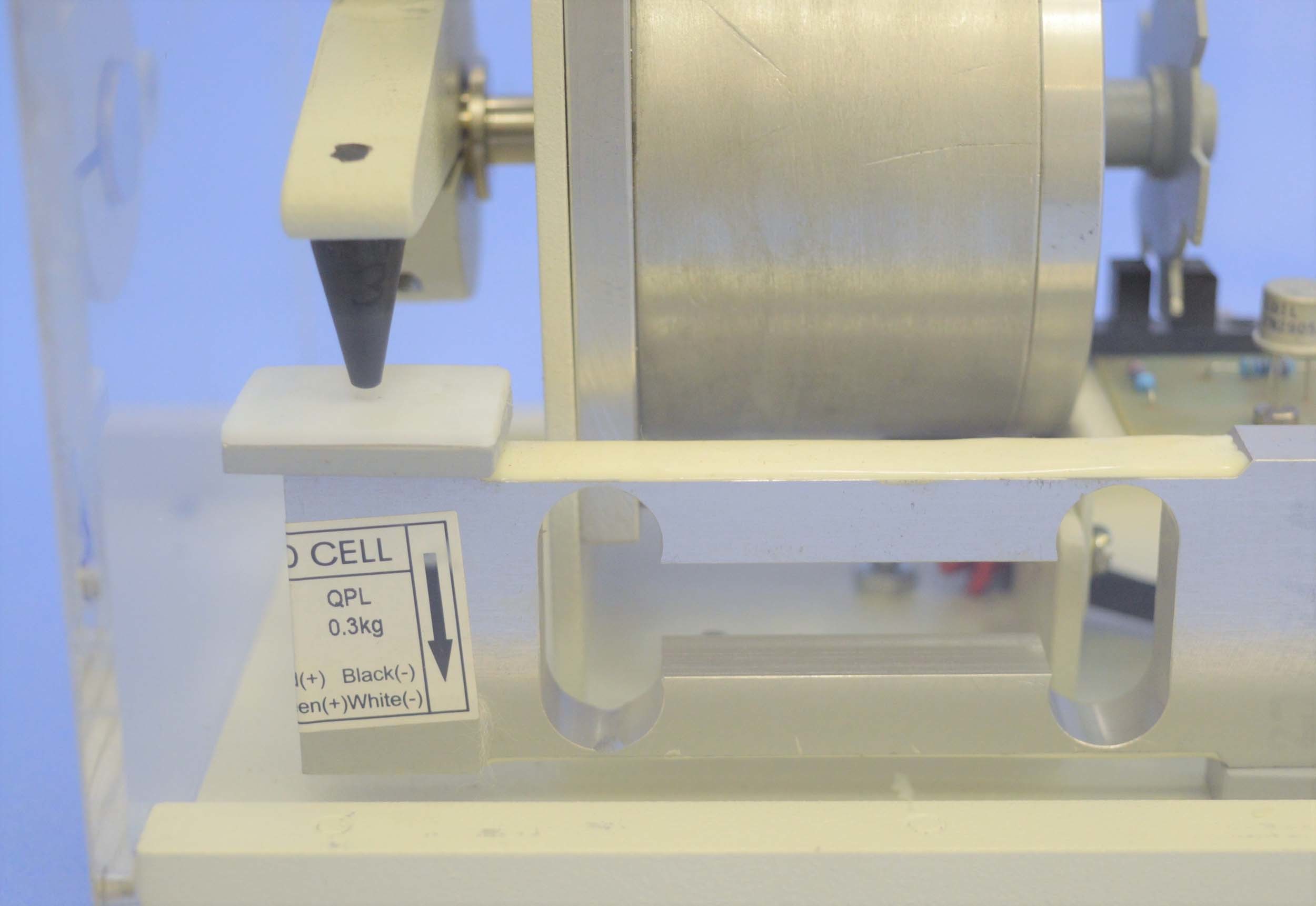
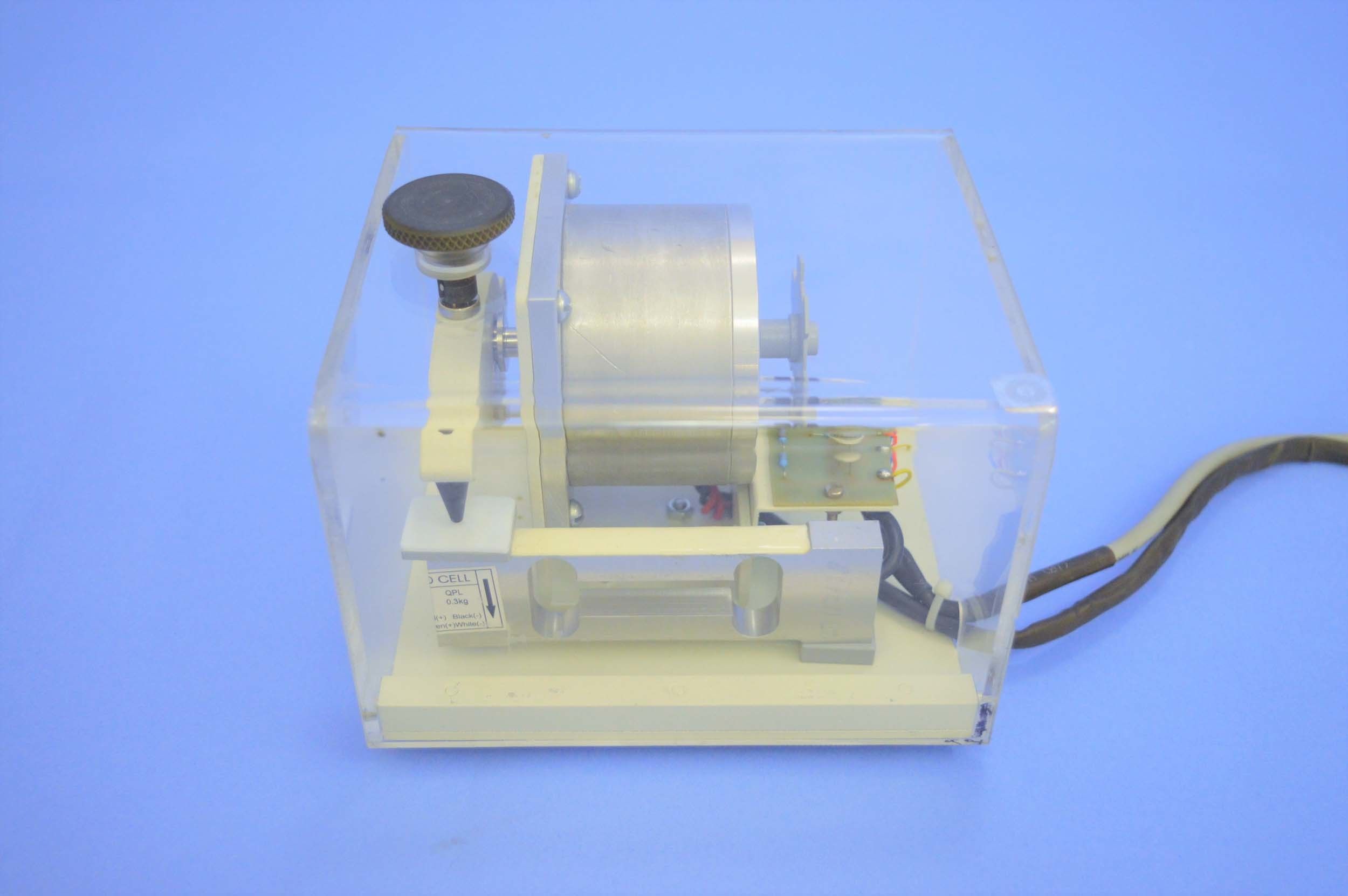
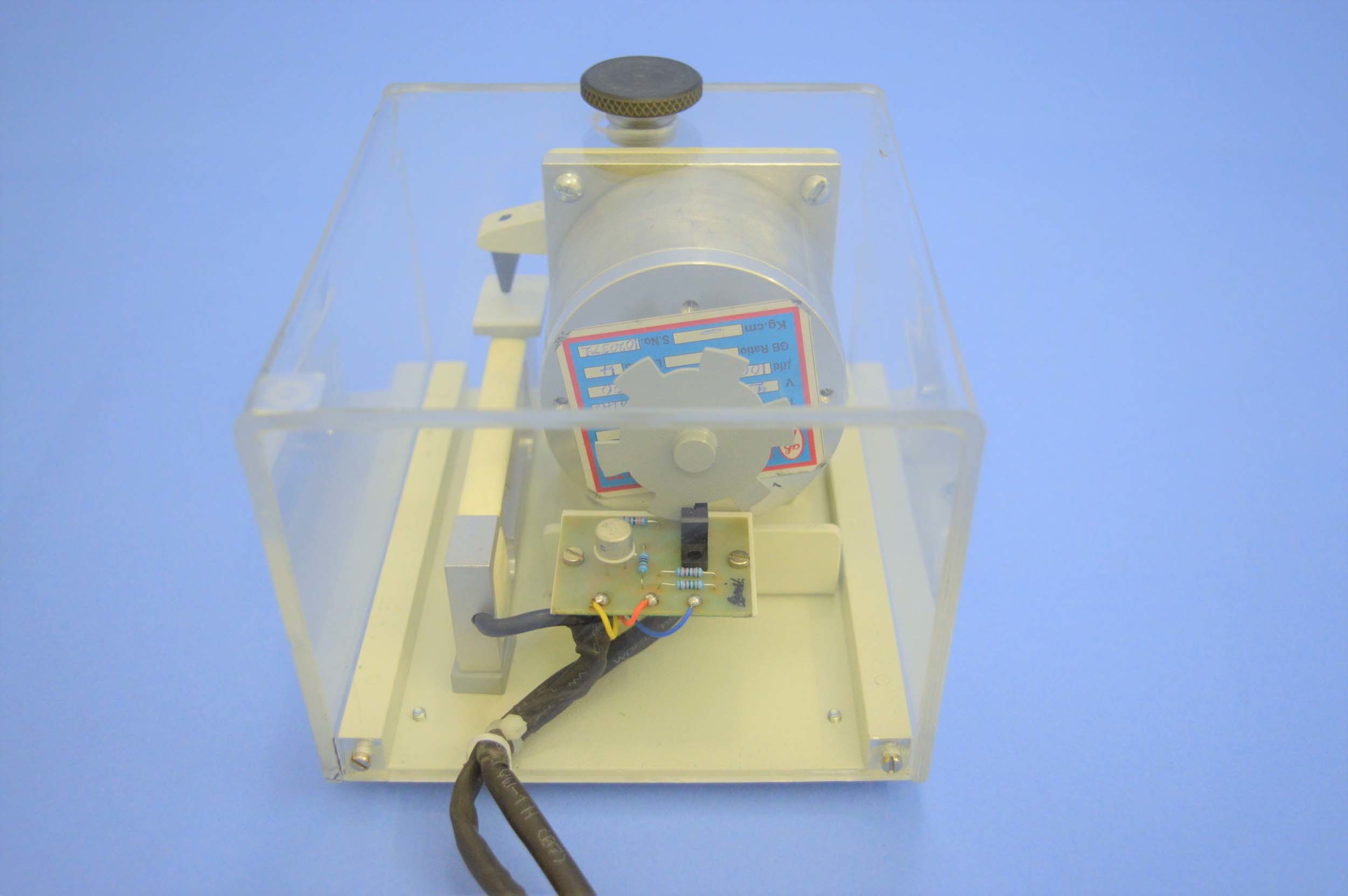
The present unit is designed to study the torque speed characteristics of the motor by mechanically loading it with the help of an adjustable friction grip and recording the torque in terms of the force exerted on a load cell. Load cell output is then processed by a well-designed instrumentation amplifier and displayed in gm-cm. Shaft speed of the motor is picked up by a slotted disc/opto-interrupter pair and displayed in rpm.
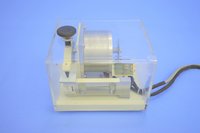
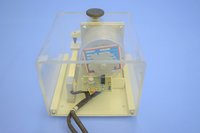
Main unit has all the necessary circuits and meters while the motor unit, housed in a transparent box, displays the mechanical arrangements.
Experiments
- Torque-speed characteristics by mechanical loading
- Electrical power input at various loads
- Torque constant, speed regulation and efficiency determination
Features and Specifications
- Study of a 12V, 0.5A permanent magnet dc motor
- Friction grip type (Prony Brake) adjustable loading arrangement
- Load cell based force measurement with 3-digit display
- 4-digit speed display in rpm
- Volt/Ampere motor power readout on DPM
- Supporting user manual with all details of the experiment
- Compact unit with no additional accessories required
Accurate Laboratory Insights
The ACT-01 trainer enables comprehensive analysis of AC motor torque and speed relationships, making it invaluable for engineering studies. Its digital display facilitates clearer readings, while robust construction ensures lasting performance in frequent experimental setups in laboratories.
User-Friendly and Durable Design
Designed specifically for educational and research applications, the ACT-01's grey enclosure and electronic control components are easy to maintain and resist everyday lab wear. Its manageable 20 kg weight allows for straightforward setup and repositioning.
FAQ's of AC Motor Torque Speed Study, ACT-01:
Q: How is the ACT-01 AC Motor Torque Speed Study trainer used in a laboratory setting?
A: The ACT-01 is employed for demonstrating and analyzing the relationship between torque and speed in AC motors. Users connect the motor, set up the required parameters, and observe digital readings throughout various experiments, making it highly effective for teaching and research purposes.Q: What are the main benefits of using this control lab trainer in educational institutions?
A: The ACT-01 provides hands-on experience with real motor systems, allowing students to better grasp theoretical concepts. Its precise digital display and reliable construction also help deliver consistent experimental results, enhancing the overall learning process.Q: When is it appropriate to use the ACT-01 in a laboratory?
A: The ACT-01 should be used during laboratory sessions focused on electrical machines, motor performance, and control systems. It is especially beneficial when practical demonstration of torque-speed characteristics is required.Q: Where can the ACT-01 trainer be sourced from?
A: This trainer is manufactured, supplied, and exported by established companies in India. It can be ordered directly from the manufacturer or through authorized suppliers and exporters specializing in laboratory equipment.Q: What is the process for operating the AC Motor Torque Speed Study, ACT-01?
A: To operate the ACT-01, set up the device on a stable laboratory bench, connect the AC motor, and follow calibrated procedures provided in the manual. Adjust settings digitally to perform torque-speed experiments, while monitoring results on the digital display.Q: Who benefits most from the AC Motor Torque Speed Study trainer?
A: Students, instructors, and laboratory technicians in electrical and mechanical engineering fields benefit significantly, as the trainer enhances understanding of motor dynamics through direct experimentation and analysis.
Price:
- 50
- 100
- 200
- 250
- 500
- 1000+

Other Products in 'Control Laboratory Experiments' category


- Building 452, Adarsh Nagar,Roorkee - 247667, Uttarakhand, India
- Phone : 07313725920

- Mr Ravi Prakash (Director)
- Mobile :07313725920
- Send Inquiry
- Landline : 91-1332-277118/ 272852
Direct No. :+919837072750
 Send Inquiry
 Send Inquiry
 Send SMS
 Call Me Free
Developed and Managed by Infocom Network Private Limited.

