 English
 Spanish
 French
 German
 Italian
 Chinese (Simplified)
 Japanese
 Korean
 Arabic
 Portuguese
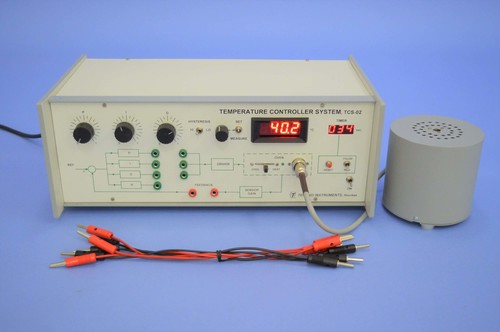
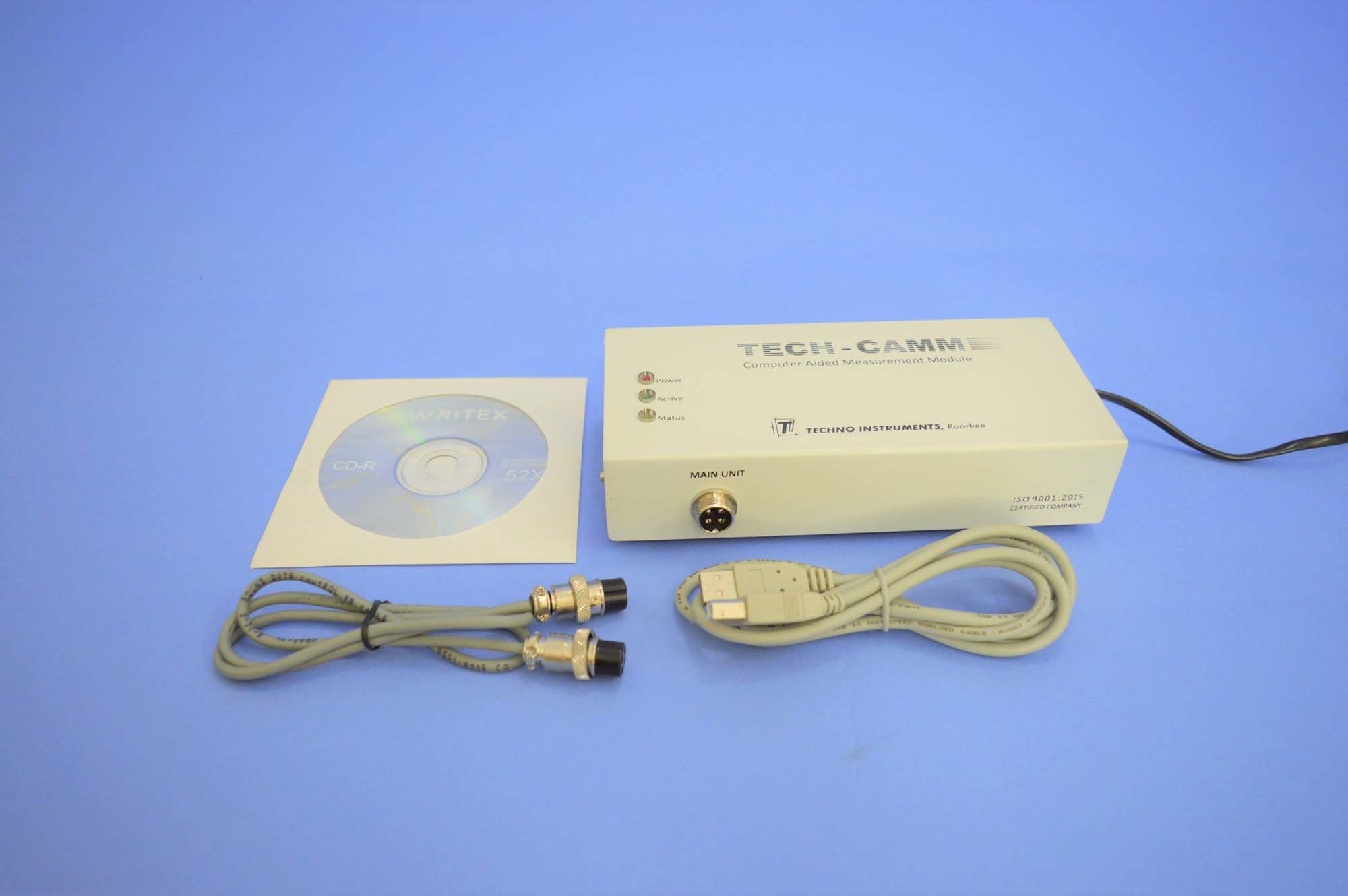
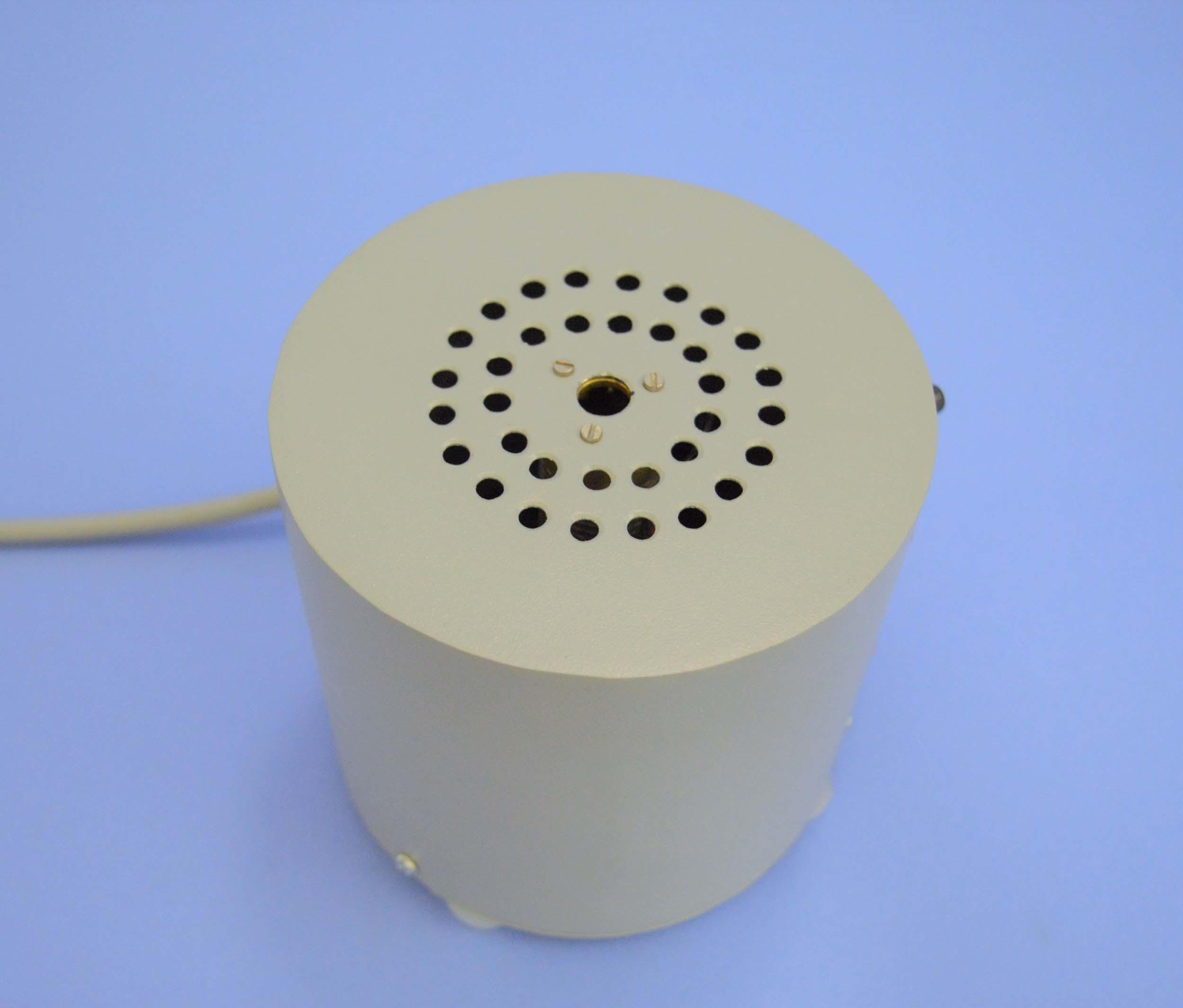
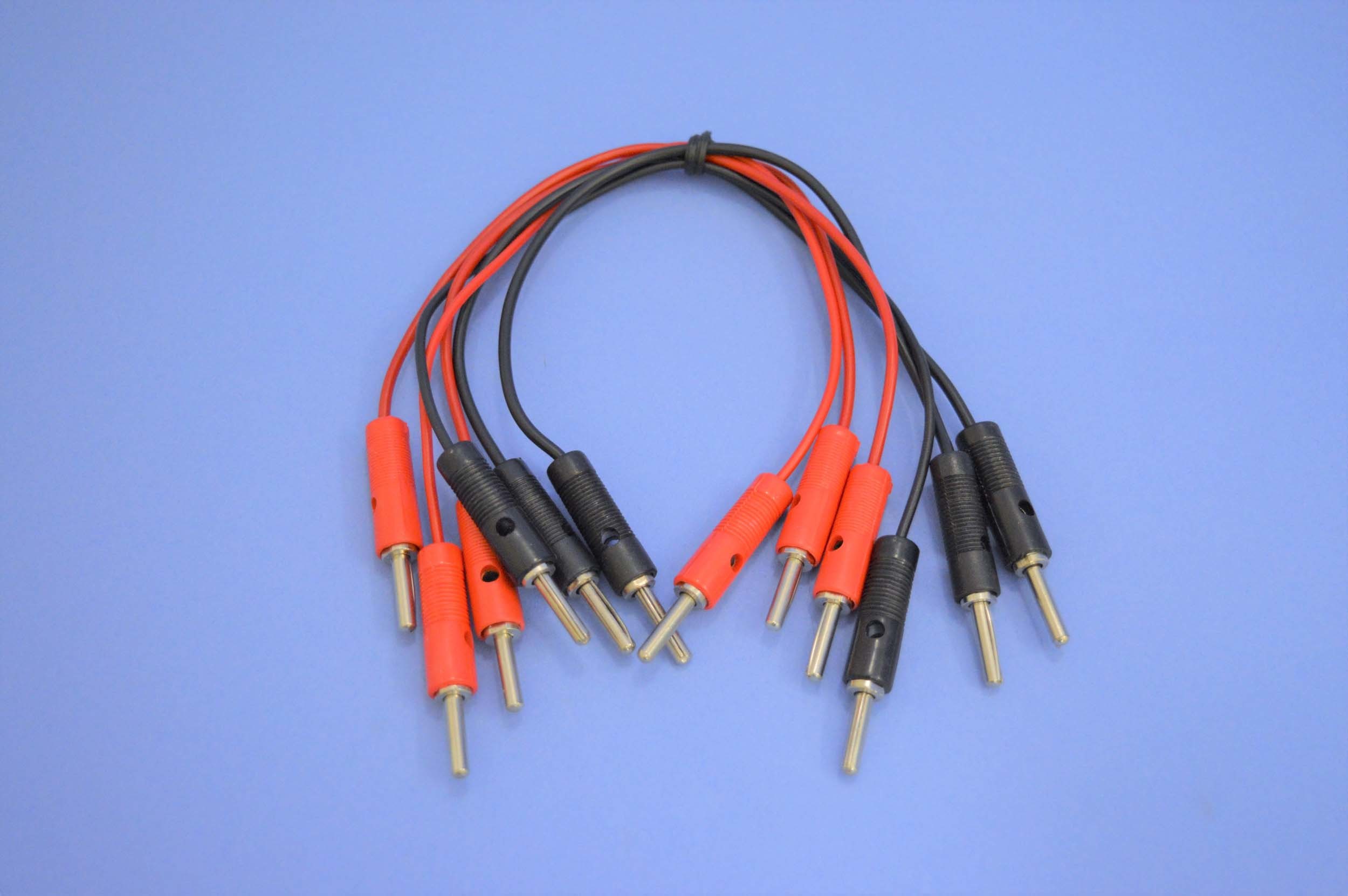
Temperature control System, TCS-302
Product Details:
- Usage Control Lab Trainer
- Material Electronics
- Weight 20 Kg Kilograms (kg)
- Application Control Lab Trainer
- Color Grey
- Type Control Lab Trainer
- Display Type Digital
- Click to View more
Temperature control System, TCS-302 Price And Quantity
- 1 Set
Temperature control System, TCS-302 Product Specifications
- Control Lab Trainer
- Control Lab Trainer
- Grey
- Digital
- 20 Kg Kilograms (kg)
- Electronics
- Control Lab Trainer
Temperature control System, TCS-302 Trade Information
- Cash Against Delivery (CAD), Cash on Delivery (COD), Cash Advance (CA), Cash in Advance (CID), Cheque, Delivery Point (DP), Telegraphic Transfer (T/T)
- 100 Set Per Month
- 1 Week
- Contact us for information regarding our sample policy
- Complete in all respect
- Asia, Australia, Central America, North America, South America, Eastern Europe, Western Europe, Middle East, Africa
- All India
- ISO 9001: 2015 CE
Product Description
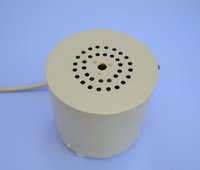
Temperature control is an important application of control theory to industrial processes. This experiment has been designed to expose the students to such a practical control system, its various stages for control, and the tuning of a PID controller. The process consists of a small and fast responding oven which can be controlled in the temperature range from ambient to about 90oC. Temperature readings may be taken manually on a 3 digit meter, mounted on the main unit, at regular intervals. A built-in digital timer having START, STOP and PAUSE switches on the panel makes the conduct of an experiment very simple. This design of the oven avoids expensive accessories like an X-Y recorder for conducting the experiment. A forced cooling arrangement has been provided to bring the oven temperature down to room temperature after every experiment. Since the oven may be cooled to the ambient relatively speedily, a number of cycles of experimentation are possible in the usual laboratory hours.
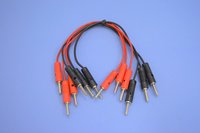
The oven is connected to the main unit through a four pin connector, two for the sensor output and the others for controller output to the heater. The main unit has provisions for configuring any type of controller such as P, PI, PD, PID or ON-OFF, and has potentiometer controls for PID coefficient settings. All supplies and metering system are built-in and no accessories are required. Open loop response of the oven is obtained by applying a step command with feedback disconnected. Temperature readings are noted and the plot so obtained provides the characteristics of the oven, i.e., its time constant and time delay.
The simplest form of controller is a relay which switches the oven ON and OFF. Presence of hysteresis is essential for avoiding excessive relay switching, of course at the cost of accuracy. The performance is studied here for the two hysteresis settings of the built- in electronic relay.
PID controllers may be set or tuned by many different methods. In this experiment the design method of Ziegler- Nichol is suggested for setting the coefficient potentiometers and the resulting response curve is studied. Other methods may also be used equally easily.
The literature accompanying the unit describes in detail the mathematical concepts, procedure for experiments and a few test results. A number of additional experiments may also be planned by the teacher using books and literature on this subject which is suggested in the references given.
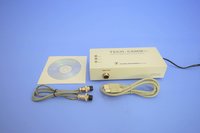
All the above experiments may also be conducted on a PC through MATLAB using our optional interfacing accessory available along with the necessary literature.
Cutting-Edge Digital Display
The TCS-302 comes equipped with a digital display that offers accurate, real-time monitoring of temperature levels. This feature allows users to observe fluctuations and setpoints with clarity, making it an ideal choice for detailed demonstrations and experiments in control labs.
Durable and Reliable Construction
Constructed from high-quality electronic materials, the TCS-302 is built to withstand frequent handling in busy lab environments. Its robust design ensures longevity and consistent performance, lending itself well to repeated academic or research applications.
Optimized for Educational Use
Specially designed as a control lab trainer, the TCS-302 enables hands-on learning experiences. It helps students and researchers explore the dynamics of temperature control systems, making complex concepts more accessible and interactive.
FAQ's of Temperature control System, TCS-302:
Q: How is the TCS-302 Temperature Control System operated in a lab setting?
A: The TCS-302 is user-friendly and operates via a digital interface. Users can set target temperatures, monitor current readings on the digital display, and observe system responses to control actions. Its intuitive controls make it suitable for both teaching and experimental research.Q: What are the key benefits of using the TCS-302 for control lab training?
A: The TCS-302 offers precise temperature regulation, clear real-time feedback through its digital display, and robust construction. These features enhance hands-on learning, making temperature control concepts tangible for students and facilitating reliable experimental outcomes for researchers.Q: When should I use the TCS-302 Temperature Control System?
A: The TCS-302 is ideal for use during laboratory sessions focused on temperature regulation, control system theory, and practical demonstrations. It helps illustrate feedback principles, response times, and control accuracy in a controlled environment.Q: Where is the TCS-302 manufactured and supplied from?
A: The TCS-302 is manufactured and supplied in India, serving customers domestically as well as internationally as an exporter, manufacturer, and supplier.Q: What is the recommended process for setting up the TCS-302 in a control lab?
A: To set up the TCS-302, position the unit on a stable surface, connect it to a compatible power source, and follow initial calibration instructions provided in the manual. The digital interface guides you through temperature set-up and operational procedures.Q: Who can benefit from using the TCS-302 lab trainer?
A: Students, educators, and researchers in engineering, physics, and applied sciences benefit from the hands-on demonstrations and real-time data the TCS-302 provides, enhancing both learning outcomes and research capabilities.
Price:
- 50
- 100
- 200
- 250
- 500
- 1000+

Other Products in 'Control Laboratory Experiments' category




- Building 452, Adarsh Nagar,Roorkee - 247667, Uttarakhand, India
- Phone : 07313725920

- Mr Ravi Prakash (Director)
- Mobile :07313725920
- Send Inquiry
- Landline : 91-1332-277118/ 272852
Direct No. :+919837072750
 Send Inquiry
 Send Inquiry
 Send SMS
 Call Me Free
Developed and Managed by Infocom Network Private Limited.

