 English
 Spanish
 French
 German
 Italian
 Chinese (Simplified)
 Japanese
 Korean
 Arabic
 Portuguese
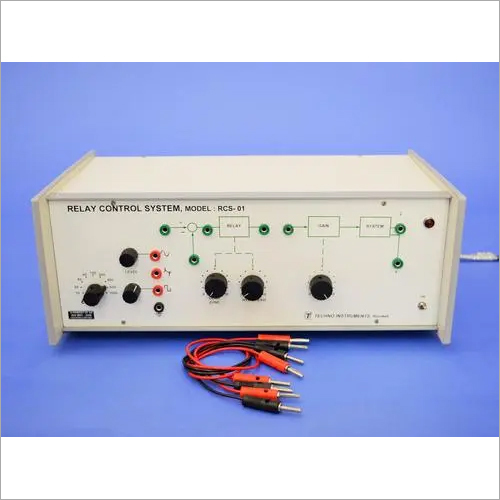
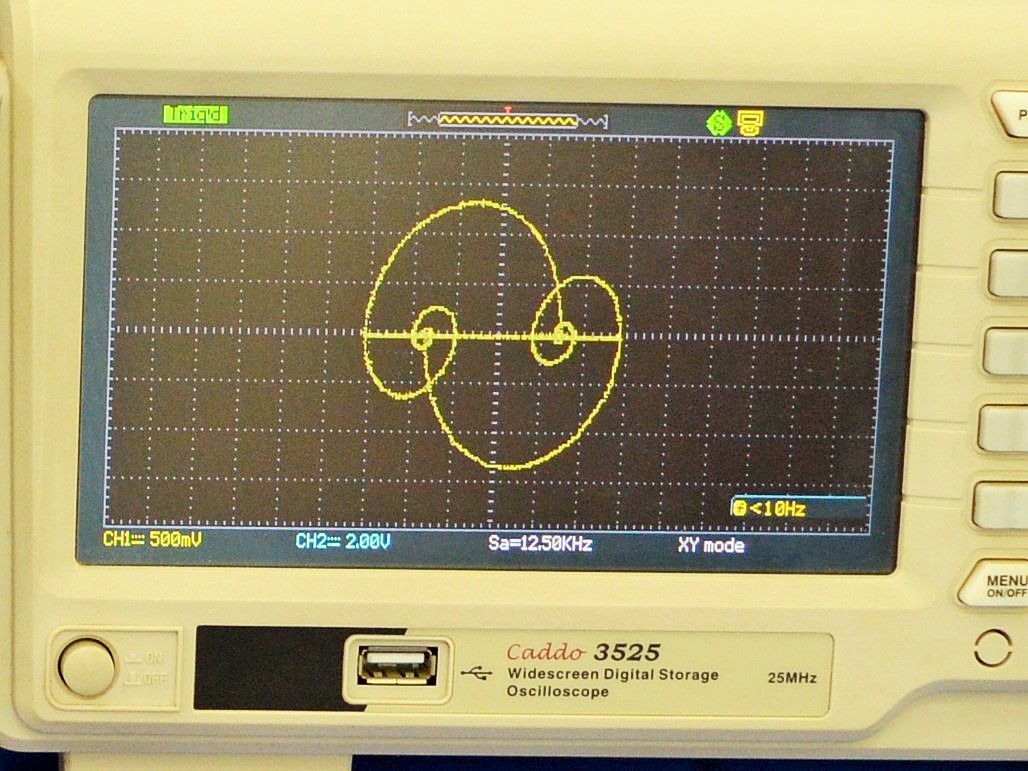
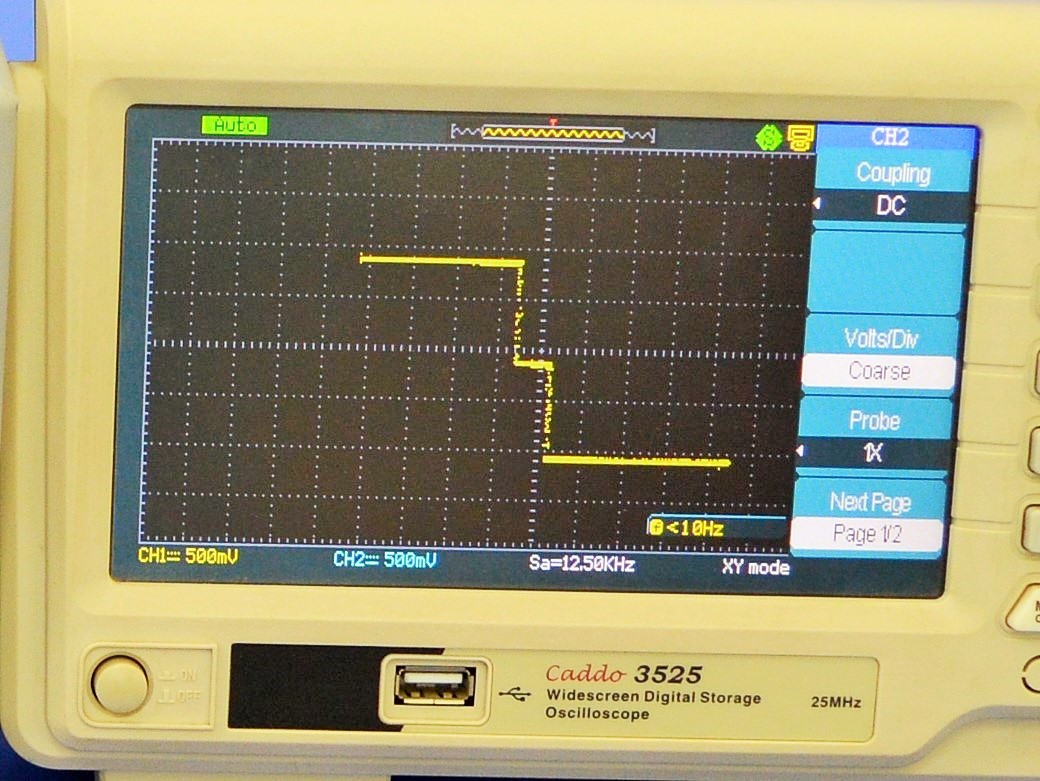
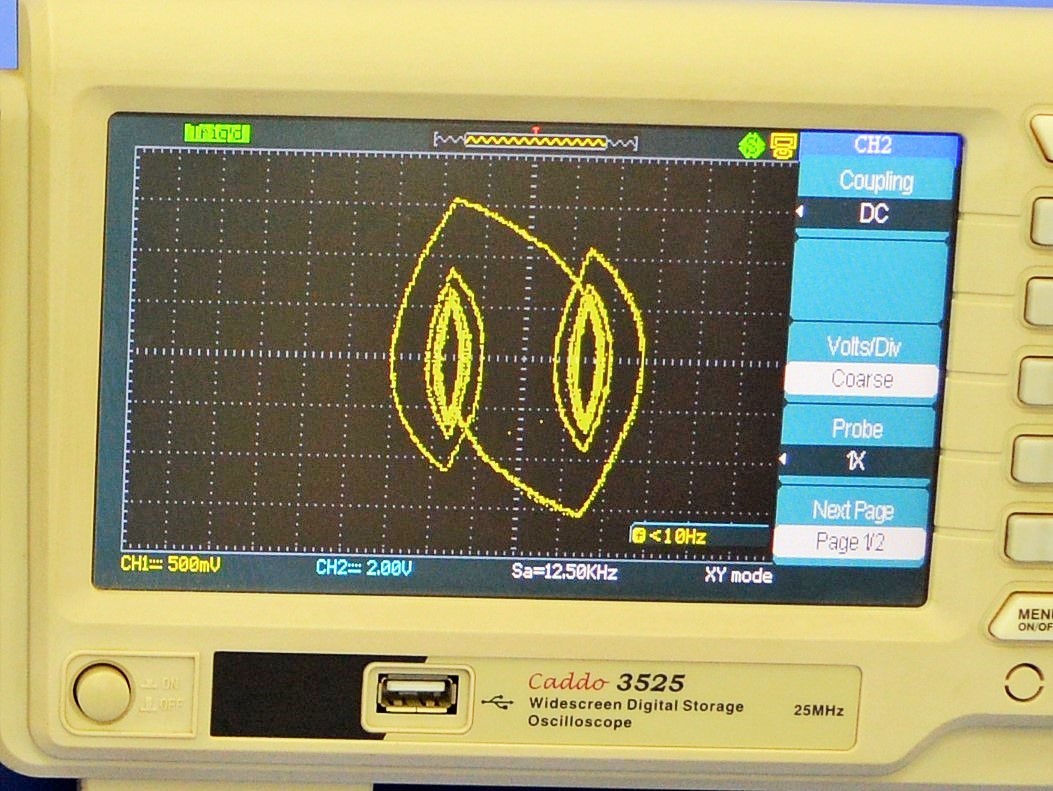
Relay Control System, Rcs-01
Product Details:
- Application Control Laboratory Experiment
- Color Grey
- Weight 20 Kg Kilograms (kg)
- Usage Control Laboratory Experiment
- Material Electronics
- Type Control Lab Trainer
- Display Type Digital
- Click to View more
X
Relay Control System, Rcs-01 Price And Quantity
- 1 , , Piece
Relay Control System, Rcs-01 Product Specifications
- Grey
- 20 Kg Kilograms (kg)
- Control Laboratory Experiment
- Control Laboratory Experiment
- Electronics
- Digital
- Control Lab Trainer
Relay Control System, Rcs-01 Trade Information
- Delivery Point (DP), Cash on Delivery (COD), Cash Against Delivery (CAD), Telegraphic Transfer (T/T), Cash in Advance (CID), Cheque, Cash Advance (CA)
- 100 , , Piece Per Month
- 1 Week
- Contact us for information regarding our sample policy
- Complete in all respect
- Asia, Australia, Central America, North America, South America, Eastern Europe, Western Europe, Middle East, Africa
- All India
- ISO 9001: 2015 CE
Product Description
Relay Control System, Rcs-01
We offer Relay Control System use full for control labs. In the present unit a simulated second order system is controlled by an electronic relay. Apart from a study of the relay characteristics the experiment introduces the concept of Describing Function. Finally the phase plane method of analysis is covered in detail where the switching trajectories can be displayed on an X-Y oscilloscope.
Highlights:
- System with electronic relay
- Adjustable hysteresis and dead zone
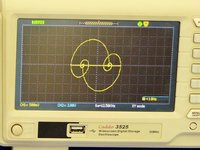
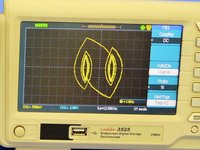
- Display phase plane diagram on CRO
- Stability study by describing function method
Experiments:
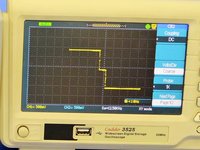
- Study of the relay characteristics and display of the same on CRO for different values of hysteresis and dead zones.
- Study of the effect of hysteresis on system stability. Graphical analysis to predict sustained oscillations.
- Phase plane analysis of relay control system for various values of Hysteresis and Dead Zones. View the trajectory for different hysteresis and dead zone.
Features and Specifications:
- Simulated electronic relay using high speed ICs
- Simulated 2nd order linear plant. Facility for displaying x and x. signals
- Dead zone variable from 0-600mV
- Hysteresis variable from 0-500mV
- Built-in signal sources Sine and
- IC regulated internal power supplies
- Literature and patch cords included
- Accessory - a dual beam CRO
The experiment is complete in all respect, except a CRO.
Reliable Performance for Laboratories
The RCS-01 offers stable and precise control for a broad range of laboratory experiments. Crafted with premium electronics, it ensures accurate results and efficient operation during control system demonstrations, making it a favored addition to technical training environments.
User-Friendly Digital Interface
Equipped with a digital display, the Relay Control System enables straightforward monitoring and configuration. This feature aids users in swiftly observing output statuses and modifying parameters, thus streamlining the experimental process for educators and learners alike.
FAQs of Relay Control System, Rcs-01:
Q: How is the Relay Control System RCS-01 used in laboratory experiments?
A: The RCS-01 is primarily used to conduct and demonstrate control laboratory experiments by allowing students and engineers to simulate and analyze different relay logic and control system functionalities. Simply connect the trainer to your instrument setup and configure parameters via its digital interface.Q: What types of laboratory instruments are compatible with the RCS-01?
A: This system is compatible with a variety of laboratory instruments commonly used in control labs, such as sensors, actuators, and signal generators. It is ideal for educational settings and research purposes involving control theory.Q: When should I choose the RCS-01 for my laboratory?
A: Choose the RCS-01 when you require an efficient, easy-to-use trainer for teaching or researching control systems and relay logic. Its digital display and sturdy build make it suitable for frequent use in labs and educational institutes.Q: Where is the RCS-01 manufactured and supplied from?
A: The RCS-01 is manufactured, exported, and supplied from India. It is distributed to various educational and industrial institutions domestically and internationally.Q: What is the process for setting up and operating the RCS-01?
A: To set up the RCS-01, position the system on your lab bench, connect the necessary input and output devices, and use the digital controls to set experiment parameters. The systems intuitive interface ensures a straightforward setup and operation process.Q: How does the digital display enhance the usage of the RCS-01?
A: The built-in digital display allows users to clearly observe output values and statuses in real time. This facilitates quick monitoring, easier diagnostics, and accurate adjustments during experimental procedures.Q: What are the primary benefits of using the RCS-01 Control Lab Trainer?
A: The main benefits are its versatility in control experiments, durable construction, portability between 4 kg and 20 kg models, and user-friendly digital interface, making it an ideal solution for training, experimentation, and research in control systems.Tell us about your requirement

Price:
Quantity
Select Unit
- 50
- 100
- 200
- 250
- 500
- 1000+
Additional detail
Mobile number
Email

Other Products in 'Control Laboratory Experiments' category



Contact Details

- Building 452, Adarsh Nagar,Roorkee - 247667, Uttarakhand, India
- Phone : 07313725920

- Mr Ravi Prakash (Director)
- Mobile :07313725920
- Send Inquiry
- Landline : 91-1332-277118/ 272852
Direct No. :+919837072750
 Send Inquiry
 Send Inquiry
 Send SMS
 Call Me Free
SES INSTRUMENTS PVT. LTD.
All Rights Reserved.(Terms of Use)
Developed and Managed by Infocom Network Private Limited.
Developed and Managed by Infocom Network Private Limited.

