 English
 Spanish
 French
 German
 Italian
 Chinese (Simplified)
 Japanese
 Korean
 Arabic
 Portuguese
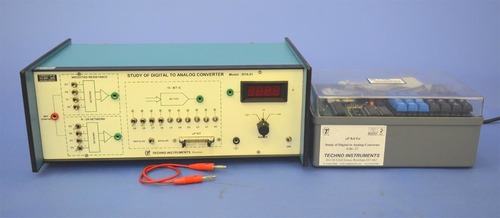
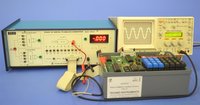
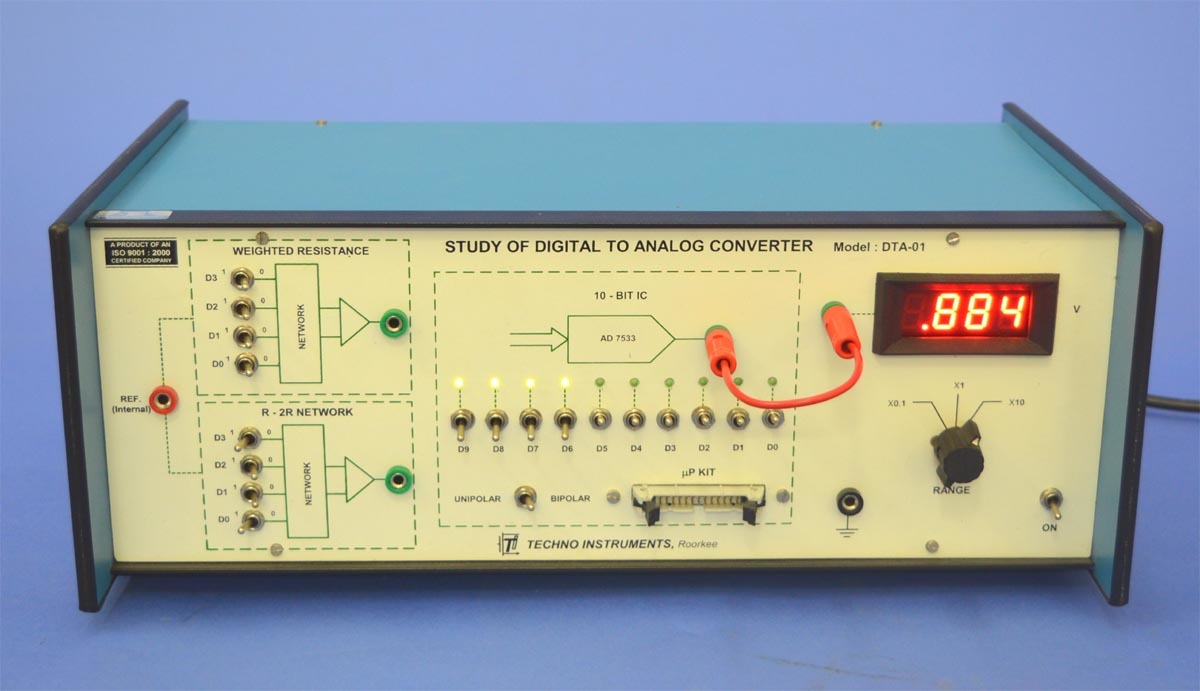
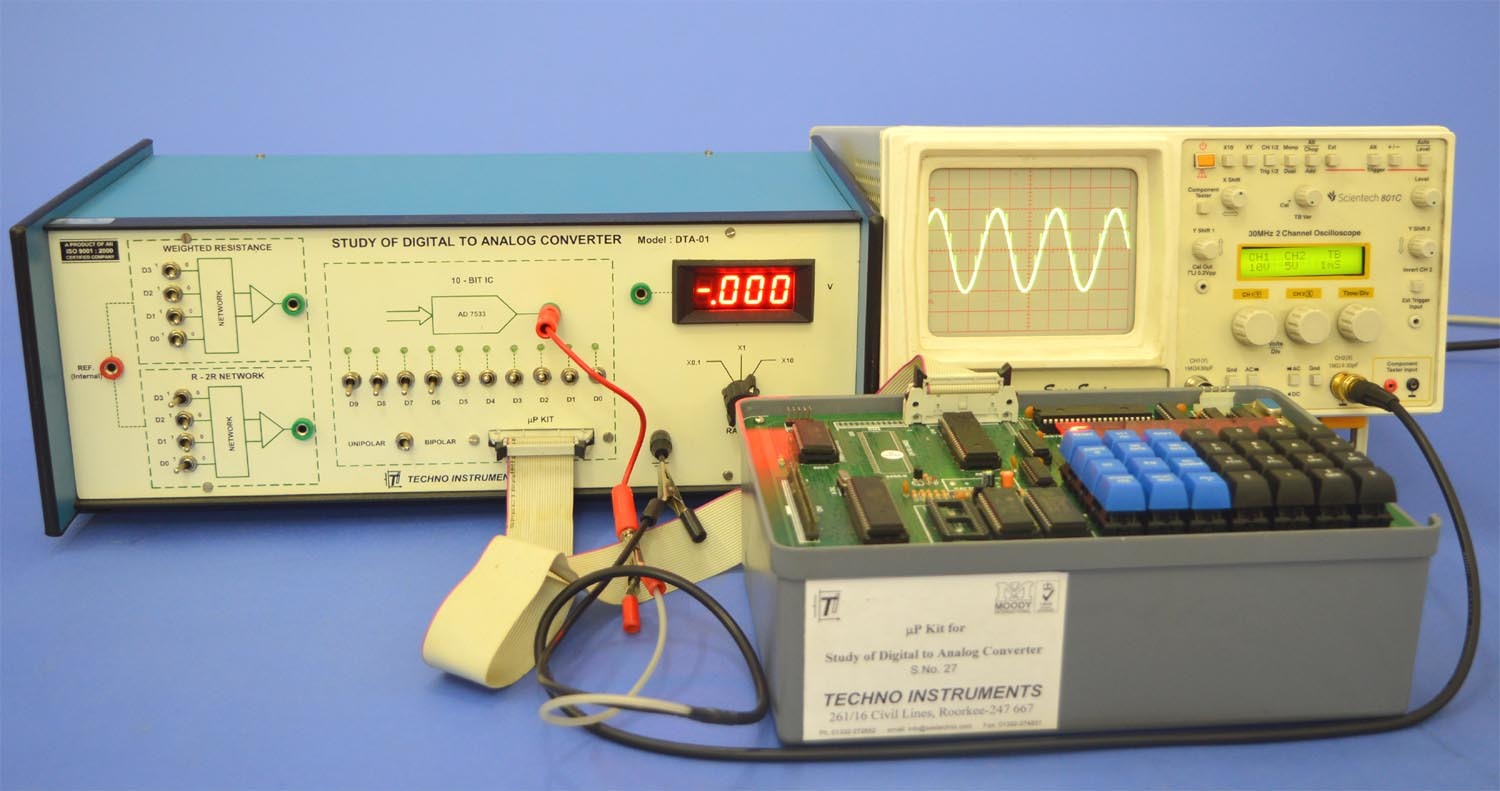
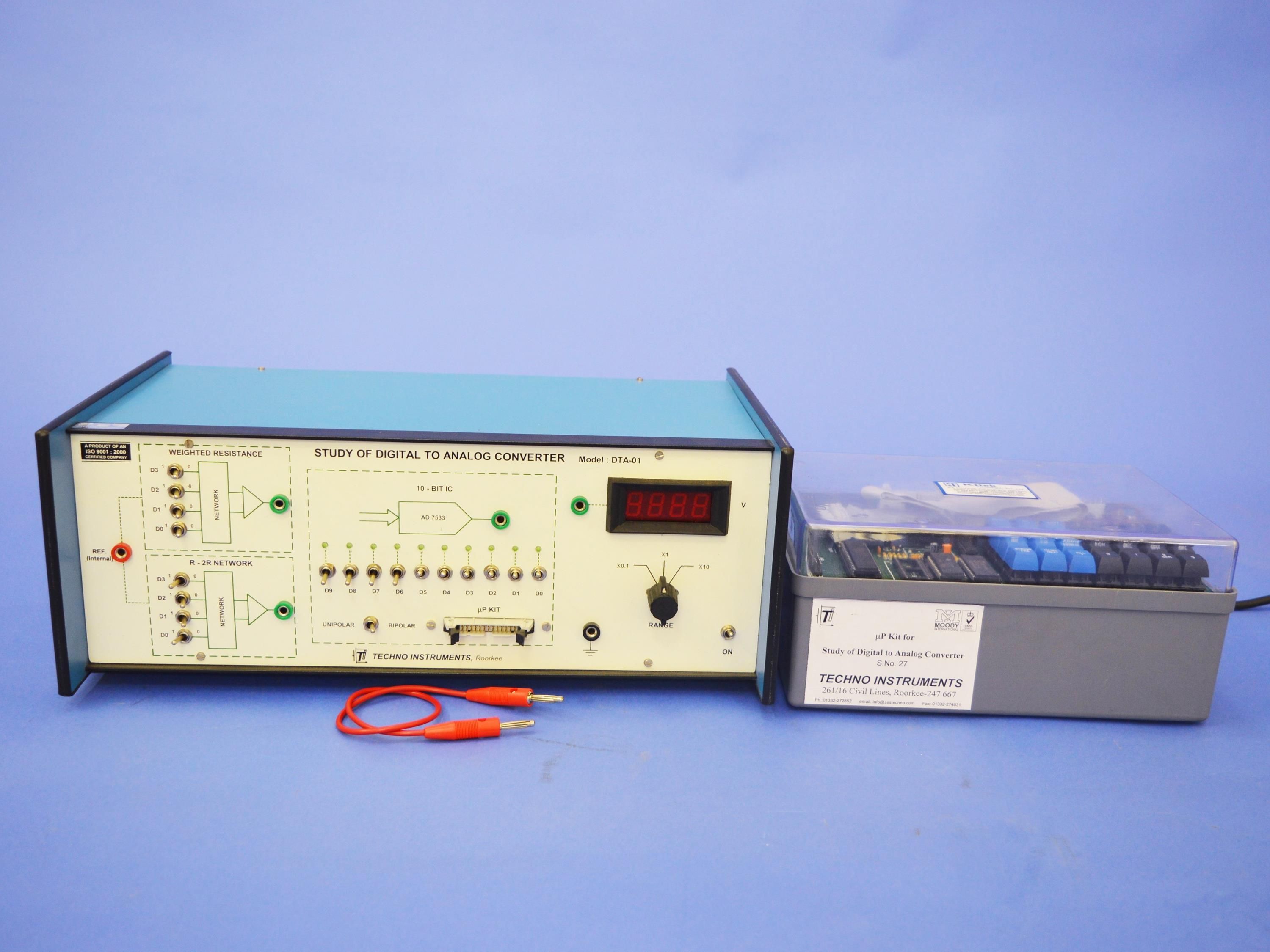
Study Of Digital-to-Analog Converter, DTA-01
Product Details:
- Application Control Laboratory Experiment
- Usage Control Laboratory Experiment
- Weight 20 Kg Kilograms (kg)
- Material Electronics
- Color Grey
- Type Control Lab Trainer
- Display Type Digital
- Click to View more
X
Study Of Digital-to-Analog Converter, DTA-01 Price And Quantity
- 1 , , Set
Study Of Digital-to-Analog Converter, DTA-01 Product Specifications
- Control Laboratory Experiment
- Control Laboratory Experiment
- 20 Kg Kilograms (kg)
- Digital
- Control Lab Trainer
- Electronics
- Grey
Study Of Digital-to-Analog Converter, DTA-01 Trade Information
- Cash on Delivery (COD), Cash Advance (CA), Delivery Point (DP), Telegraphic Transfer (T/T), Cash Against Delivery (CAD), Cash in Advance (CID), Cheque
- 100 , , Set Per Month
- 1 Week
- Contact us for information regarding our sample policy
- Complete in all respect
- Asia, Australia, Central America, North America, South America, Eastern Europe, Western Europe, Middle East, Africa
- All India
- ISO 9001: 2015 CE
Product Description
Study Of Digital-to-Analog Converter, DTA-01
With thorough understanding of the relevant industry, we are successfully engaged in offering a commendable range of Study of Digital-to-Analog Converters. Our offered range is capable of standing with defined quality standard as use superb quality components and highly advanced technology in manufacturing. Owing to features like longer service life and optimum performance, and easy installation, the offered converter has gained exceptional value among our valuable clients.
Highlights:
- Basic 4-bit weighted resistance
- 4-bit R-2R network module
- 10-bit IC Type AD7533 with mechanical switches
- Microprocessor interfaced 10-bit converter
Experiments:
- Study of the circuit diagram and performance of a 4-bit weighted resistance type D/A converter. The digital inputs are to be given by operating four mechanical switches.
- The above experiment is conducted on a 4-bit discrete component R-2R network based unit.
- Manual operation of a 10-bit IC D/A converter type AD7533 through 10 mechanical switches.
- Operation of the IC based circuit through the microprocessor kit provided. Some typical waveform generation exercises are suggested and solutions are provided. More problems can be attempted by the student with help from his supervisor.
Features and Specifications:
- Advanced Experiments-arbitrary waveform generation
- Panel Meter for all measurements
- A measuring CRO is needed for viewing the waves forms
Precision in Control Laboratory Experiments
The DTA-01 digital-to-analog converter is engineered for accuracy, making it ideal for conducting various control laboratory experiments. Its digital display ensures precise monitoring, while the device facilitates hands-on learning of digital-to-analog conversion concepts.
Designed for Professional Training and Education
With its sturdy build and intuitive layout, the DTA-01 is perfect for educational institutions and professional laboratories. It provides an engaging and practical method for understanding electronics and control system fundamentals.
FAQ's of Study Of Digital-to-Analog Converter, DTA-01:
Q: How is the DTA-01 digital-to-analog converter used in a control laboratory experiment?
A: The DTA-01 is connected to digital systems in a control laboratory to convert digital signals into analog outputs. This allows students and professionals to observe and analyze the behavior of electronic control systems in a practical setting.Q: What are the main benefits of using the DTA-01 for laboratory instruments?
A: The DTA-01 offers accurate digital-to-analog conversion, durable construction, and a clear digital display, enabling reliable results during experiments. Its design enhances learning experiences by turning theoretical principles into hands-on practice.Q: When should the DTA-01 be integrated into laboratory experiments?
A: The DTA-01 is best used when studying concepts of digital signal processing, control systems, and automation. It is especially beneficial during experimental sessions requiring precise conversion and monitoring of signals.Q: Where is the DTA-01 manufactured and available for supply?
A: The DTA-01 is manufactured, exported, and supplied from India. It is available for shipping to academic institutions, training centers, and industrial labs across domestic and international markets.Q: What is the process for setting up the DTA-01 in a laboratory environment?
A: To set up the DTA-01, connect it to the digital output of a control system, ensure all cables are securely attached, and use the digital display for adjusting and monitoring output signals. The intuitive interface makes installation straightforward.Q: What types of laboratory applications is the DTA-01 best suited for?
A: The DTA-01 is ideal for control laboratory experiments, electronics training modules, and any setup that requires observation or manipulation of digital-to-analog conversions in an educational or research setting.Q: How does the display type of the DTA-01 enhance its usability?
A: The digital display on the DTA-01 provides clear, real-time readings of output values, making it easier to interpret experimental results and adjust settings accurately during laboratory usage.Tell us about your requirement

Price:
Quantity
Select Unit
- 50
- 100
- 200
- 250
- 500
- 1000+
Additional detail
Mobile number
Email

Other Products in 'Control Laboratory Experiments' category



Contact Details

- Building 452, Adarsh Nagar,Roorkee - 247667, Uttarakhand, India
- Phone : 07313725920

- Mr Ravi Prakash (Director)
- Mobile :07313725920
- Send Inquiry
- Landline : 91-1332-277118/ 272852
Direct No. :+919837072750
 Send Inquiry
 Send Inquiry
 Send SMS
 Call Me Free
SES INSTRUMENTS PVT. LTD.
All Rights Reserved.(Terms of Use)
Developed and Managed by Infocom Network Private Limited.
Developed and Managed by Infocom Network Private Limited.

