 English
 Spanish
 French
 German
 Italian
 Chinese (Simplified)
 Japanese
 Korean
 Arabic
 Portuguese
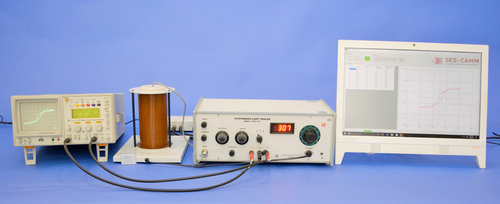

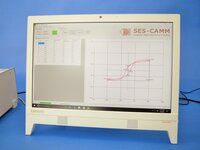
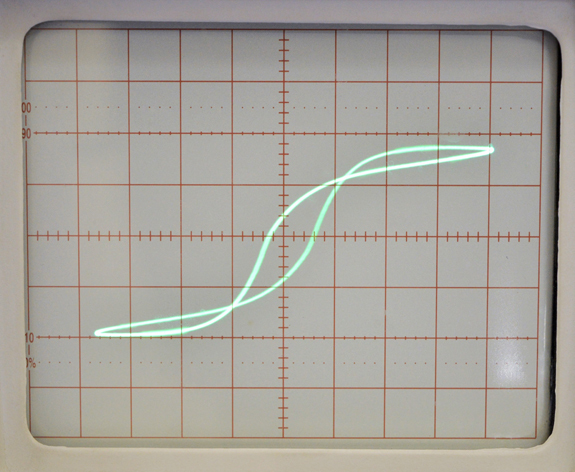
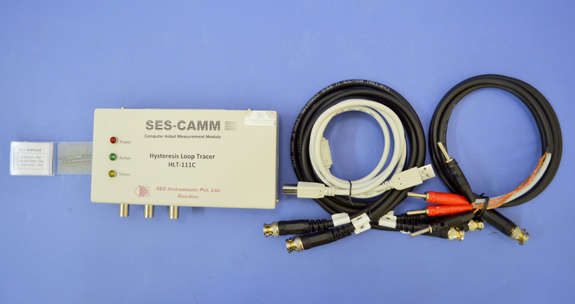
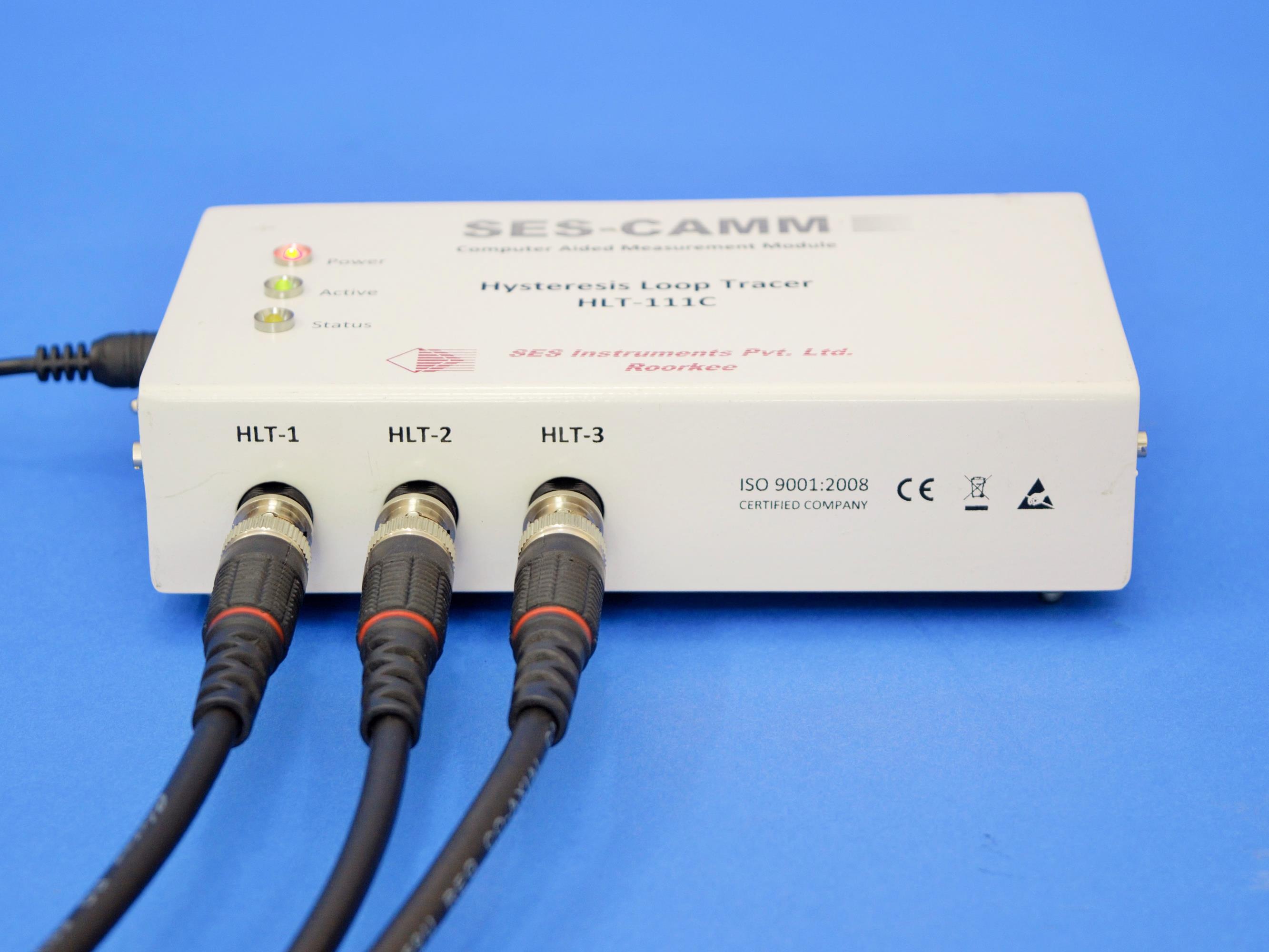

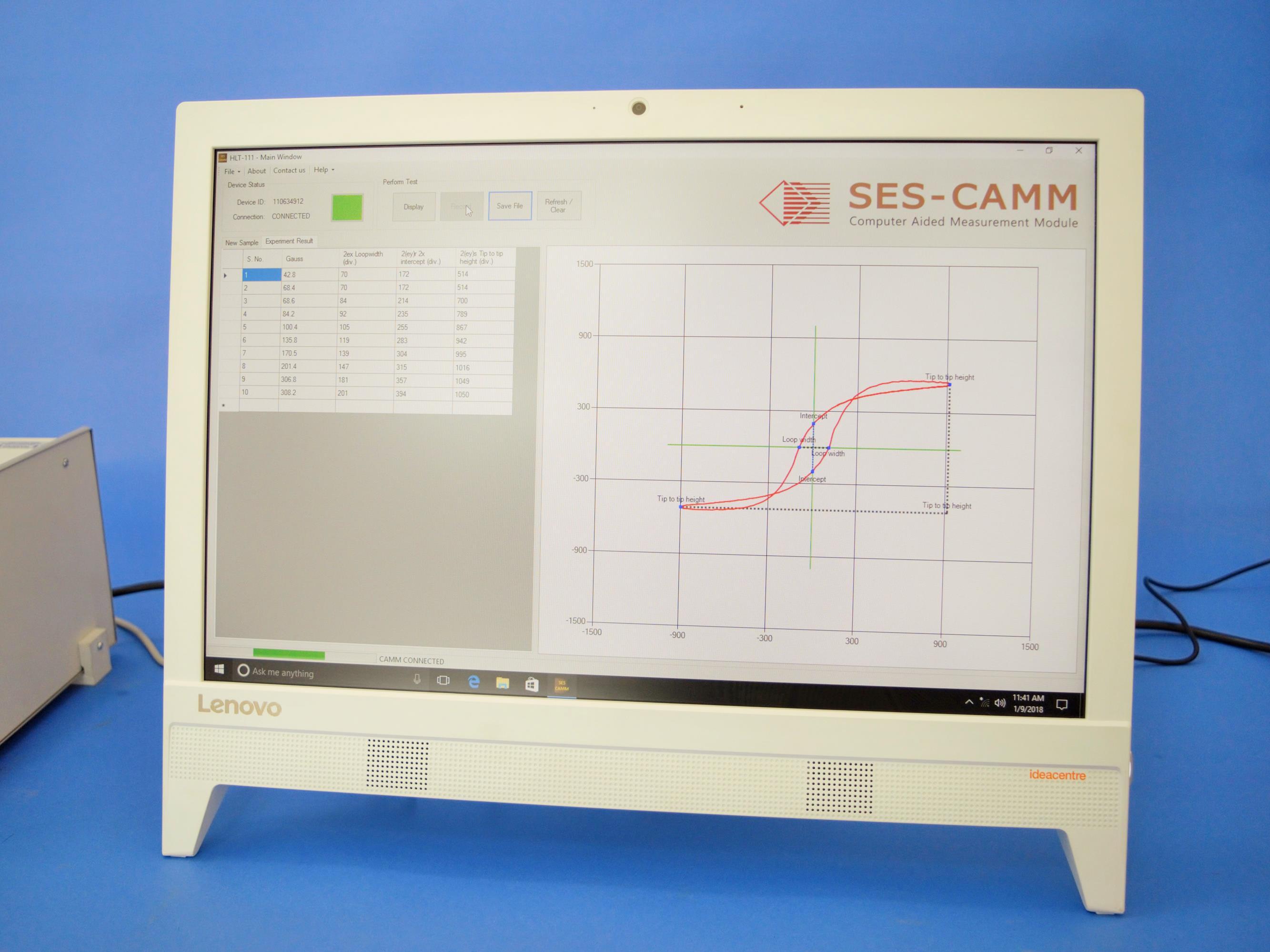
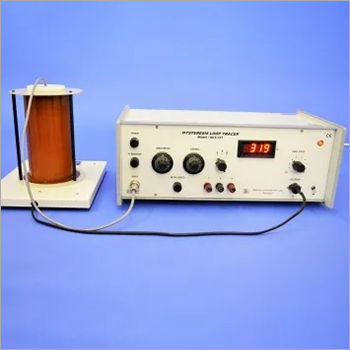
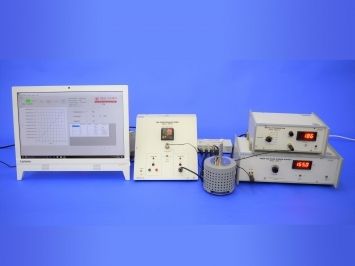
Magnetic Hysteresis Loop Tracer, HLT-111C
Product Details:
- Usage Laboratory Instruments
- Weight 40 Kg Kilograms (kg)
- Application Laboratory Instruments
- Material Electronics
- Display Type Digital
- Click to View more
Magnetic Hysteresis Loop Tracer, HLT-111C Price And Quantity
- 1 Set
- 75000 INR/Set
Magnetic Hysteresis Loop Tracer, HLT-111C Product Specifications
- 40 Kg Kilograms (kg)
- Laboratory Instruments
- Digital
- Laboratory Instruments
- Electronics
Magnetic Hysteresis Loop Tracer, HLT-111C Trade Information
- Cash Against Delivery (CAD), Cash on Delivery (COD), Delivery Point (DP), Telegraphic Transfer (T/T), Cash in Advance (CID), Cheque, Cash Advance (CA)
- 100 Set Per Month
- 1 Week
- Contact us for information regarding our sample policy
- Complete in all respect
- Asia, Australia, Central America, North America, South America, Eastern Europe, Western Europe, Middle East, Africa
- All India
- ISO 9001: 2015 CE
Product Description
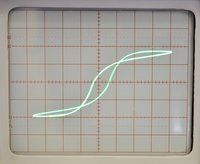
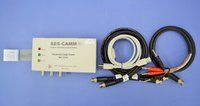
We manufacture, export and supply Hysteresis Loop Tracer, HLT-111C to our clients in Roorkee, Uttarakhand, A precise knowledge of various magnetic parameters of ferromagnetic substances, viz. coercivity, retentivity, saturation magnetisation and hysteresis loss, and ability to determine them accurately are important aspects of magnetic studies. The information about the aforementioned properties can be obtained from a magnetic hysteresis loop which can be traced by a number of methods in addition to the slow and laborious ballistic galvanometer method. Among the typical representatives of AC hysteresis loop tracers, some require the ring form of samples while others can be used with thin films, wires or even rock samples. Ring form samples are not always practically convenient to make while in others demagnetisation effects sometime become quite important. The present set-up can accept the samples of thin wires of different diameters. The demagnetisation effects, different diameters of samples and eddy currents (due to the conducting property of the material) has been taken into account within the design or graphically. This model comes with USB interface for connecting a computer and required software.
Applications
- The following magnetic parameters can be measured by this set-up:
- Coercivity
- Retentivity
- Saturation magnetisation
- Various magnetic phase identification
- Hysteresis loss
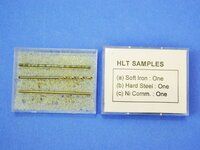
The equipment is complete in all respect, including a set of samples (wires of Nickel, and different grades of iron etc.). A Cathode Ray Oscilloscope and a computer will however be required. Computer is not included with the setup.
Cutting-edge Magnetic Measurements
The HLT-111C enables accurate tracing of hysteresis loops, essential for studying the magnetic behavior of materials. Its digital interface simplifies data acquisition, making it a reliable asset for modern research labs.
Built for Laboratory Excellence
Intent on supporting educational and research facilities, the HLT-111C is constructed to withstand frequent laboratory use. Its robust electronic build and user-friendly operation make it a preferred choice for technicians and students alike.
FAQ's of Magnetic Hysteresis Loop Tracer, HLT-111C:
Q: How do you operate the Magnetic Hysteresis Loop Tracer, HLT-111C in laboratory experiments?
A: To operate the HLT-111C, connect your magnetic sample, configure the digital controls as per the experiment's requirements, and initiate a reading. The digital display provides real-time data, facilitating systematic observation during laboratory experiments.Q: What are the main applications of the HLT-111C Magnetic Hysteresis Loop Tracer?
A: The HLT-111C is mainly used to study magnetic properties and hysteresis loops of materials in educational and research laboratories. It serves as a valuable teaching tool and for conducting advanced experimental research on magnetic phenomena.Q: When should the HLT-111C be used in laboratory settings?
A: This instrument should be used whenever precise measurement and analysis of magnetic characteristics are required in laboratory experiments, especially during physics and material science research projects.Q: Where is the ideal environment to install the HLT-111C Tracer?
A: The HLT-111C is best installed in controlled laboratory environments, such as university research labs, technical institutes, and industrial R&D facilities, where it will remain protected from dust, moisture, and excessive vibration.Q: What is the process for acquiring the HLT-111C from your company?
A: As an exporter, manufacturer, and supplier based in India, we accept direct inquiries and orders through our official website or recognized distribution channels. We provide support for installation and after-sales service.Q: What are the benefits of using a digital Magnetic Hysteresis Loop Tracer like the HLT-111C?
A: The digital interface enhances accuracy and repeatability of results, reduces the likelihood of human error, and speeds up data collection compared to analog alternatives, significantly improving research efficiency.
Price:
- 50
- 100
- 200
- 250
- 500
- 1000+

Other Products in 'Physics & Material Sc. Lab Experiments' category


- Building 452, Adarsh Nagar,Roorkee - 247667, Uttarakhand, India
- Phone : 07313725920

- Mr Ravi Prakash (Director)
- Mobile :07313725920
- Send Inquiry
- Landline : 91-1332-277118/ 272852
Direct No. :+919837072750
 Send Inquiry
 Send Inquiry
 Send SMS
 Call Me Free
Developed and Managed by Infocom Network Private Limited.

