 English
 Spanish
 French
 German
 Italian
 Chinese (Simplified)
 Japanese
 Korean
 Arabic
 Portuguese
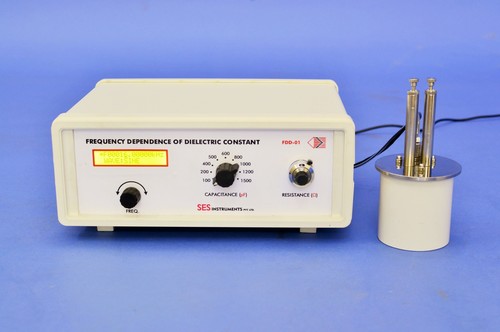
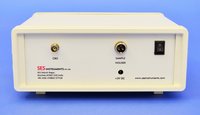
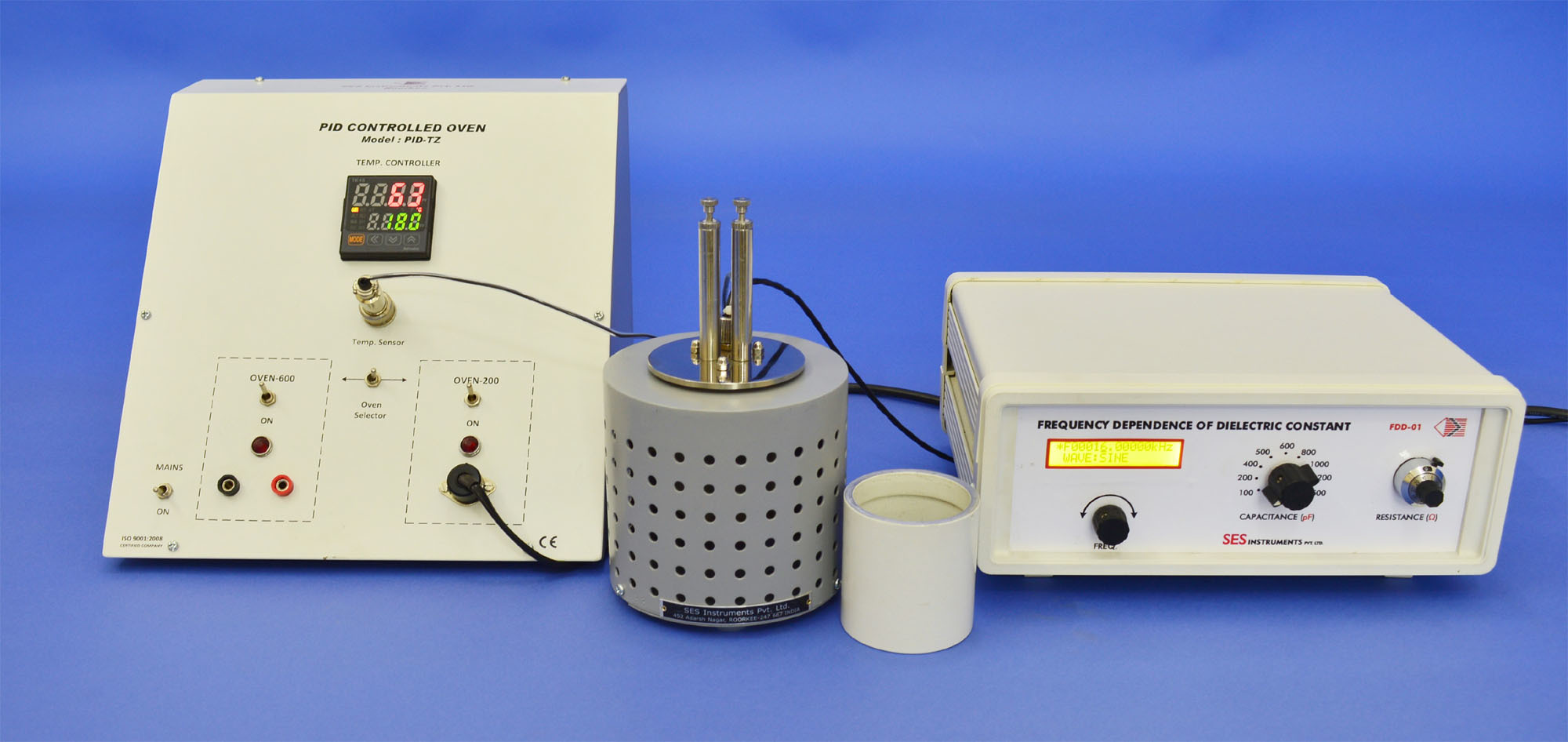
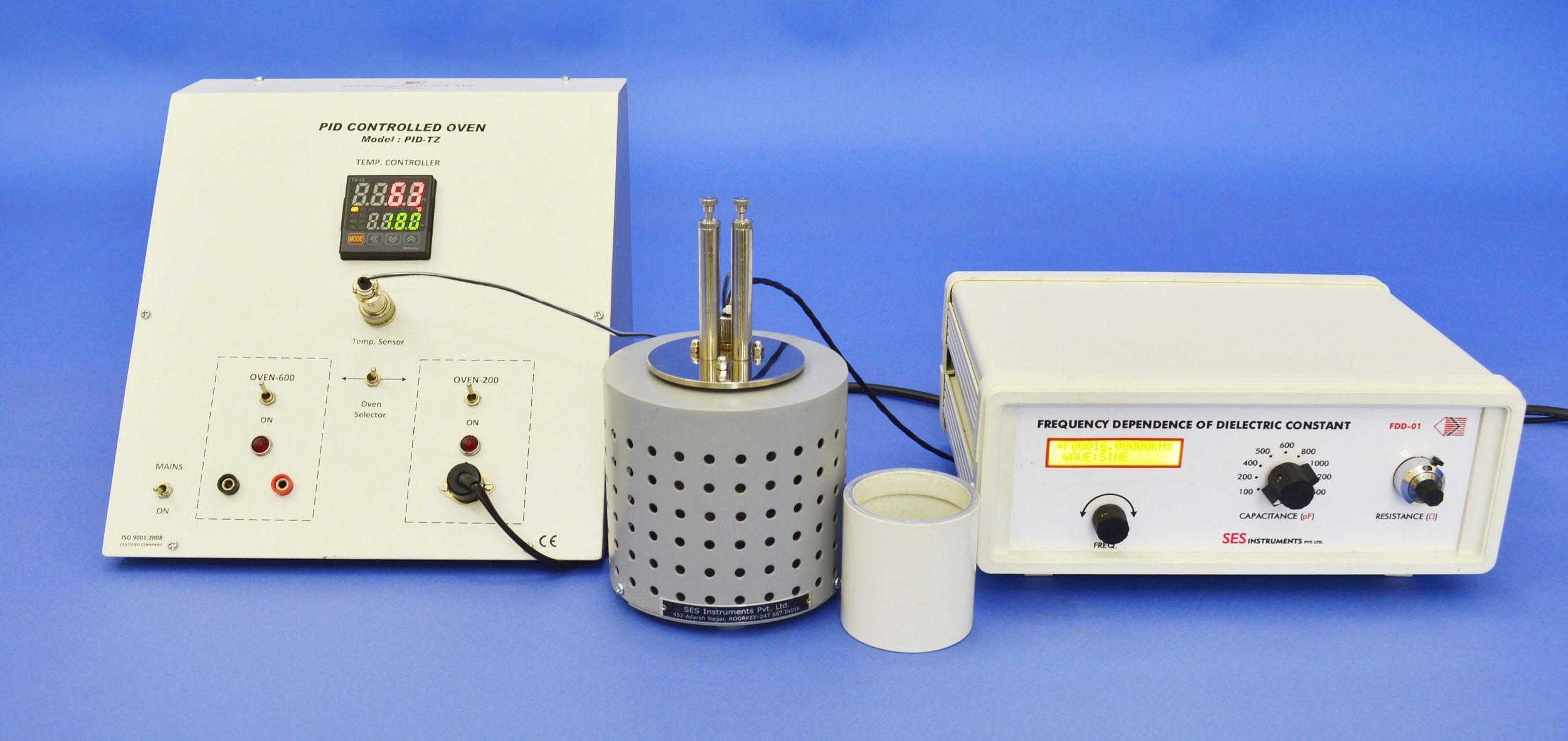
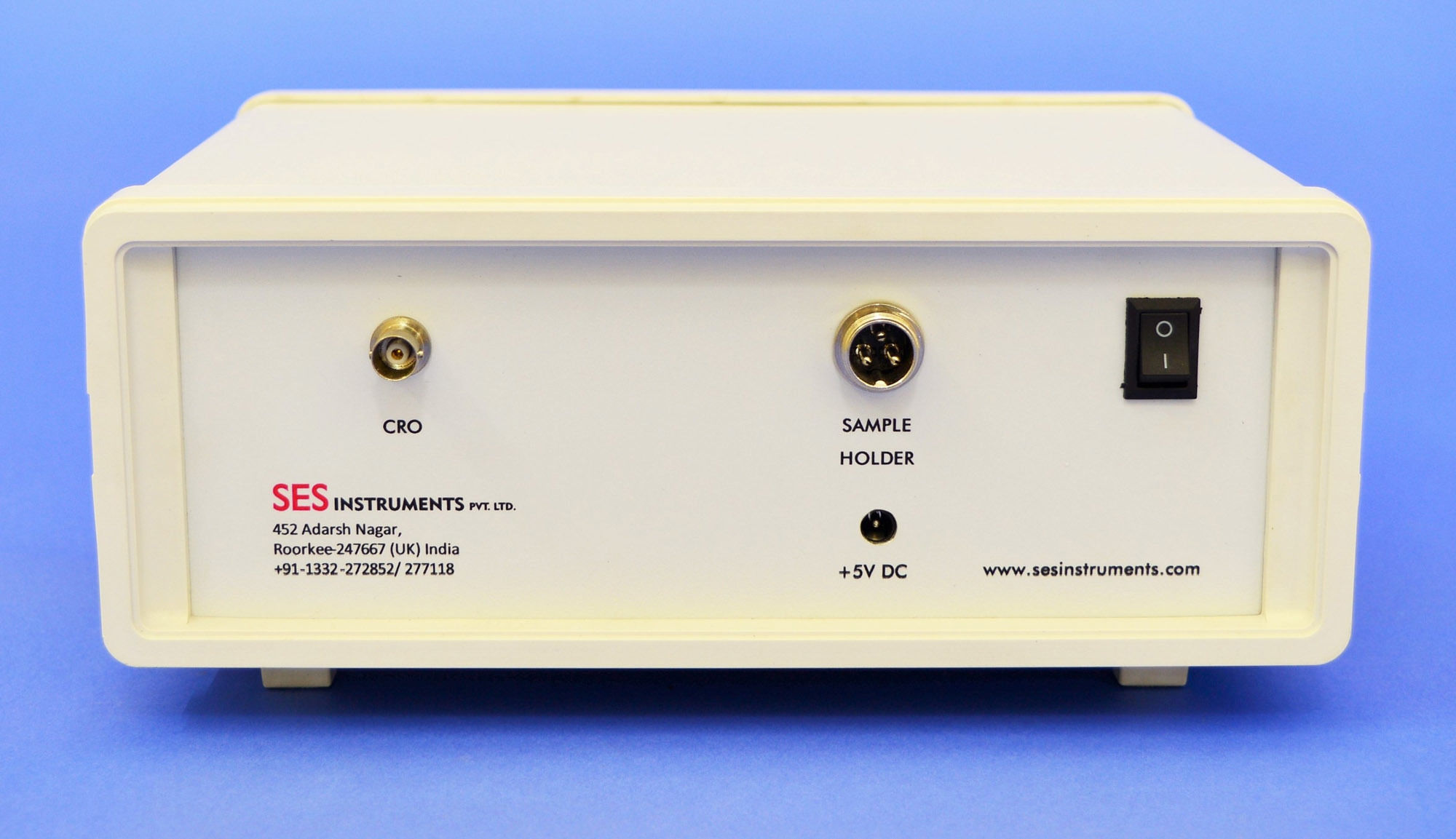
Frequency Dependence of Dielectric Constant, FDD-01
Product Details:
- Weight 20 Kg
- Application Laboratory use
- Usage Laboratory use
- Color Grey
- Material Electronics
- Display Type Digital
- Click to View more
Frequency Dependence of Dielectric Constant, FDD-01 Price And Quantity
- 1 Set
Frequency Dependence of Dielectric Constant, FDD-01 Product Specifications
- Laboratory use
- 20 Kg
- Digital
- Grey
- Laboratory use
- Electronics
Frequency Dependence of Dielectric Constant, FDD-01 Trade Information
- Cash on Delivery (COD), Delivery Point (DP), Cash Against Delivery (CAD), Telegraphic Transfer (T/T), Cash in Advance (CID), Cheque, Cash Advance (CA)
- 100 Set Per Month
- 1 Week
- Contact us for information regarding our sample policy
- Complete in all respect
- Asia, Australia, Central America, North America, South America, Eastern Europe, Western Europe, Middle East, Africa
- All India
- ISO 9001: 2015 CE
Product Description
Frequency Dependence of Dielectric Constant
- Capacitance measurement from 1-50kHz
- Dedicated Schering Bridge with built-in oscillator
- Computation of dielectric constant and loss factor
- Samples of Barium Titanate, MLCC and conventional capacitor
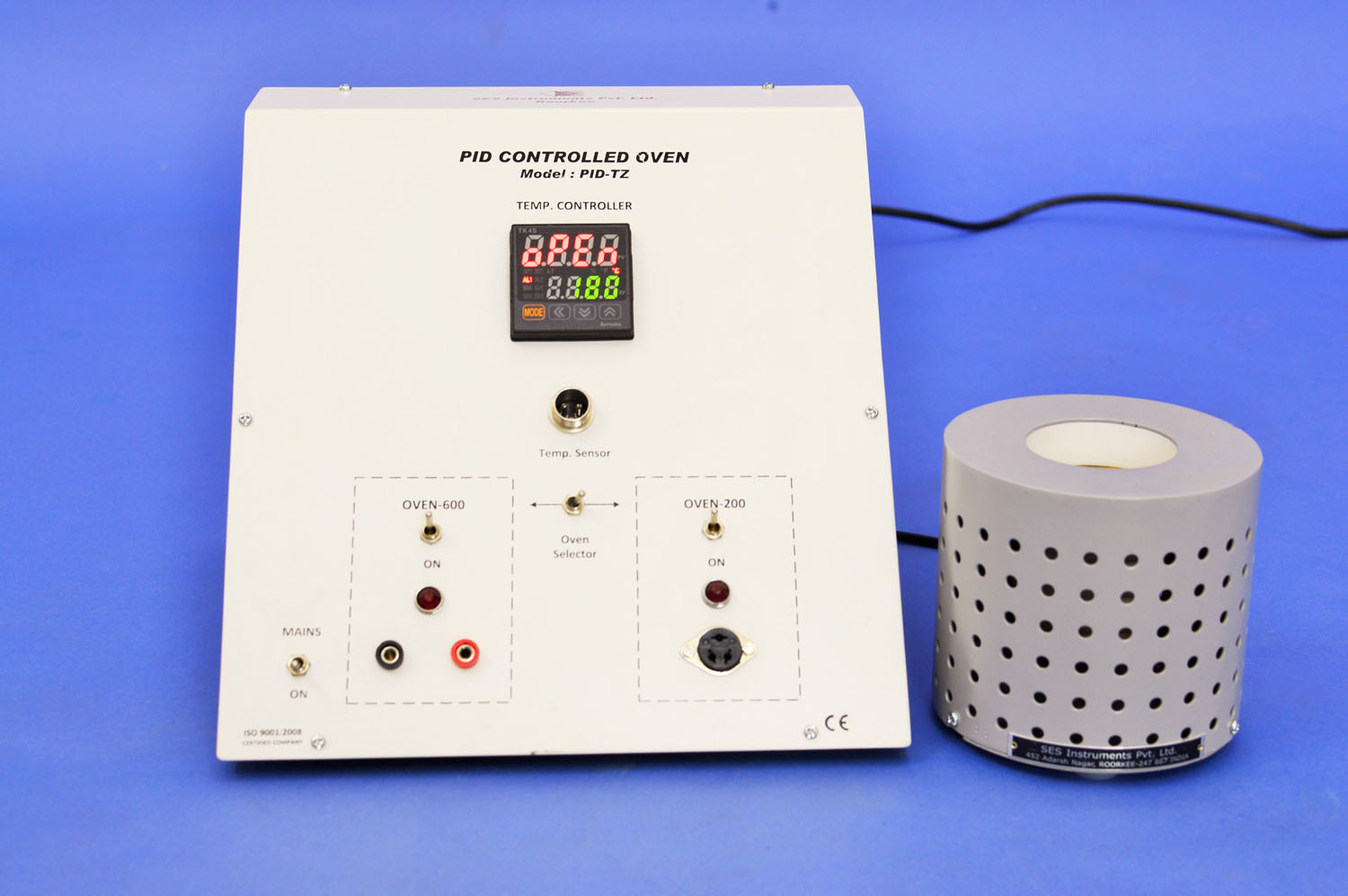
- Temperature variation studies with additional equipment oven and controller (optional)
Barium Titanate, BaTiO , is a well known and widely investigated dielectric material. It is mainly used in capacitors due to its high dielectric constant. The dielectric properties ofBaTiO are controlled by purity and microstructure which are dependent on the methods of preparation. The ability of the dielectric material to store energy is attributed to thepolarization which can result in an increase in capacitance. It is well known that dielectric properties of every solid are very sensitive to the local electric field distribution in thesample. The temperature and frequency dependence of dielectric constant and loss can therefore give useful information about structure changes, transport mechanism anddefect behaviour of a solid.
The present experiment is designed to study the variation of capacitance and dielectric losses as a function of frequency and hence compute the change in dielectric constant, and loss factor, tan with frequency. While the behaviour of Barium Titanate is distinctly frequency dependent, the performance of a standard multi layer ceramic capacitor (MLCC) and conventional ceramic capacitors are not as prominent. A comparison of these three therefore is an interesting part of the study.
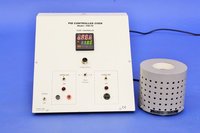
In addition, an optional experiment to study the variation of dielectric constant with temperature at different frequencies is also possible with the help of our PID controlled oven, PID-TZ
Experiments
- Study of dielectric constant variation with frequency of a Barium Titanate sample
- Study of loss factor with frequency of a Barium Titanate sample
- Study of capacitance variation with frequency of an MLCC capacitor
- Study of capacitance variation with frequency of a conventional ceramic cap.
Digital Precision for Laboratory Experiments
The FDD-01 utilizes digital technology to deliver accurate readings during frequency-dependent dielectric constant studies. Its intuitive display enables users to monitor changes seamlessly, making it ideal for both teaching and detailed research settings within laboratories.
Robust Design and User-Friendly Operation
Constructed from durable electronic materials and finished in grey, the FDD-01 balances robustness and usability. At 20 kg, it remains stable during use, and its straightforward interface simplifies setup and operation, ensuring consistent laboratory workflow.
FAQ's of Frequency Dependence of Dielectric Constant, FDD-01:
Q: How does the FDD-01 measure the frequency dependence of dielectric constant?
A: The FDD-01 applies varying electrical frequencies to a sample and uses its electronic components to precisely record changes in the dielectric constant, displaying results on its digital panel for easy interpretation.Q: What materials can be tested with the FDD-01 in a laboratory setting?
A: This instrument is suitable for testing a wide range of materials, including solids, liquids, and composites commonly used in physics and engineering research to determine their dielectric properties across different frequencies.Q: When should laboratories use the FDD-01 for experiments?
A: Laboratories should utilize the FDD-01 whenever accurate measurement of a material's dielectric constant as a function of frequency is required, such as in material characterization, quality control, or educational demonstrations.Q: Where is the FDD-01 manufactured and supplied?
A: The FDD-01 is manufactured in India and is available through exporters, manufacturers, and suppliers specializing in laboratory equipment for research and academic institutions.Q: What is the process for operating the FDD-01 in experiments?
A: Users simply place the material sample in the device, set the desired frequency range through its controls, and monitor the results via the digital display. The process is streamlined for ease of use in busy laboratory environments.Q: What are the benefits of using a digital display for dielectric constant measurements?
A: The digital display provides clear, immediate readings, reduces measurement errors, and enhances user efficiency, enabling researchers and students to analyze data quickly during their dielectric studies.Q: How does the 20 kg weight of the FDD-01 benefit laboratory usage?
A: The substantial weight ensures the device remains stable on laboratory benches, minimizing vibrations and movement that could disrupt sensitive measurements, and providing reliable operation in rigorous laboratory settings.
Price:
- 50
- 100
- 200
- 250
- 500
- 1000+

Other Products in 'Physics & Material Sc. Lab Experiments' category




- Building 452, Adarsh Nagar,Roorkee - 247667, Uttarakhand, India
- Phone : 07313725920

- Mr Ravi Prakash (Director)
- Mobile :07313725920
- Send Inquiry
- Landline : 91-1332-277118/ 272852
Direct No. :+919837072750
 Send Inquiry
 Send Inquiry
 Send SMS
 Call Me Free
Developed and Managed by Infocom Network Private Limited.

