 English
 Spanish
 French
 German
 Italian
 Chinese (Simplified)
 Japanese
 Korean
 Arabic
 Portuguese
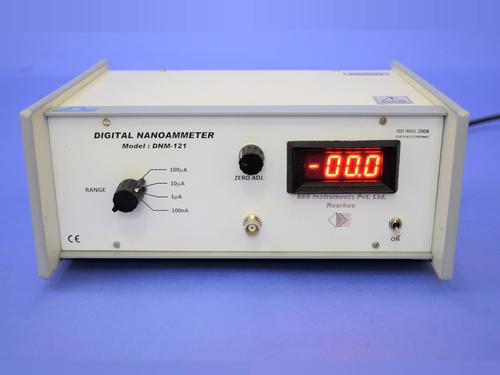
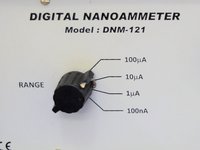
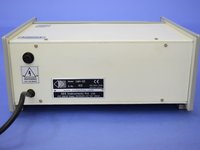
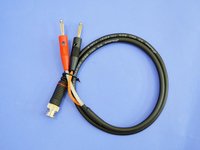
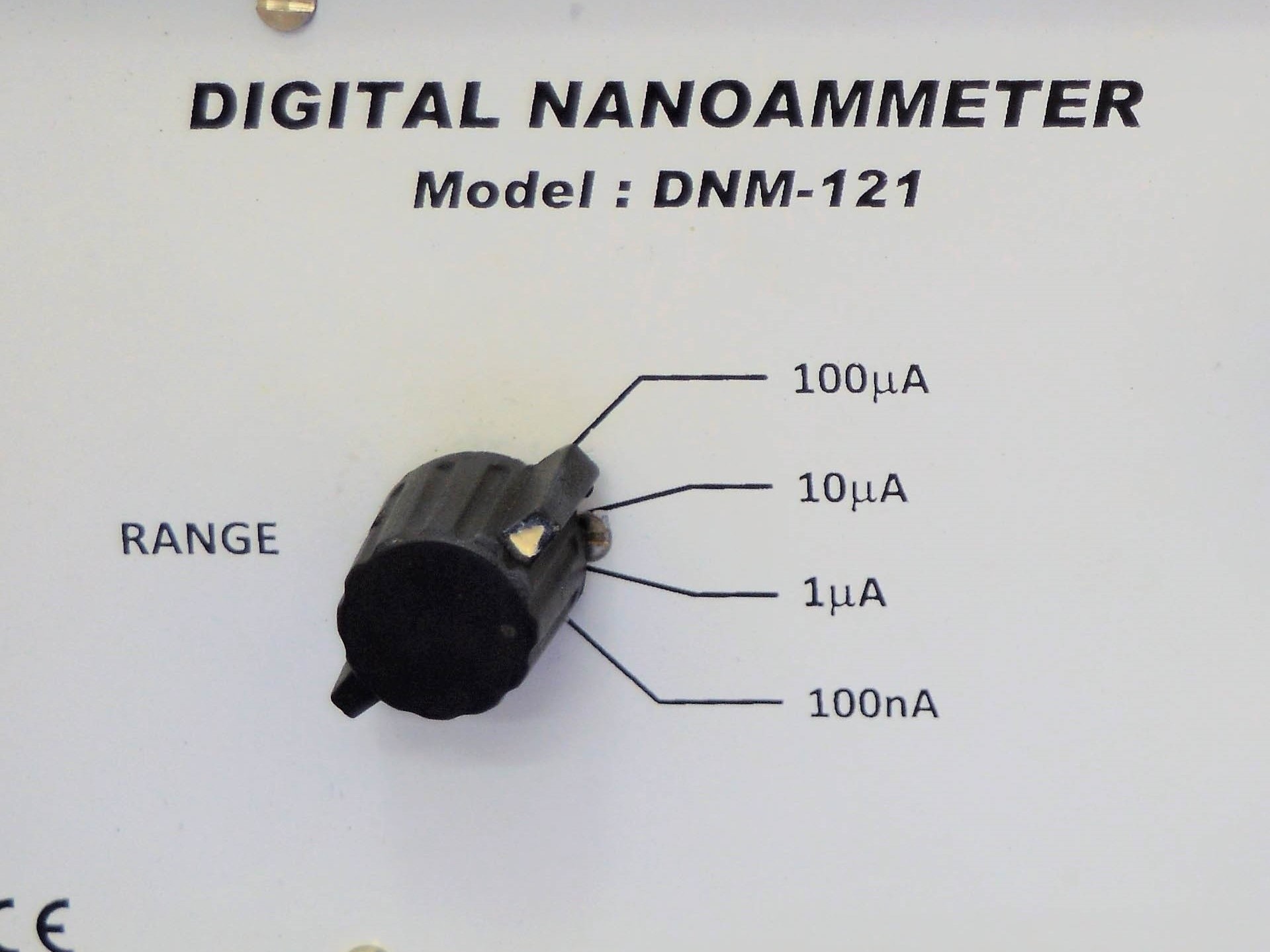
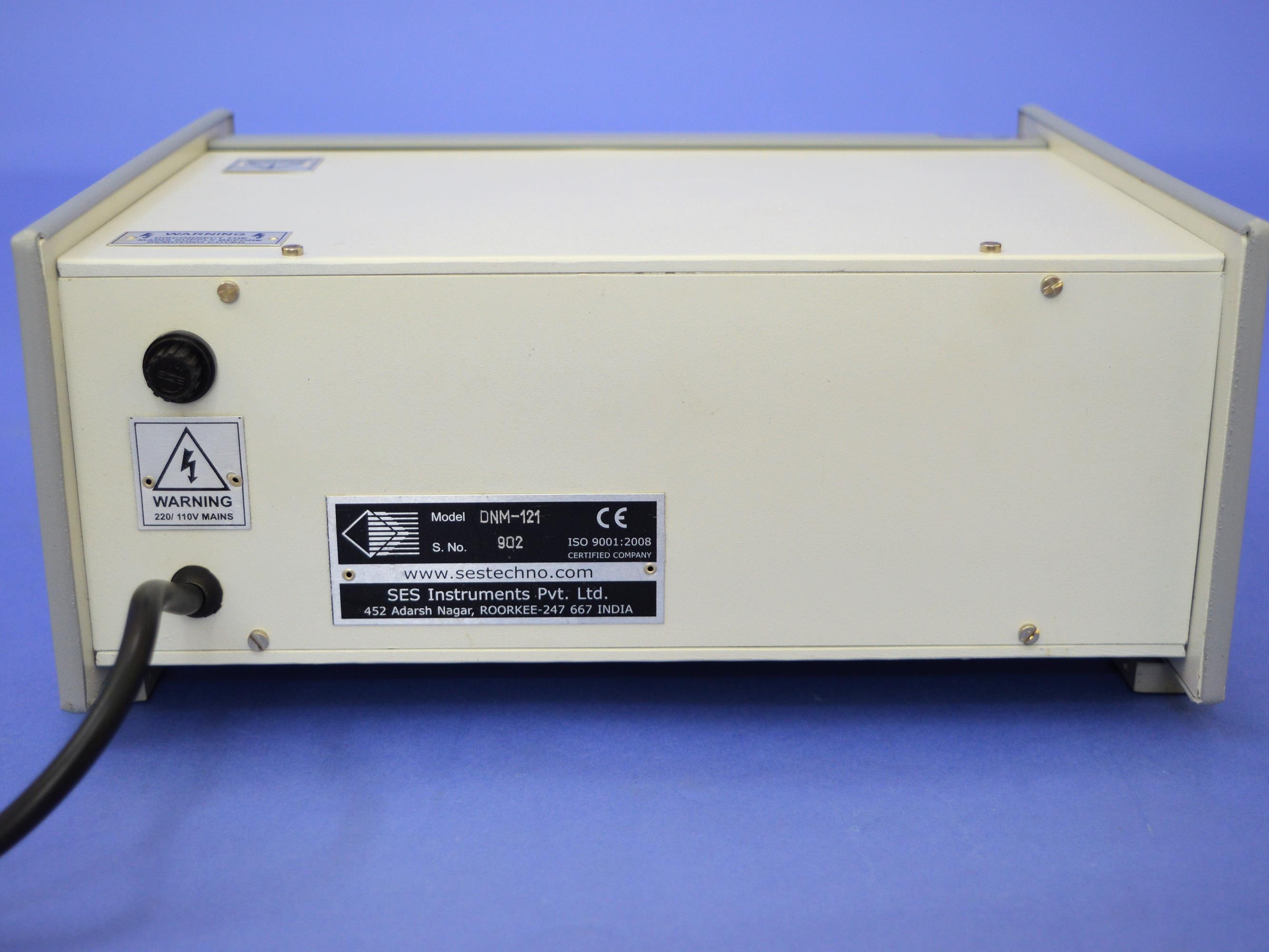
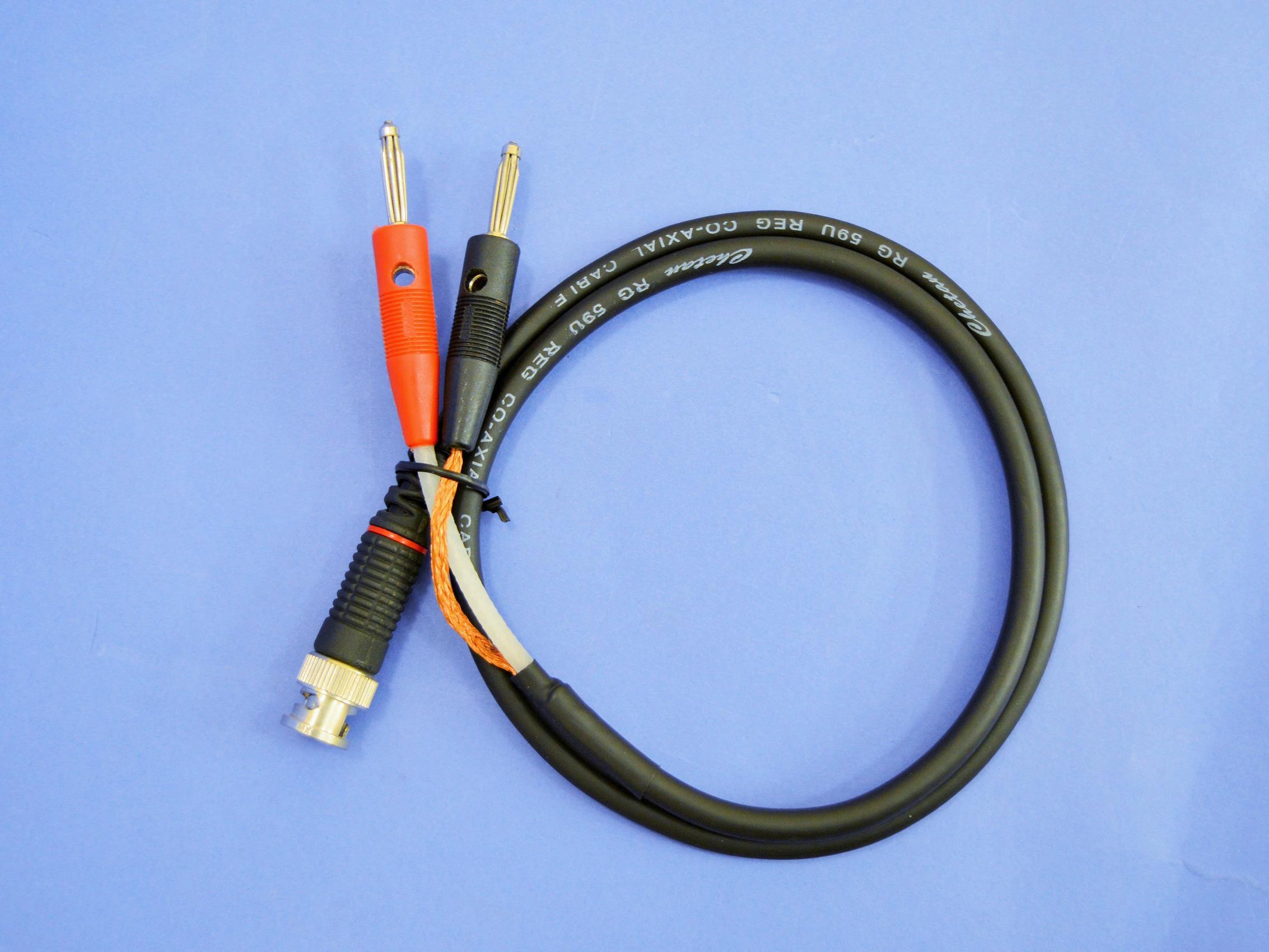
Digital Nanoammeter, Dnm-121
Product Details:
- Application Laboratory Experiment
- Weight 20 Kg Kilograms (kg)
- Usage Laboratory Experiment
- Material Electronics
- Color Grey
- Display Type 3 digit 7 segment LED (12.5mm height) with auto polarity and decimal indication
- Dimension (L*W*H) 240mm X 275mm X 120mm Millimeter (mm)
- Click to View more
Digital Nanoammeter, Dnm-121 Price And Quantity
- 1 , , Piece
Digital Nanoammeter, Dnm-121 Product Specifications
- 20 Kg Kilograms (kg)
- 3 digit 7 segment LED (12.5mm height) with auto polarity and decimal indication
- Laboratory Experiment
- Grey
- Electronics
- Laboratory Experiment
- 240mm X 275mm X 120mm Millimeter (mm)
Digital Nanoammeter, Dnm-121 Trade Information
- Cash Against Delivery (CAD), Cash on Delivery (COD), Cash Advance (CA), Cash in Advance (CID), Cheque, Delivery Point (DP), Telegraphic Transfer (T/T)
- 100 , , Piece Per Month
- 1 Week
- Contact us for information regarding our sample policy
- Complete in all respect
- South America, Western Europe, Australia, North America, Eastern Europe, Middle East, Central America, Asia, Africa
- All India
- ISO 9001: 2015 CE
Product Description
Digital Nanoammeter, Dnm-121
With sincere intentions to preserve and uplift our reputation in both national and international markets, we bring forth a precision-engineered array of Digital Nanometer. This application specific instrument is widely used in laboratories for measurements of current from photomultiplier tubes, photometer etc. A team of our qualified professionals, with hard-earned experience, manufacture the offered range with utmost care and perfection ensuring set industrial standards. Moreover, the offered range is equipped with technically advanced features.
Features:
- Easy maintenance
- Durable finish standards
- Smooth functioning
Highlights:
- Measures current down to 100pA
- All solid state and IC design
- Accepts either polarity of input
Applications:
- To measure current from photomultiplier tubes, photometer etc.
- Leakage currents in solid state devices. FET gate and tube grid voltages without loading errors.
- Current through very high resistance in conjunction with a power supply.
- Potentials across semiconductors, piezoelectric systems & pH electrodes.
|
Range |
100nA, 1mA, 10mA, 100mA with 100% over-ranging |
|
Accuracy |
0.2% for all ranges |
|
Resolution |
0.1nA |
|
Input Resistance |
25, 2.5, 0.25, 0.025 |
|
Display |
3" digit 7 segment LED with auto polarity and decimal indication |
|
Input |
Through amphenol connector |
|
Power Supply |
220V+10%, 50Hz |
Precision Measurement for Laboratory Research
The Dnm-121 Digital Nanoammeter is engineered for laboratory environments requiring exact current measurements at the nanoampere level. Its advanced electronics and user-friendly display provide researchers and technicians with dependable, consistent data vital for experimental accuracy. The sturdy design and clear LED indicators streamline work in busy labs.
Designed for Versatility and Clarity
With a compact footprint and intuitive controls, the Dnm-121 integrates seamlessly into laboratory setups. The 3-digit, 7-segment LED display offers enhanced visibility, while auto polarity and decimal functions reduce user error. Its sturdy construction ensures longevity, suitable for rigorous laboratory use by exporters, manufacturers, and suppliers in India.
FAQ's of Digital Nanoammeter, Dnm-121:
Q: How do I operate the Digital Nanoammeter Dnm-121 in laboratory experiments?
A: Simply connect the Dnm-121 to your experimental circuit as per standard procedure, ensuring secure contacts. Use the clearly labeled controls to switch on the device, and read current values directly from the LED display, which automatically shows polarity and decimal placement.Q: What makes the Dnm-121 nanoammeter suitable for laboratory usage?
A: The Dnm-121 is designed specifically for laboratory applications, offering precise measurements at the nanoampere scale. Its robust electronic build, accurate 3-digit display, and compact size make it a reliable instrument for repeatable experimental work.Q: When should I choose the Dnm-121 for my measurement needs?
A: Choose the Dnm-121 when your laboratory experiments require accurate measurement of extremely low currents, particularly when clarity, auto polarity, and decimal indication are essential. Its construction supports consistent performance in demanding scientific environments.Q: Where can the Dnm-121 Digital Nanoammeter be utilized?
A: This nanoammeter is best used in educational and research laboratories, industrial labs, and any setting where low-current measurements are important. It's also suitable for exporters, manufacturers, and suppliers who require precise instruments in India.Q: What is the process for calibrating the Dnm-121 nanoammeter?
A: The Dnm-121 can be calibrated by following the manufacturer's guidelines, typically involving the use of known current sources and adjustment of internal settings for optimal accuracy. Regular calibration ensures consistent measurement results in laboratory experiments.Q: What benefits does the auto polarity and decimal indication offer?
A: Auto polarity helps prevent user errors by automatically indicating the direction of current, while decimal indication assures precise reading of low currents. Combined, these features support accurate interpretations and efficient data recording.
Price:
- 50
- 100
- 200
- 250
- 500
- 1000+

Other Products in 'General Laboratory Instruments' category


- Building 452, Adarsh Nagar,Roorkee - 247667, Uttarakhand, India
- Phone : 07313725920

- Mr Ravi Prakash (Director)
- Mobile :07313725920
- Send Inquiry
- Landline : 91-1332-277118/ 272852
Direct No. :+919837072750
 Send Inquiry
 Send Inquiry
 Send SMS
 Call Me Free
Developed and Managed by Infocom Network Private Limited.

