 English
 Spanish
 French
 German
 Italian
 Chinese (Simplified)
 Japanese
 Korean
 Arabic
 Portuguese
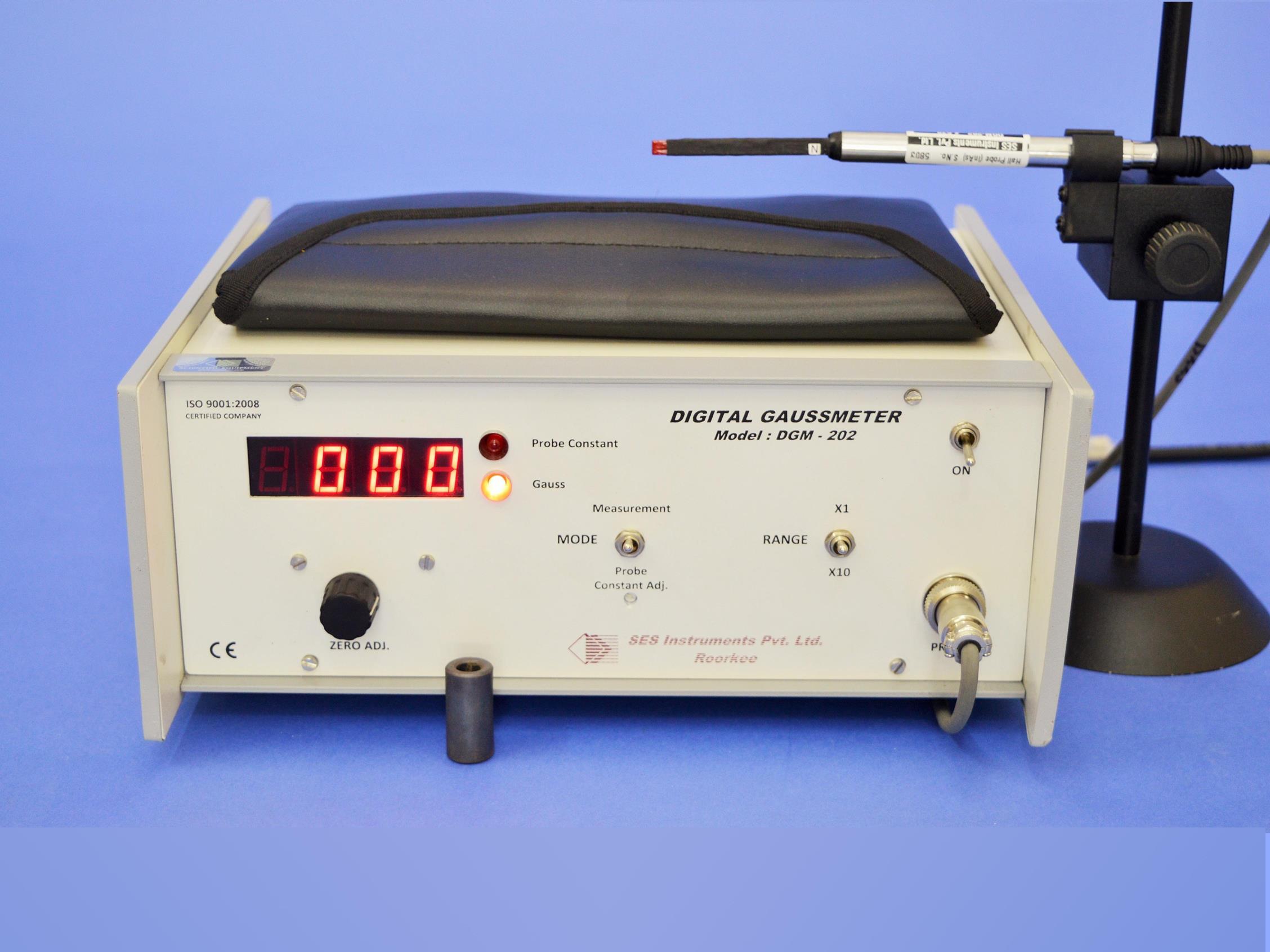
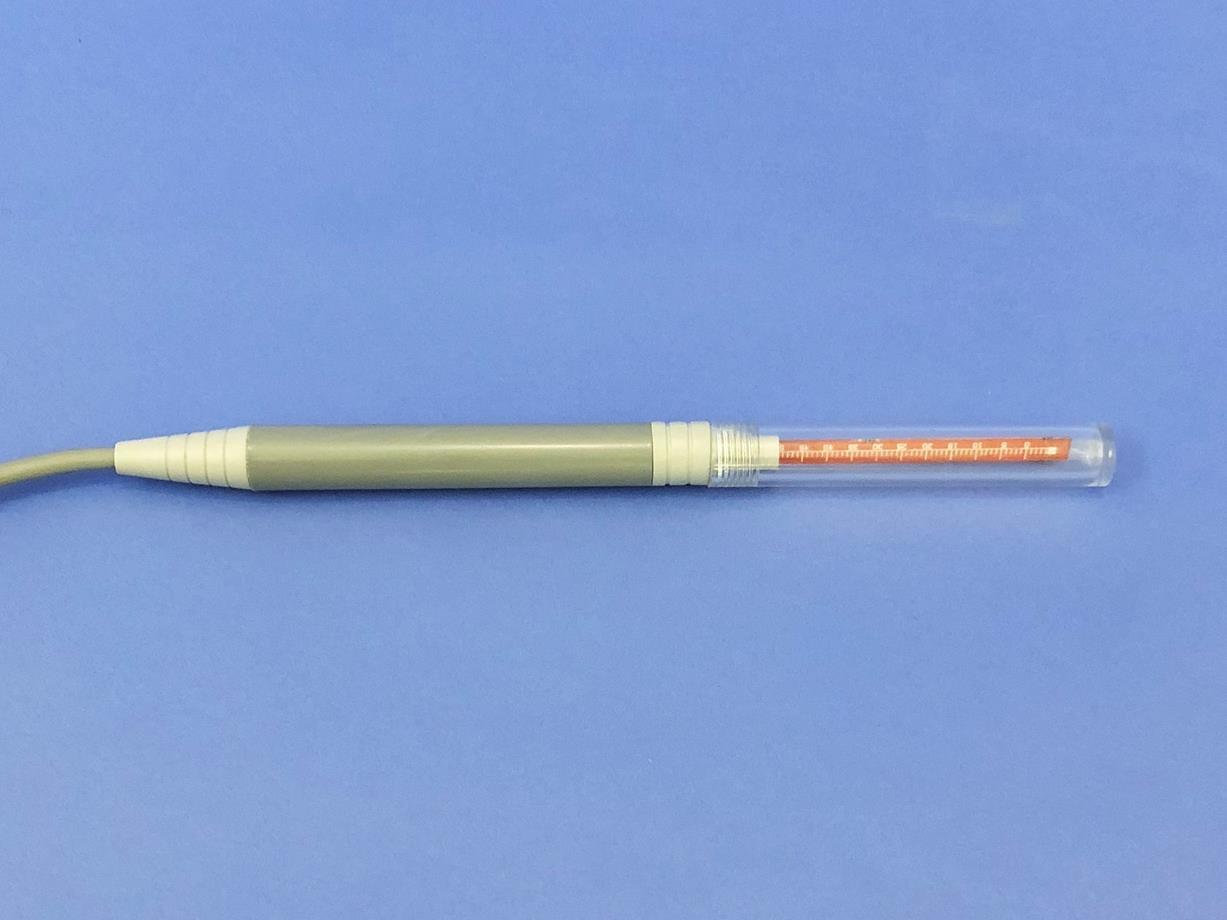
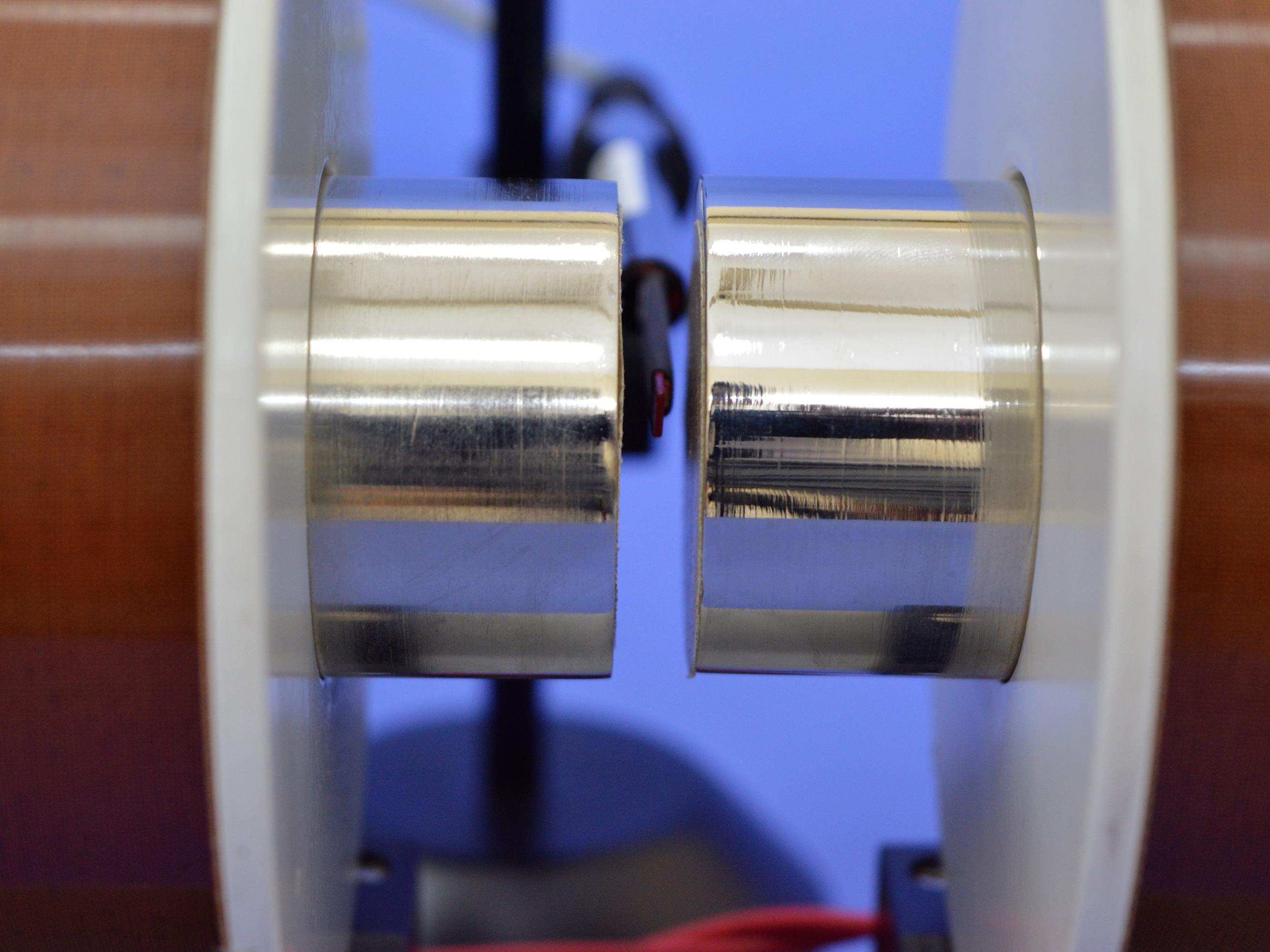
Digital Gaussmeter
Product Details:
- Weight 7 Kg Kilograms (kg)
- Usage Laboratory Experiment
- Material Electronics
- Application Laboratory Experiment
- Color Grey
- Display Type Digital
- Click to View more
X
Digital Gaussmeter Price And Quantity
- 1 , , Piece
Digital Gaussmeter Product Specifications
- Digital
- Grey
- Laboratory Experiment
- Laboratory Experiment
- Electronics
- 7 Kg Kilograms (kg)
Digital Gaussmeter Trade Information
- Cash Against Delivery (CAD), Cash on Delivery (COD), Telegraphic Transfer (T/T), Delivery Point (DP), Cash in Advance (CID), Cheque, Cash Advance (CA)
- 100 , , Piece Per Month
- 1 Week
- Contact us for information regarding our sample policy
- Complete in all respect
- Asia, Australia, Central America, North America, South America, Eastern Europe, Western Europe, Middle East, Africa
- All India
- ISO 9001: 2015 CE
Product Description
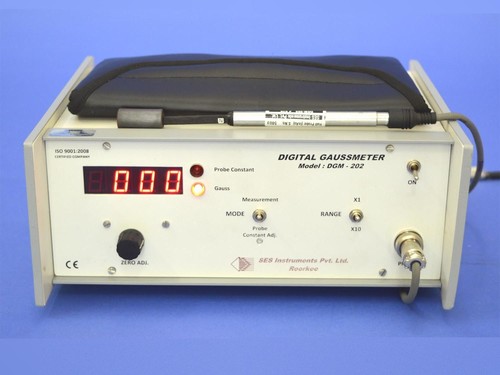
Digital Gaussmeter Dgm-202
Backed by consistent efforts of our adroit professionals, we are engaged in manufacturing, exporting and supplying an excellent collection of Digital Gaussmeters. The offered range is fabricated by making use of superb quality components and highly advanced technology in sync with defined industrial norms. Also, we provide the overall range in multiple specifications, keeping in mind varied requirements of our esteemed clients. These innovative products are well-known for durability and in fact can be installed very easily.
Features:
- Technically advanced
- Operational fluency
- Stability
Applications:
- Wide application in industry where accurate measurements of magnetic field is required.
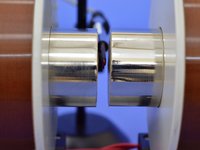
- Measurement of steady magnetic field e.g. in loud speakers, dynamo, moving coil instruments etc.
- Useful in laboratory experiment involving measurement of magnetic field.
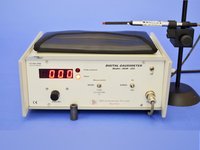
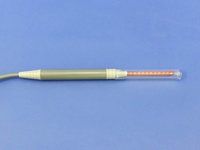
- With easy inter-changeability of Hall Probe, same gauss meter can be used with both transverse and axial probe.
Specifications:
- Resolution: 0.1 gauss at 0.1 kilogauss range
- Range: 200KG, 2KG, 20KG and 40KG
- Accuracy: +0.5%,digit at 1KG to 20KG range +1%; +1 digit at 0.1KG range
- Temperature: Up to 50oC
- Display: 3 digit, 7 segment LED DPM with auto polarity and overflow indication
- Power: 220V +10%, 50Hz
- Transducer: Hall Probe Gas
Special Feature: Indicate the direction of the magnetic field
Precision in Laboratory Measurements
The Digital Gaussmeter provides precise and consistent magnetic field readings, essential for laboratory experiments and research. Its high sensitivity and accuracy make it a reliable choice for professionals and students alike.
User-Friendly Digital Display
Equipped with a modern digital display, the gaussmeter ensures that readings are clear and easy to interpret. This feature enhances efficiency, reducing errors and allowing users to focus on data analysis during laboratory work.
Robust Design and Easy Handling
Manufactured using quality electronic components and encased in a durable grey body, the gaussmeter stands up to regular laboratory use. Both 3 kg and 7 kg models offer stability while remaining manageable for convenient handling.
FAQ's of Digital Gaussmeter:
Q: How is the Digital Gaussmeter used in laboratory experiments?
A: The Digital Gaussmeter is employed to accurately measure the strength and direction of magnetic fields in laboratory experiments. Simply place the gaussmeter in proximity to the magnetic source, and the digital display will show real-time measurements, enabling precise data collection.Q: What are the weight options available for this Gaussmeter, and does the weight affect its usage?
A: The Digital Gaussmeter comes in two weight options: 3 kg and 7 kg. Both sizes are designed for laboratory use; the varying weights primarily cater to user preference and experiment type, without impacting the instrument's measurement accuracy.Q: When should a laboratory choose a Digital Gaussmeter over an analog model?
A: A Digital Gaussmeter should be chosen when high measurement accuracy, ease of reading, and efficient data collection are required. Its digital display minimizes reading errors often associated with analog devices, making it ideal for laboratories focused on precision.Q: Where can this Digital Gaussmeter be sourced?
A: This Digital Gaussmeter is available directly from established exporters, manufacturers, and suppliers in India. Orders can be placed through authorized distributors or via direct contact with the manufacturing company.Q: What is the process for operating the Digital Gaussmeter?
A: Operation involves connecting the device to a power source, positioning its sensor near the magnetic field under study, and reading the magnetic field value from the digital display. Maintenance involves periodic calibration to ensure measurement consistency.Q: What are the key benefits of using this Digital Gaussmeter in laboratory experiments?
A: The Digital Gaussmeter offers benefits including high accuracy, easy-to-read digital outputs, robust electronic construction, and suitability for a wide range of laboratory applications. Its dependable performance supports efficient and reliable scientific investigation.Tell us about your requirement

Price:
Quantity
Select Unit
- 50
- 100
- 200
- 250
- 500
- 1000+
Additional detail
Mobile number
Email

Other Products in 'General Laboratory Instruments' category



Contact Details

- Building 452, Adarsh Nagar,Roorkee - 247667, Uttarakhand, India
- Phone : 07313725920

- Mr Ravi Prakash (Director)
- Mobile :07313725920
- Send Inquiry
- Landline : 91-1332-277118/ 272852
Direct No. :+919837072750
 Send Inquiry
 Send Inquiry
 Send SMS
SES INSTRUMENTS PVT. LTD.
All Rights Reserved.(Terms of Use)
Developed and Managed by Infocom Network Private Limited.
Developed and Managed by Infocom Network Private Limited.

