 English
 Spanish
 French
 German
 Italian
 Chinese (Simplified)
 Japanese
 Korean
 Arabic
 Portuguese
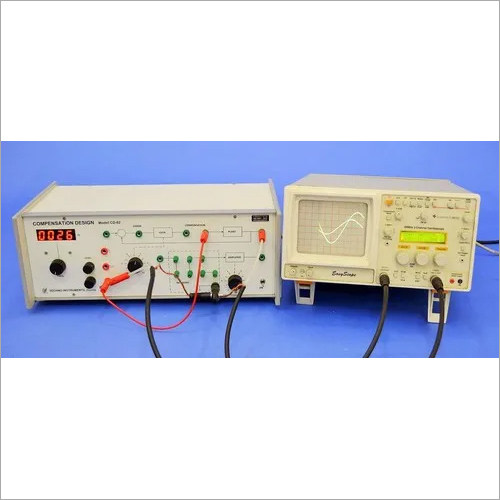
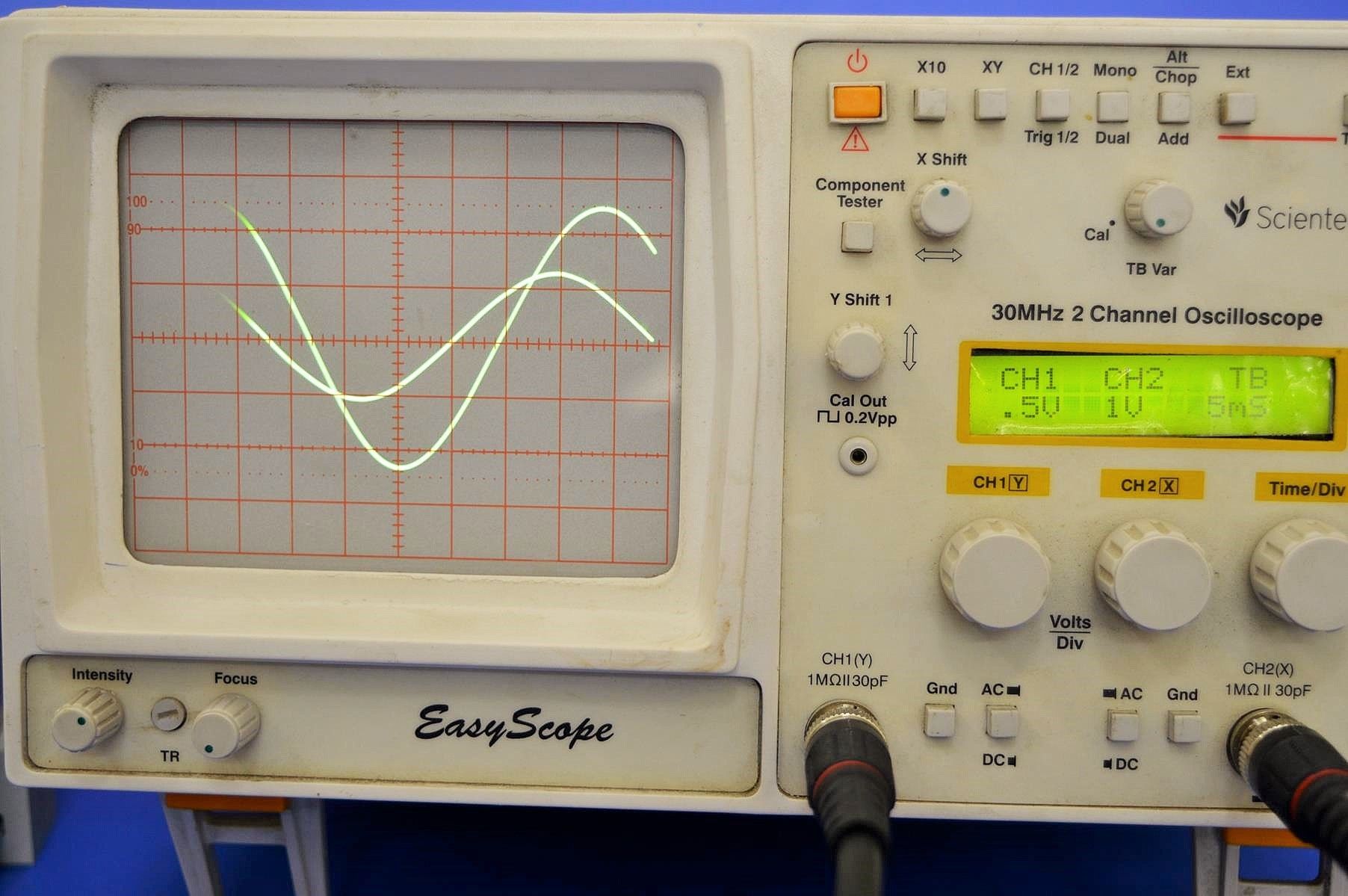
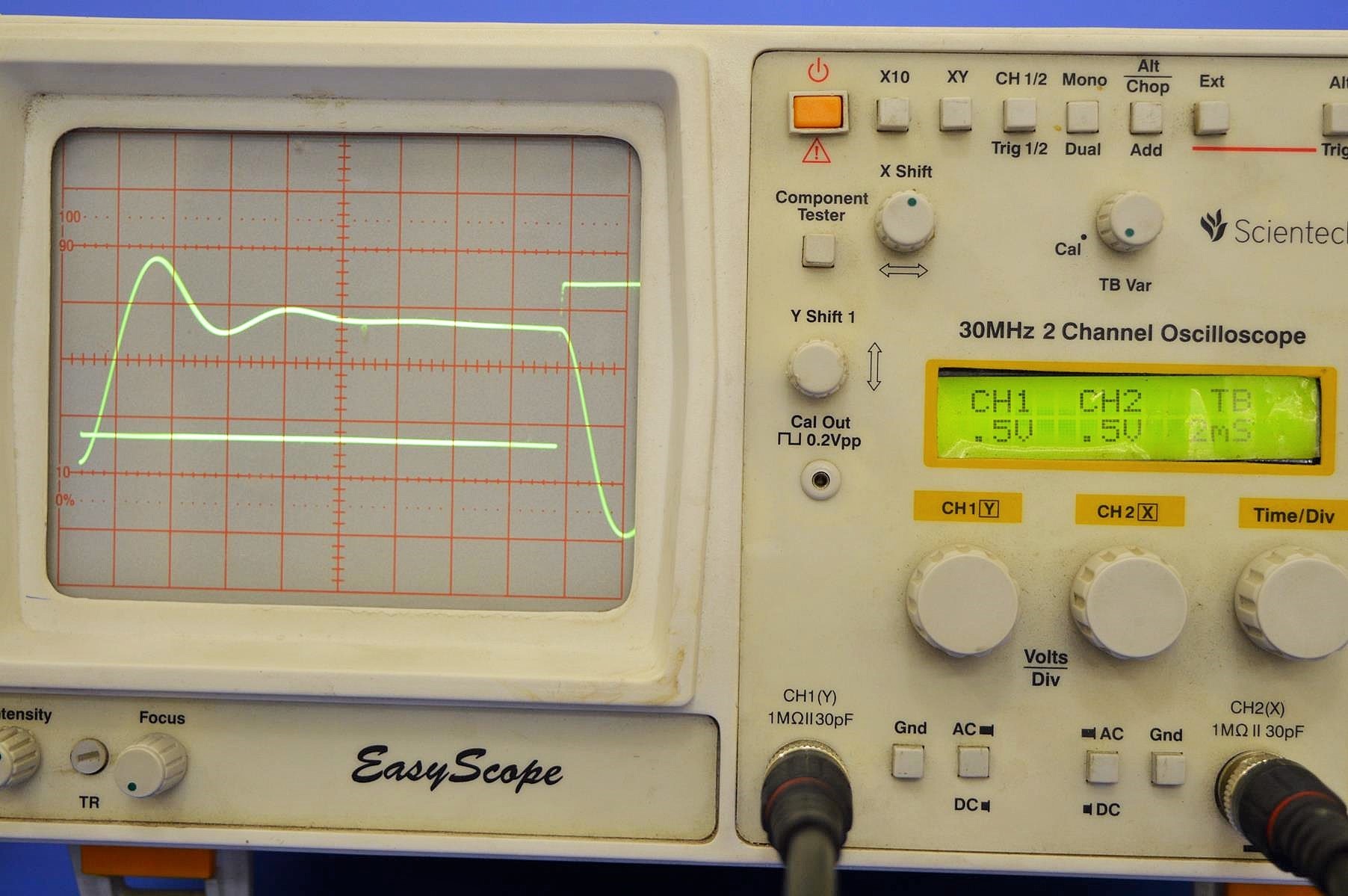
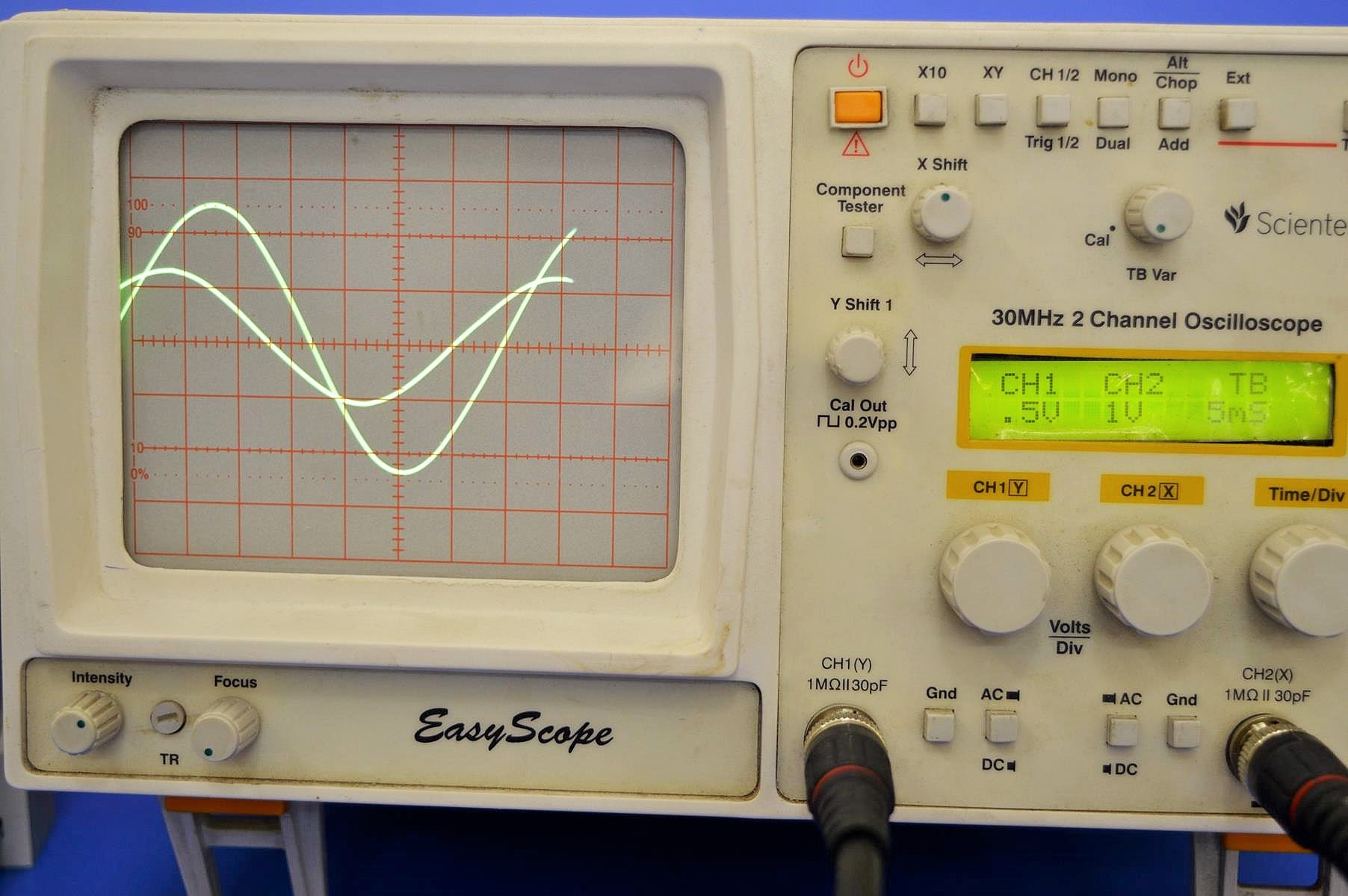
Compensation Design, Cd-02
Product Details:
- Application Control Laboratory Experiment
- Usage Control Laboratory Experiment
- Color Grey
- Weight 20 Kg Kilograms (kg)
- Material Electronics
- Type Control Lab Trainer
- Display Type Digital
- Click to View more
Compensation Design, Cd-02 Price And Quantity
- 1 Piece
Compensation Design, Cd-02 Product Specifications
- Electronics
- Control Laboratory Experiment
- Control Laboratory Experiment
- Grey
- 20 Kg Kilograms (kg)
- Control Lab Trainer
- Digital
Compensation Design, Cd-02 Trade Information
- Cash on Delivery (COD), Cash Advance (CA), Cheque, Delivery Point (DP), Cash Against Delivery (CAD), Telegraphic Transfer (T/T), Cash in Advance (CID)
- 100 Piece Per Month
- 1 Week
- Contact us for information regarding our sample policy
- Complete in all respect
- Asia, Australia, Central America, North America, South America, Eastern Europe, Western Europe, Middle East, Africa
- All India
- ISO 9001: 2015 CE
Product Description
Compensation Design, Cd-02
To grow our presence in current business stream, we are engaged as manufacturer, supplier and exporter of Compensation Design in Roorkee, Uttarakhand, India.
# Design and test cascade compensator
# Simulated system for accurate results
# Built-in compensator gain only passive external components needed
# Built-in signal sources
Features and Specifications:
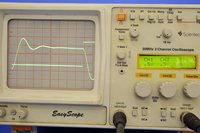
* Simulated uncompensated system having adjustable damping. Peak percent overshoot MP, variable from 20% to 50%, and steady state error variables from 50% to 0.5%
* Compensation network implementation through built-in variable gain amplifier. Gain is adjustable from 1 to 11
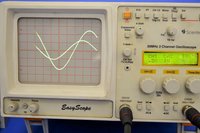
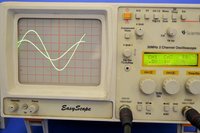
* Built-in square and sine wave generators for transient and frequency response studies. Frequency adjustable from 25Hz - 800Hz (approx.)
* 220V(+-)10%, 50Hz mains operation
* Complete in all respects, except a measuring CRO
Precision in Control Laboratory Experiments
The CD-02 Control Lab Trainer supports precise and reliable control laboratory experiments, enabling users to simulate various compensation designs efficiently. This instrument aids in deeper learning and analysis by offering robust digital displays and easy interface, making it an indispensable asset for academic and industrial laboratories.
Robust Build for Long-Term Laboratory Use
Crafted from durable electronic components, the CD-02 is built to withstand continuous laboratory use. Its substantial weight options (8 kg or 20 kg) ensure stability, while the grey color offers a professional finish. This trainer is engineered for longevity, providing consistent performance through repeated experimental cycles.
India-Based Manufacturer, Exporter & Supplier
As a leading manufacturer, exporter, and supplier of laboratory instruments from India, we guarantee the quality and reliability of the Compensation Design CD-02. Our rigorous manufacturing standards ensure each unit meets international benchmarks, making us a preferred partner for labs worldwide.
FAQ's of Compensation Design, Cd-02:
Q: How is the Compensation Design CD-02 used in control laboratory experiments?
A: The CD-02 functions as a control lab trainer, allowing users to set up and execute compensation design experiments. It helps model and manage system responses, giving students and researchers hands-on insight into advanced control techniques using its digital display interface.Q: What materials are used to construct the CD-02, and why are they important?
A: The CD-02 is made from high-grade electronics, chosen for their durability and performance. These materials ensure reliable operation across intensive laboratory sessions and provide stable support for complex experiments.Q: When is the best time to use the CD-02 in a research or educational setting?
A: The CD-02 is ideal for use during instructional laboratory sessions, advanced coursework, and research projects focused on control systems. It is particularly useful when precision and repeatability are critical to the experimental outcome.Q: Where is the Compensation Design CD-02 manufactured and exported from?
A: This trainer is manufactured and exported from India by a company specializing in laboratory instruments. The location ensures access to skilled expertise and global quality standards.Q: What is the process for installing and operating the CD-02 in a laboratory?
A: Installation involves securely placing the unit on a stable surface due to its weight, connecting necessary inputs, and powering up the digital display. Operation is guided by included documentation, with intuitive controls supporting setup and experiment execution.Q: How does using the CD-02 benefit laboratory experiments and training?
A: Employing the CD-02 enhances comprehension of compensation design and control systems by offering accurate digital displays and a hands-on approach. This results in better experiment repeatability, improved learning outcomes, and more reliable research data.Q: Can the CD-02 accommodate different experimental requirements?
A: Yes, the CD-02 comes in two weight variants (8 kg and 20 kg), allowing for flexible laboratory layouts and varied experiment scales, making it suitable for both small and large laboratory environments.
Price:
- 50
- 100
- 200
- 250
- 500
- 1000+

Other Products in 'Control Laboratory Experiments' category




- Building 452, Adarsh Nagar,Roorkee - 247667, Uttarakhand, India
- Phone : 07313725920

- Mr Ravi Prakash (Director)
- Mobile :07313725920
- Send Inquiry
- Landline : 91-1332-277118/ 272852
Direct No. :+919837072750
 Send Inquiry
 Send Inquiry
 Send SMS
Developed and Managed by Infocom Network Private Limited.

