go back

High Voltage Power Supply, Eht-11p-c1

share
High Voltage Power Supply, Eht-11p-c1

Minimum Order Quantity : 1 , , Set

Delivery Time : 1 Week

 
Application
Laboratory Experiment
Color
Grey
Display Type
Digital
Material
Electronics
Usage
Laboratory Experiment
Weight
8 Kg Kilograms (kg)
Certifications
ISO 9001: 2015 CE
Delivery Time
1 Week
Main Domestic Market
All India
Main Export Market(s)
Asia, Australia, Central America, North America, South America, Eastern Europe, Western Europe, Middle East, Africa
Packaging Details
Complete in all respect
Payment Terms
Cash on Delivery (COD), Delivery Point (DP), Cash Against Delivery (CAD), Cash Advance (CA), Telegraphic Transfer (T/T), Cash in Advance (CID), Cheque
Sample Policy
Contact us for information regarding our sample policy
Supply Ability
100 Per Month

High Voltage Power Supply, Eht-11p-c1 

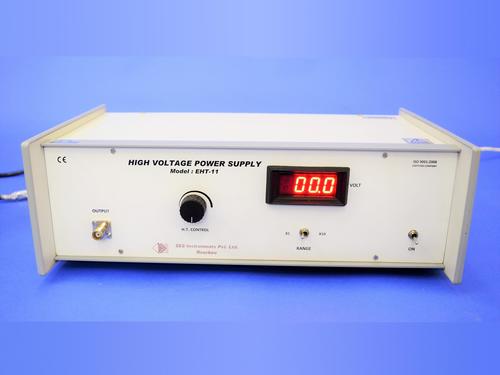
High Voltage Power Supply is designed to fulfill the power requirements of board range of radiation detectors. What makes it special or advance is that it has an in- build protection against accident overloading, low power consumption, Computer connectivity through SES-CAMM and many more features. This instrument is consists of a stable power oscillator whose output is controlled by an input signal. As a manufacturer and exporter,  High Voltage Power Supply device is designed to fulfill the power requirements of wide range of G.M. Counters, Scintillation Detectors, Photomultiplier Tubes and various other applications.

Specification  

Output

0-1500V continuously adjustable

Current

1mA (max.)

Polarity

+ve or -ve, as required

Regulation

+0.05% for 0 to 1mA load

Stabilization

+0.02% for +10% mains variation

Display

3 digit, 7 segment LED DPM

Connection

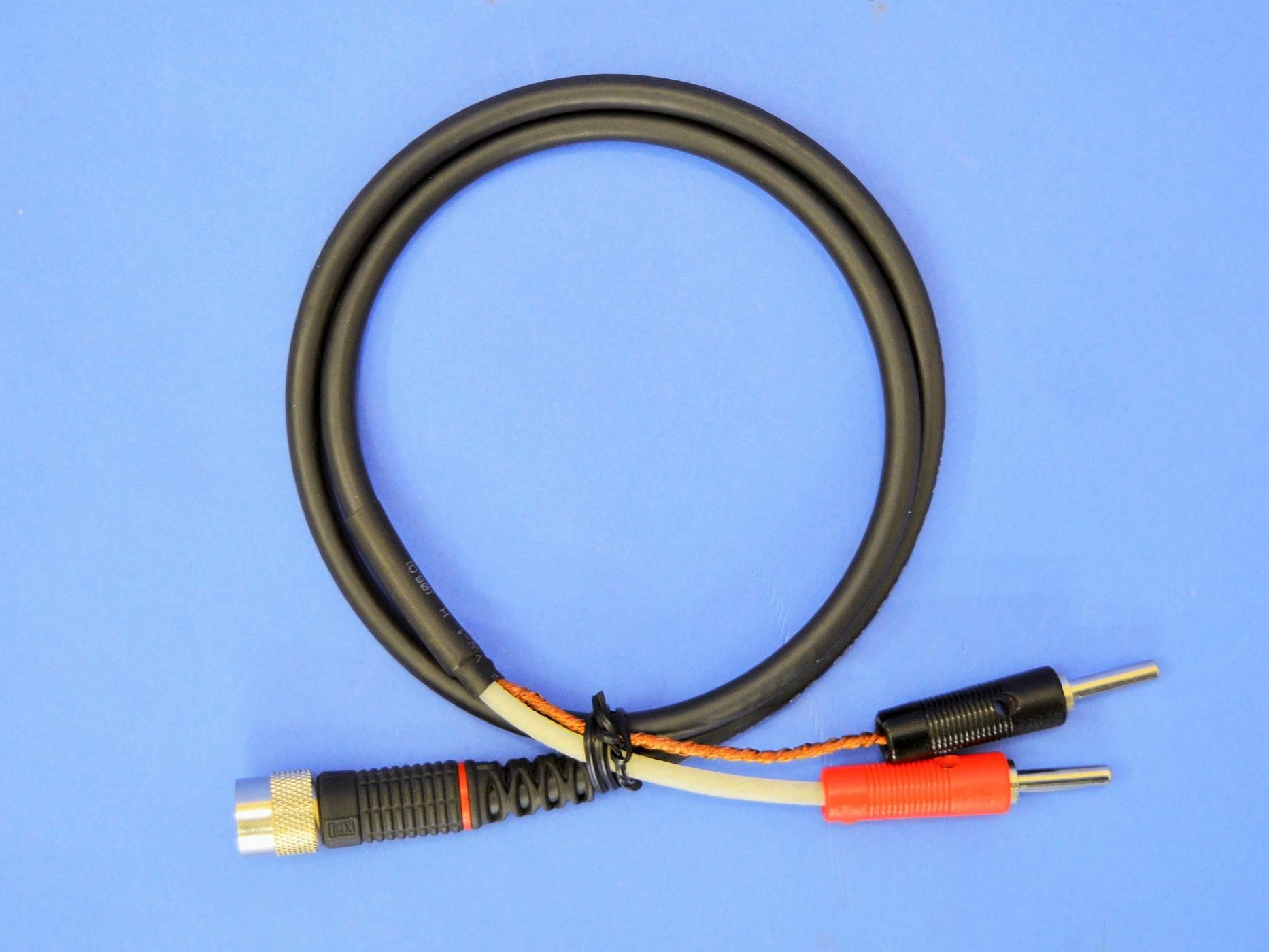
Output through a TNC connector on the front panel

Protection

Fully protected against overload and short circuit by current limiting technique

Interfacing

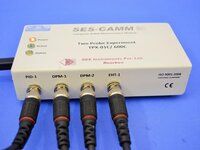
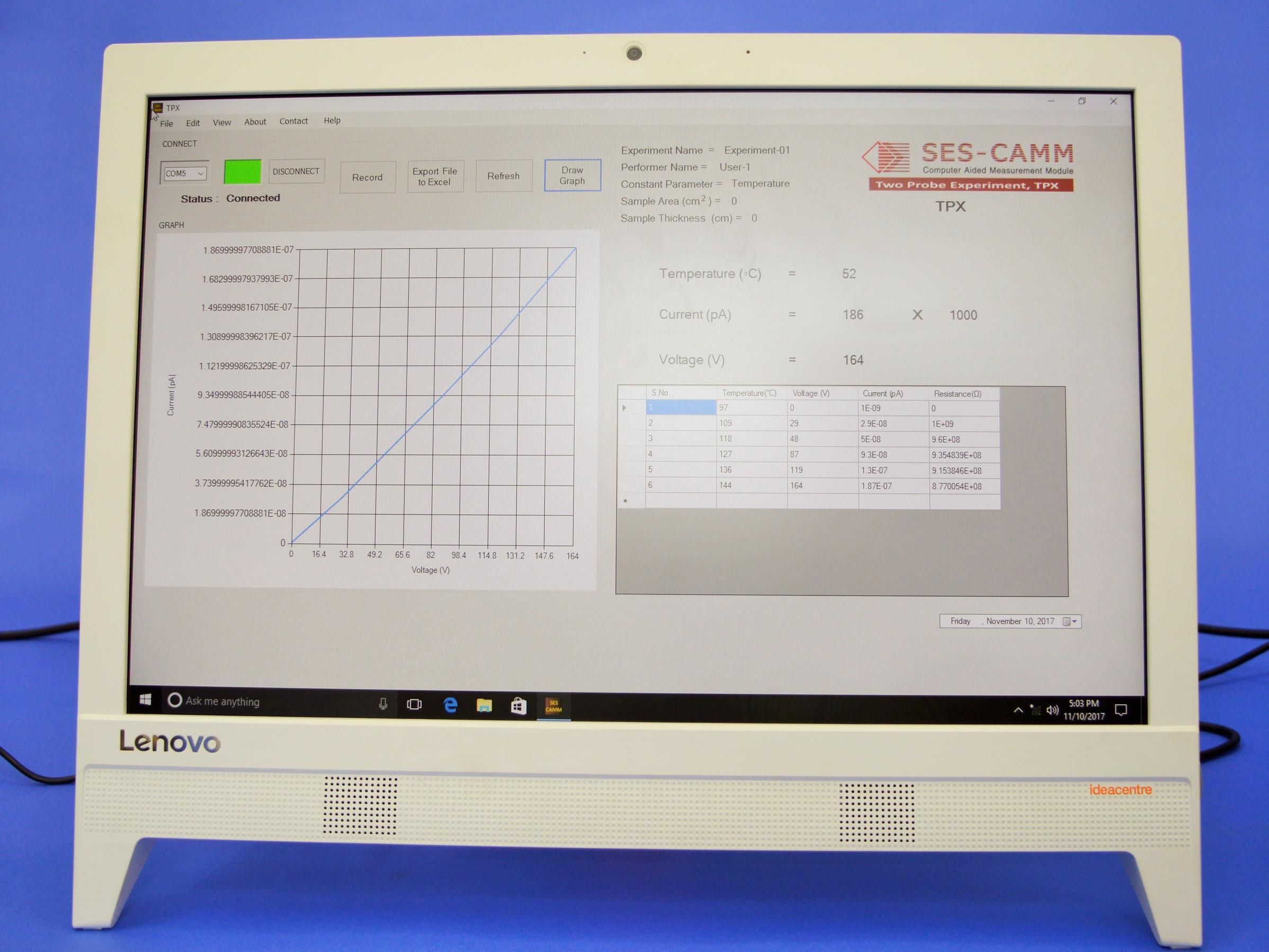
Through SES-CAMM module

Software

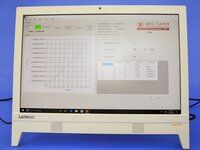
Software provide with SES-CAMM is Window compatible

Power requirements

220V +10%, 50Hz

Weight

8Kg

Dimensions

240mm X 390mm X 130mm


Reliable Power for Laboratory Needs

The EHT-11P-C1 serves as a steadfast power source for laboratory experiments, offering dependable voltage regulation and digital monitoring. Its sturdy electronics-based construction ensures long-term durability, making it ideal for research institutions and educational laboratories seeking high-quality components for precise experimental work.


User-Friendly Digital Display

A clear digital display on the EHT-11P-C1 allows users to easily monitor voltage settings, making adjustments in real time. The intuitive interface supports accurate experimental control, reducing user error and supporting productive laboratory workflows.

FAQ's of High Voltage Power Supply, Eht-11p-c1:


Q: How is the EHT-11P-C1 High Voltage Power Supply typically used in laboratories?

A: The EHT-11P-C1 is commonly utilized to provide stable high-voltage output for laboratory instruments and experiments. It is especially valuable in research settings where precise voltage control is essential for reliable and reproducible experimental results.

Q: What are the primary benefits of using the EHT-11P-C1 for laboratory experiments?

A: This power supply offers digital accuracy, consistent performance, and robust construction. With its digital display, users can easily monitor output, ensuring safety and precision during sensitive laboratory procedures.

Q: When should a laboratory consider using the EHT-11P-C1 model?

A: Laboratories that require stable high-voltage output for experiments or instrument operation should consider the EHT-11P-C1. It is particularly suitable for advanced research, teaching labs, and applications demanding rigorous control over electrical parameters.

Q: Where can the EHT-11P-C1 High Voltage Power Supply be sourced?

A: The EHT-11P-C1 is available through leading exporters, manufacturers, and suppliers in India, making it accessible for laboratories seeking reliable high-voltage solutions within the region or abroad.

Q: What process should be followed for safe operation of the EHT-11P-C1?

A: Users should ensure proper installation, confirm all connections are secure, and use the digital interface to adjust the voltage within the recommended range. Adhering to standard laboratory safety protocols further enhances operational safety.

Q: Can the EHT-11P-C1 support multiple types of laboratory equipment?

A: Yes, this power supply is versatile and compatible with a wide range of laboratory instruments, supporting diverse experiments and equipment that require controlled high-voltage input.

High Voltage Power Supply, Eht-11p-c1
 

More Similar High Voltage Power Supply, Eht-11p-c1

Four Probe Setup, DFP-RM-200N/ DFP-RM-200NC

Minimum Order Quantity : 1 Set

Four Probe Setup, DFP-RM-200N/ DFP-RM-200NC

Application:Laboratory use

Color:Grey

Display Type:Digital

Material:Electronics

Usage:Laboratory use

Know More

Four Probe Setup, Dfp-rm-200nc

Description

The Four Probe Method is one of the standard and most widely used method for the measurement of resistivity. In its useful form, the four probes are collinear. The error due to contact resistance, which is significant in the electrical measurement on semiconductors, is avoided by the use of two extra contacts (probes) between the current contacts. In this arrangement the contact resistance may all be high compare to the sample resistance, but as long as the resistance of the sample and contact resistances are small compared with the effective resistance of the voltage measuring device (potentiometer, electrometer or electronic voltmeter), the measured value will remain unaffected. Because of pressure contacts, the arrangement is also specially useful for quick measurement on different samples or sampling different parts of the sample.

Description of Experimental Set-up:

1. Probes Arrangement: It has four individually spring loaded probes. The probes are collinear and equally spaced. The probes are mounted in a bush, which ensure a good electrical insulation between the probes. A spacer near the tips is also provided to keep the probes at equal distance. The probe arrangement is mounted in a suitable stand, which also holds the sample plate and thermocouple sensor. This stand also serves as the lid of PID Controlled Oven. Proper leads are provided for the current and voltage measurements.

2. PID Controlled Oven: The unit is a high quality PID controller wherein the temperatures can be set and controlled easily. The P, l and D parameters are factory set for immediate use however the user may adjust these for specific applications as well as autotune the oven whenever required. The steps for these are given in the user manual. Although the controller may be used either for our small oven, up to 200C or a larger oven up to 600C, however,

in the present setup only small oven is to be used. The controller uses thermocouple as temperature sensor.

Specifications of the Temperature Controller: The controller is designed around Autonics Temperature Controller Model TZN4S. Although this is a very versatile piece of equipment, below is a summary of the specifications that are relevant to the present application. The PID parameters are factory

set to a reasonable level (P = 1.8; I = 300; D = 80) for immediate operation of the unit.

Temperature Range: -190C to 200C

Oven: Specially designed for Four Probe Set-Up

Display Accuracy: +-0.3C

Sensor: Thermocouple (Chromel-Alumel)

Setting Type: Front push buttons

Display: 7 segment LED, two rows

Control Method: PID, PIDF, PIDS

Values: Process Value, PV and Set Value, SV

Temperature control range: Ambient to 200C

Power: 150W

3. Control Unit of Four Probe Setup: The unit comprises of two sections a totally isolated constant current source, and a grounded voltage measurement system. Features of these two sections are described below in some detail.

(A) Constant Current Source:

It is an IC regulated current generator that is galvanically isolated from the rest of the circuit which is a basic requirement of four probe method. The isolation is achieved by using an optically coupled amplifier and associated circuits. This circuit sends a constant Current. To the changing resistance of the sample due to change in temp.

A judicious choice of the current setting as detailed in the user manual is necessary depending on the resistance value that is measured. Brief technical details of the current section are as under:

Current Range: 2 A, 20 A, 200 A, 2mA, 20mA and 200mA with over ranging

Open Circuit Voltage: 15V in the lower four ranges and 9V in the upper two

Accuracy : 0.25% of the reading 1 digit

4-line LCD display with indication when current needs decreasing


(b) Digital Voltmeter Section

The voltmeter is used to read the voltage developed between the middle pins of the four probe arrangement. A primary requirement is to have very high input resistance so that the measurement is not disturbed in case of high resistance samples. The input range of the voltmeter is thus limited by avoiding the use of any potential divider. Brief technical details are as under:

Voltage Range: 2mV, 20 mV, 200 mV, 2V with over ranging

Manual adjustment of Offset Voltage whenever current/voltage range is changed

Accuracy : 0.25% of the reading 1 digit

4-line LCD display with over voltage indication

In addition to the above, the Four Probe Setup as well as the PID Oven Unit may be connected to a computer for data logging purposes. Necessary hardware and software are included in the system.

The setup is complete in itself.


Advanced Digital Measurement

This Four Probe Setup provides high-precision digital readouts, allowing researchers to evaluate semiconductor resistivity with reliable accuracy. The intuitive interface streamlines data collection, making it ideal for laboratory environments where precision is paramount.


Robust Laboratory Construction

Engineered from durable electronic materials and finished in grey, the setup is built to withstand rigorous laboratory usage. Its 30 kg weight ensures stability during experiments and supports long-term operational integrity in demanding lab settings.

FAQs of Four Probe Setup, DFP-RM-200N/ DFP-RM-200NC:


Q: How is the Four Probe Setup DFP-RM-200N/DFP-RM-200NC used in laboratory environments?

A: This setup is used to measure the resistivity of semiconductor specimens by deploying four precisely aligned probes. Users place the sample on the system stage and follow the digital instructions to conduct accurate electrical characterization for research and educational purposes.

Q: What applications does the Four Probe Setup serve in laboratories?

A: Primarily, the system is used to assess the electrical properties of materials such as semiconductors. Its applications span research development, teaching demonstrations, and quality control testing in scientific laboratories.

Q: When should researchers choose the DFP-RM-200N/DFP-RM-200NC for their experiments?

A: Researchers should utilize this model when high accuracy and stable measurements are essential for studies involving material conductivity and resistivity, especially in contexts requiring repeatable and reliable results.

Q: Where is the Four Probe Setup manufactured and supplied from?

A: The Four Probe Setup is produced, exported, and supplied by a professional manufacturer in India, catering to domestic and international laboratory requirements.

Q: What is the process for conducting measurements with this digital probe setup?

A: The process involves preparing the sample, mounting it on the probe platform, adjusting probe alignment, and following the digital display prompts to initiate and record measurements. Users benefit from straightforward operation and consistent results.

Q: What are the main benefits of using the Four Probe Setup in laboratory experiments?

A: Key benefits include high measurement accuracy, durable construction suitable for repeated usage, digital data readout for easy analysis, and reliable support from an experienced Indian exporter and supplier.

Compensation Design, Cd-02

Minimum Order Quantity : 1 Piece

Compensation Design, Cd-02

Application:Control Laboratory Experiment

Color:Grey

Display Type:Digital

Material:Electronics

Type:Control Lab Trainer

Know More

 Compensation Design, Cd-02

To grow our presence in current business stream, we are engaged as manufacturer, supplier and exporter of Compensation Design in Roorkee, Uttarakhand, India.

# Design and test cascade compensator

# Simulated system for accurate results

# Built-in compensator gain only passive external components needed

# Built-in signal sources

Features and Specifications:

* Simulated uncompensated system having adjustable damping. Peak percent overshoot MP, variable from 20% to 50%, and steady state error variables from 50% to 0.5%

* Compensation network implementation through built-in variable gain amplifier. Gain is adjustable from 1 to 11

* Built-in square and sine wave generators for transient and frequency response studies. Frequency adjustable from 25Hz - 800Hz (approx.)

* 220V(+-)10%, 50Hz mains operation

* Complete in all respects, except a measuring CRO


Precision in Control Laboratory Experiments

The CD-02 Control Lab Trainer supports precise and reliable control laboratory experiments, enabling users to simulate various compensation designs efficiently. This instrument aids in deeper learning and analysis by offering robust digital displays and easy interface, making it an indispensable asset for academic and industrial laboratories.


Robust Build for Long-Term Laboratory Use

Crafted from durable electronic components, the CD-02 is built to withstand continuous laboratory use. Its substantial weight options (8 kg or 20 kg) ensure stability, while the grey color offers a professional finish. This trainer is engineered for longevity, providing consistent performance through repeated experimental cycles.


India-Based Manufacturer, Exporter & Supplier

As a leading manufacturer, exporter, and supplier of laboratory instruments from India, we guarantee the quality and reliability of the Compensation Design CD-02. Our rigorous manufacturing standards ensure each unit meets international benchmarks, making us a preferred partner for labs worldwide.

FAQ's of Compensation Design, Cd-02:


Q: How is the Compensation Design CD-02 used in control laboratory experiments?

A: The CD-02 functions as a control lab trainer, allowing users to set up and execute compensation design experiments. It helps model and manage system responses, giving students and researchers hands-on insight into advanced control techniques using its digital display interface.

Q: What materials are used to construct the CD-02, and why are they important?

A: The CD-02 is made from high-grade electronics, chosen for their durability and performance. These materials ensure reliable operation across intensive laboratory sessions and provide stable support for complex experiments.

Q: When is the best time to use the CD-02 in a research or educational setting?

A: The CD-02 is ideal for use during instructional laboratory sessions, advanced coursework, and research projects focused on control systems. It is particularly useful when precision and repeatability are critical to the experimental outcome.

Q: Where is the Compensation Design CD-02 manufactured and exported from?

A: This trainer is manufactured and exported from India by a company specializing in laboratory instruments. The location ensures access to skilled expertise and global quality standards.

Q: What is the process for installing and operating the CD-02 in a laboratory?

A: Installation involves securely placing the unit on a stable surface due to its weight, connecting necessary inputs, and powering up the digital display. Operation is guided by included documentation, with intuitive controls supporting setup and experiment execution.

Q: How does using the CD-02 benefit laboratory experiments and training?

A: Employing the CD-02 enhances comprehension of compensation design and control systems by offering accurate digital displays and a hands-on approach. This results in better experiment repeatability, improved learning outcomes, and more reliable research data.

Q: Can the CD-02 accommodate different experimental requirements?

A: Yes, the CD-02 comes in two weight variants (8 kg and 20 kg), allowing for flexible laboratory layouts and varied experiment scales, making it suitable for both small and large laboratory environments.

High Voltage Power Supply, Eht-11

Minimum Order Quantity : 1 , , Piece

High Voltage Power Supply, Eht-11

Application:Laboratory Experiment

Color:Grey

Dimension (L*W*H):240mm X 390mm X 130mm Millimeter (mm)

Display Type:Digital

Material:Electronics

Know More

High Voltage Power Supply, Eht-11 

We manufacture, export and supply HIGH VOLTAGE POWER SUPPLY to our clients in Roorkee, Uttarakhand, India. Power supply, EHT-11 principle of operation is entirely different from conventional supplies, and thereby eliminating many drawbacks; bulky high voltage transformer, need of high voltage components and excessive heating of components etc., associated with them. This power supply consists of a stable power oscillator whose output is controlled by an input signal. The output of this oscillator is boosted with the help of a step up transformer and then rectified and filtered. A portion of this output is compared with a high stability, temperature compensated reference and the error signal is used in the feedback path to control the oscillator's output.

There is a built-in protection against accidental overloading.

For high reliability, compactness and ruggedness, integrated circuits are extensively used along with a few discrete silicon devices. The components are mounted in a glass epoxy printed circuit card.

We have uniquely positioned ourselves as a dependable organization, engaged in offering a qualitative collection of High Voltage Power Supply. Our offered range is capable of finding extended applications in general laboratory and R&D labs. The range, offered by us is fabricated employing pneumatic mechanism and latest tools at our ultra-modern lab. Furthermore, the offered range is tested rigorously under the strict inspection of our quality analysts in order to eliminate defects, if any.

Highlights:

  • Continuously variable
  • Electronically regulated
  • Fully solid state circuit
  • Low power consumption

Applications:

EHT-11 is designed to meet the power requirements of a broad range of radiation detectors: G.M. Counters, lonization Chambers, Scintillation Detectors, Photo-multiplier Tubes and any application where a high voltage source with high degree of regulation and stability is required.

Specifications:

  • Output: 0-1500V continuously adjustable
  • Current: 1mA (max.)
  • Polarity: +ve or -ve, as required
  • Regulation: 0.05% for 0 to 1mA load
  • Stabilization0.02% for 10% mains variation
  • Display: 3 digit, 7 segment LED DPM
  • Connection: Output through a amphenol connector on the front panel
  • Protection: Fully protected against overload and short circuit by current limiting technique
  • Power requirements: 220V10%, 50Hz


Precision Power Delivery

The EHT-11 High Voltage Power Supply stands out for its accuracy and consistency, fundamental for conducting reliable laboratory experiments. Designed to handle the sensitive needs of laboratory instruments, its digital display allows for clear monitoring and control of voltage output, ensuring experimental integrity and repeatable results every time.


Robust Design for Laboratory Use

Engineered with sturdy electronic materials and finished in a professional grey, the EHT-11 is built for durability and sustained use in demanding laboratory environments. Its compact size ensures easy installation on any standard laboratory bench, while weights of 5 kg and 20 kg provide flexible options for different lab setups.

FAQ's of High Voltage Power Supply, Eht-11:


Q: How is the EHT-11 High Voltage Power Supply used in laboratory experiments?

A: The EHT-11 is primarily used to provide stable and adjustable high voltage for a variety of laboratory instruments and experiments. Its digital interface allows users to set precise voltage levels, supporting tests and measurements that require consistent power supply.

Q: What materials are used in the construction of the EHT-11 High Voltage Power Supply?

A: This power supply is built with quality electronic components and a robust, grey-colored enclosure, ensuring both electrical safety and mechanical durability required for laboratory environments.

Q: When should I opt for the 5 kg versus the 20 kg model of the EHT-11?

A: Choose the 5 kg version for standard benchtop usage or portable experimental setups. The 20 kg model is recommended for more permanent installations or where additional stability and capacity are desired.

Q: Where can I purchase the EHT-11 High Voltage Power Supply?

A: The EHT-11 is available through exporters, manufacturers, and suppliers based in India. Contact a trusted laboratory equipment distributor or the manufacturer directly for procurement options.

Q: What is the process for setting up and operating the EHT-11?

A: Setup is straightforward: position the unit on a stable surface, connect it to your laboratory instrument, set the desired voltage using the digital display, and follow the user manual for operational safety and best practices.

Q: What are the primary benefits of using the EHT-11 for laboratory work?

A: The EHT-11 offers high precision, dependable voltage output, and user-friendly controls, enhancing experimental consistency and safety. Its rugged build and digital interface make it an ideal choice for a wide range of laboratory applications.

Temperature control System, TCS-302

Minimum Order Quantity : 1 Set

Temperature control System, TCS-302

Application:Control Lab Trainer

Color:Grey

Display Type:Digital

Material:Electronics

Type:Control Lab Trainer

Know More

Temperature control is an important application of control theory to industrial processes. This experiment has been designed to expose the students to such a practical control system, its various stages for control, and the tuning of a PID controller. The process consists of a small and fast responding oven which can be controlled in the temperature range from ambient to about 90oC. Temperature readings may be taken manually on a 3 digit meter, mounted on the main unit, at regular intervals. A built-in digital timer having START, STOP and PAUSE switches on the panel makes the conduct of an experiment very simple. This design of the oven avoids expensive accessories like an X-Y recorder for conducting the experiment. A forced cooling arrangement has been provided to bring the oven temperature down to room temperature after every experiment. Since the oven may be cooled to the ambient relatively speedily, a number of cycles of experimentation are possible in the usual laboratory hours.


The oven is connected to the main unit through a four pin connector, two for the sensor output and the others for controller output to the heater. The main unit has provisions for configuring any type of controller such as P, PI, PD, PID or ON-OFF, and has potentiometer controls for PID coefficient settings. All supplies and metering system are built-in and no accessories are required. Open loop response of the oven is obtained by applying a step command with feedback disconnected. Temperature readings are noted and the plot so obtained provides the characteristics of the oven, i.e., its time constant and time delay.


The simplest form of controller is a relay which switches the oven ON and OFF. Presence of hysteresis is essential for avoiding excessive relay switching, of course at the cost of accuracy. The performance is studied here for the two hysteresis settings of the built- in electronic relay.


PID controllers may be set or tuned by many different methods. In this experiment the design method of Ziegler- Nichol is suggested for setting the coefficient potentiometers and the resulting response curve is studied. Other methods may also be used equally easily.


The literature accompanying the unit describes in detail the mathematical concepts, procedure for experiments and a few test results. A number of additional experiments may also be planned by the teacher using books and literature on this subject which is suggested in the references given.


All the above experiments may also be conducted on a PC through MATLAB using our optional interfacing accessory available along with the necessary literature.


Cutting-Edge Digital Display

The TCS-302 comes equipped with a digital display that offers accurate, real-time monitoring of temperature levels. This feature allows users to observe fluctuations and setpoints with clarity, making it an ideal choice for detailed demonstrations and experiments in control labs.


Durable and Reliable Construction

Constructed from high-quality electronic materials, the TCS-302 is built to withstand frequent handling in busy lab environments. Its robust design ensures longevity and consistent performance, lending itself well to repeated academic or research applications.


Optimized for Educational Use

Specially designed as a control lab trainer, the TCS-302 enables hands-on learning experiences. It helps students and researchers explore the dynamics of temperature control systems, making complex concepts more accessible and interactive.

FAQ's of Temperature control System, TCS-302:


Q: How is the TCS-302 Temperature Control System operated in a lab setting?

A: The TCS-302 is user-friendly and operates via a digital interface. Users can set target temperatures, monitor current readings on the digital display, and observe system responses to control actions. Its intuitive controls make it suitable for both teaching and experimental research.

Q: What are the key benefits of using the TCS-302 for control lab training?

A: The TCS-302 offers precise temperature regulation, clear real-time feedback through its digital display, and robust construction. These features enhance hands-on learning, making temperature control concepts tangible for students and facilitating reliable experimental outcomes for researchers.

Q: When should I use the TCS-302 Temperature Control System?

A: The TCS-302 is ideal for use during laboratory sessions focused on temperature regulation, control system theory, and practical demonstrations. It helps illustrate feedback principles, response times, and control accuracy in a controlled environment.

Q: Where is the TCS-302 manufactured and supplied from?

A: The TCS-302 is manufactured and supplied in India, serving customers domestically as well as internationally as an exporter, manufacturer, and supplier.

Q: What is the recommended process for setting up the TCS-302 in a control lab?

A: To set up the TCS-302, position the unit on a stable surface, connect it to a compatible power source, and follow initial calibration instructions provided in the manual. The digital interface guides you through temperature set-up and operational procedures.

Q: Who can benefit from using the TCS-302 lab trainer?

A: Students, educators, and researchers in engineering, physics, and applied sciences benefit from the hands-on demonstrations and real-time data the TCS-302 provides, enhancing both learning outcomes and research capabilities.

Study Of Planck's Constant, PCA-01

Minimum Order Quantity : 1 Set

Study Of Planck's Constant, PCA-01

Application:Laboratory Instruments

Color:Grey

Display Type:Digital

Material:Electronics

Usage:Laboratory Instruments

Know More

Study Of Planck's Constant, Pca-01

We offer Study of Planck's Constant very useful for Physics and Material Science labs. Several proposals to measure the Plancks Constant for didactic purposes, using the current voltage (I-V) characteristics of a light emitting diode (LED) have been made quite regularly in the last few years. The physical interpretation however is not completely clear and this has raised many discussions, which have been published almost with same regularity as the proposals themselves.

the present experiment is based on diode current for V0, using the diode law.

l = l0 exp [-e(V0 V)/kT]

where, e is electronic charge, k is Boltzmann constant, T is absolute temperature and h is material constant which depends on the type of diode, the location of recombination region, etc.

The correct method to determine the real height of the potential energy barrier V0 is to directly measure the dependence of the current on temperature keeping the applied voltage V slightly below V0.

Compare with previous methods, this determination of V0 is more precise and more accurate and at the same time the physical interpretation is more transparent. The Plancks constant is then obtained by the relation

h = e V0/c

The set-up is a self contained unit. All the necessary facilities and measuring devices are built in a single unit, as a result only minimum of external connections need to be made.

Dependence of current (I) on temperature (T) at constant applied voltage (V)

The following facilities are built in for this

Current Meter:

  • A highly stable current source with 3 digit display.
  • Range: 0-2mA with resolution of 1mA

Oven, PCA-01:

  • It is a small temperature controlled oven with built-in RTD sensor.
  • Temperature adjustable from ambient to 338K
  • Digital display of temperature
  • High stability 1K
  • Variable Voltage Source (0-2V)
  • A high stability voltage source with 3 digit display.

Material Constant:

To draw I-V characteristics of LED for determination of a variable voltage source and a current meter are provided with 3 digit display.

The wavelength of light emitted by LED:

These are taken from LED datasheet or measured by a transmission grating, and are provided with the set of LEDs.

The experiment is complete in all respect.


Accurate Digital Measurement

The PCA-01 offers a digital display, enabling precise and straightforward readings during laboratory experiments. Its advanced electronics ensure consistent and reliable data, making it ideal for physics students and researchers analyzing Planck's constant.


Durable and User-Friendly Design

Manufactured with robust electronic materials, the PCA-01 is engineered for longevity and easy handling. With its grey finish and solid construction, the instrument can withstand regular use in busy academic or research environments.


Versatile Laboratory Application

Suitable for laboratory experiments and demonstrations, the PCA-01 serves as a valuable teaching aid. Its design fosters practical understanding, supporting both theoretical analysis and hands-on learning in electronics and physics courses.

FAQ's of Study Of Planck's Constant, PCA-01:


Q: How is the Study of Planck's Constant PCA-01 used in laboratory settings?

A: The PCA-01 is employed in laboratories for experiments that require the determination of Planck's constant. Users follow detailed procedures to set up the instrument, conduct the measurements, and interpret the digital outputs for accurate results.

Q: What benefits does the PCA-01 offer for students and researchers?

A: This instrument provides precise, digital measurements, enhancing clarity and comprehension during experiments. Its reliable construction and straightforward controls make it suitable for both educational demonstrations and advanced research purposes.

Q: When should the PCA-01 be calibrated or maintained?

A: It is recommended to calibrate and maintain the device regularly, especially before important experiments or at scheduled intervals mentioned in the user manual, to ensure continued accuracy and performance.

Q: Where is the PCA-01 manufactured and supplied from?

A: The PCA-01 is manufactured, exported, and supplied in India by a reputable laboratory equipment provider, ensuring quality and compliance with industry standards.

Q: What is the process for conducting experiments with the PCA-01?

A: Experiments typically involve assembling the instrument, following the laboratory protocol for measuring Planck's constant, and using the digital display to collect and analyze data precisely.

Q: What warranty and after-sales support are available for the PCA-01?

A: The PCA-01 comes with a one-year warranty that covers manufacturing defects. Additional support is available through the manufacturer's service channels for troubleshooting and maintenance needs.

Study Of Thermoluminescence Of F-centers Tlx-02

Application:Laboratory Experiment

Color:Grey

Display Type:Digital

Material:Electronics

Usage:Laboratory Experiment

Know More

Study Of Thermoluminescence Of F-centers Tlx-02 

Operating with an goal to achieve numerous requirements of the buyer, we are indulged in exporting, manufacturing and supplying of Study of Thermoluminescence of F-Centers in Roorkee, Uttarakhand, India.

The experiment consists of the following:

EXPERIMENTAL SET-UP FOR CREATING THERMOLUMINESCENCE

  • Sample: KBr or KCl single crystal
  • Thermolumniscence Temperature Meter, TL-02
    • Digital Thermometer
    • Oven Power Supply
  • Sample Holder
  • Thermoluniscence Oven (0-423K)
  • Black Box


FOR MEASUREMENT OF LUMINESCENCE INTENSITY

  •  Photomultiplier tube: R11558
  • PMT Housing with biasing circuit and coaxial cables etc.
  • High Voltage Power Supply, Model: EHT-11
    • Output : 0-1500V variable (1mA max.)
    • Regulation : 0.05%
    • Display: 3 1/2 digit 7-segment LED
  • Nanoammeter, Model DNM-121
    • Range : 100nA to 100mA full scale in 4 ranges
    • Accuracy : 0.2%.


Display: 3 1/2 digit 7-segment LED


Precision Instrument for Materials Research

The TLX-02's digital display technology and durable build make it an ideal choice for laboratory environments exploring electronic material properties. Researchers benefit from accurate and reproducible results essential for advanced studies.


Application in Laboratory Experiments

This instrument is primarily used in material science laboratories to investigate thermoluminescence in F-centers, contributing to a deeper understanding of defect centers and their applications in electronics.


Reliable, Made-in-India Laboratory Solution

As an exporter, manufacturer, and supplier based in India, the TLX-02 assures quality, reliability, and timely delivery, supporting laboratories both domestically and internationally.

FAQ's of Study Of Thermoluminescence Of F-centers Tlx-02:


Q: How is the Study of Thermoluminescence of F-centers TLX-02 utilized in laboratory experiments?

A: The TLX-02 is used by researchers to analyze thermoluminescent signals from F-centers in electronic materials, providing valuable data on defect structures. The instrument's digital display aids in collecting accurate and real-time measurements during experiments.

Q: What materials and features does the TLX-02 laboratory instrument offer?

A: The TLX-02 is constructed with high-quality electronic materials, finished in grey, and weighs 25 kilograms. It features a digital display, ensuring clarity and precision in measurements during laboratory experiments.

Q: When should the TLX-02 be used in a research setting?

A: The TLX-02 is ideal for usage during advanced studies of material defects, especially when investigating thermoluminescence in solid-state electronics or when detailed analysis of F-centers is required.

Q: Where is the TLX-02 manufactured and supplied from?

A: The TLX-02 is manufactured, supplied, and exported from India, catering to the needs of laboratories and research institutions both within the country and internationally.

Q: What is the process of conducting an experiment with the TLX-02?

A: Using the TLX-02 involves preparing the electronic material sample, placing it within the instrument, and following the experiment protocols to observe and record the thermoluminescent responses via the digital display.

Q: What are the main benefits of using the TLX-02 for laboratory experiments?

A: The TLX-02 provides accurate, real-time digital measurements, enhanced material defect analysis, and sturdy construction, making it an invaluable tool for research labs focused on electronic material properties.

Share a Quick Message with us
Enter Buying Requirement Details

Requirment is not provided for the inquiry

Mobile number

Mobile no is not provided for the inquiry

Email

Email is not provided for the inquiry

call Send Inquiry whatsapp

WhatsApp

Get Latest Price

 
close
Tell us about your requirement
product

Price: Â

Quantity
Select Unit

  • 50
  • 100
  • 150
  • 200
  • 250
  • 300
Additional detail
Mobile number

Email