 English
 Spanish
 French
 German
 Italian
 Chinese (Simplified)
 Japanese
 Korean
 Arabic
 Portuguese
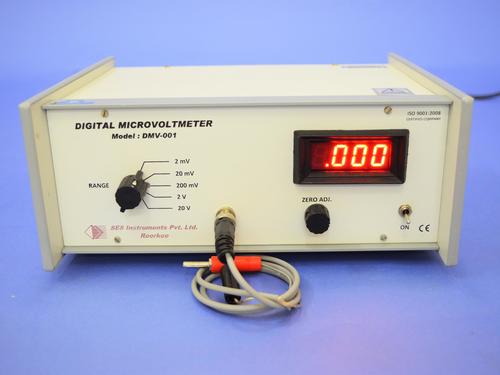
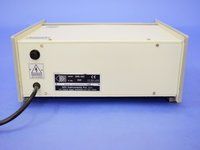
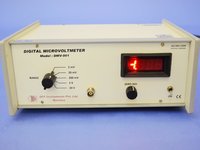
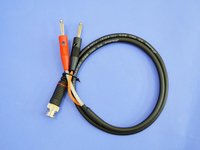
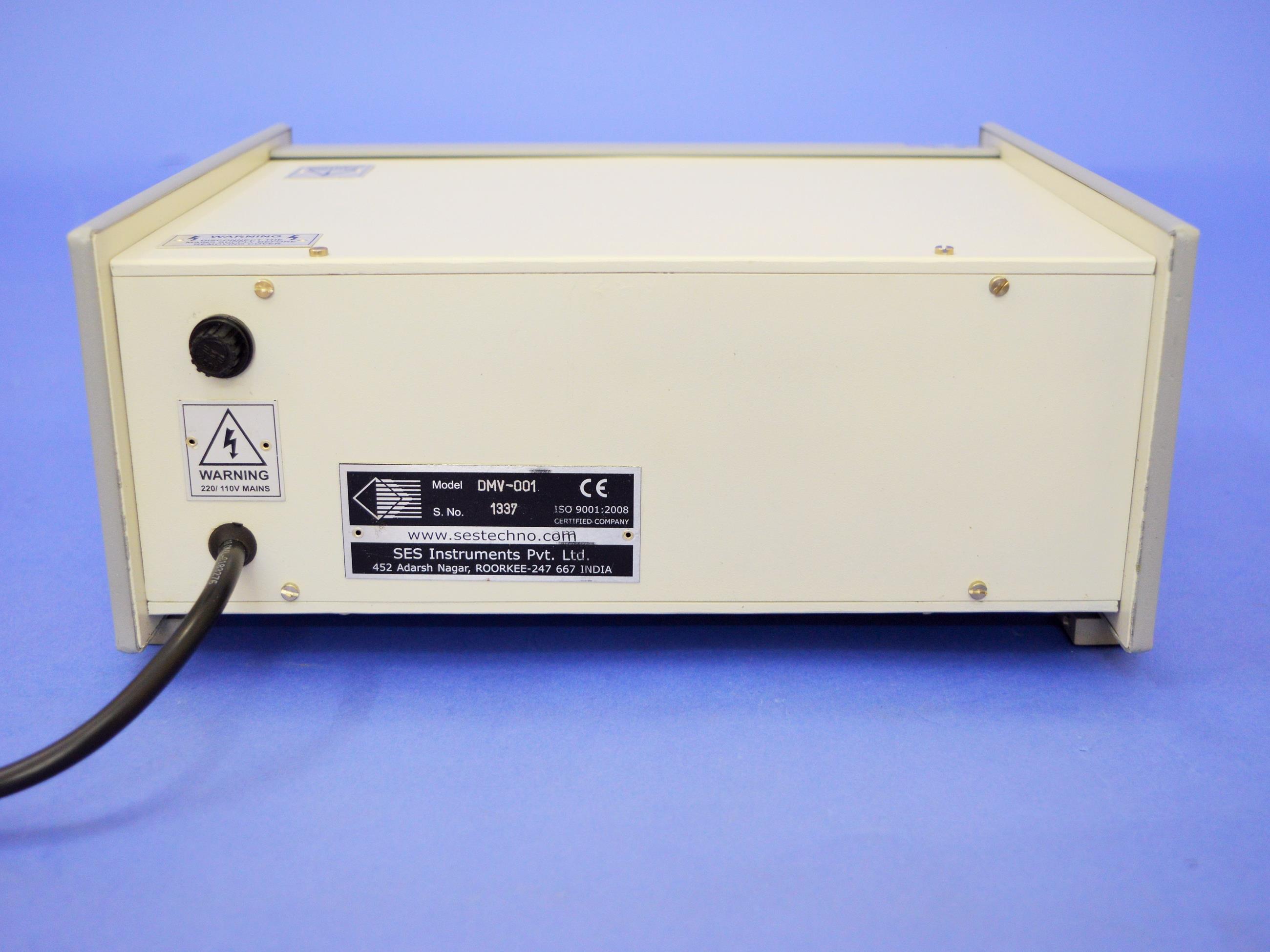
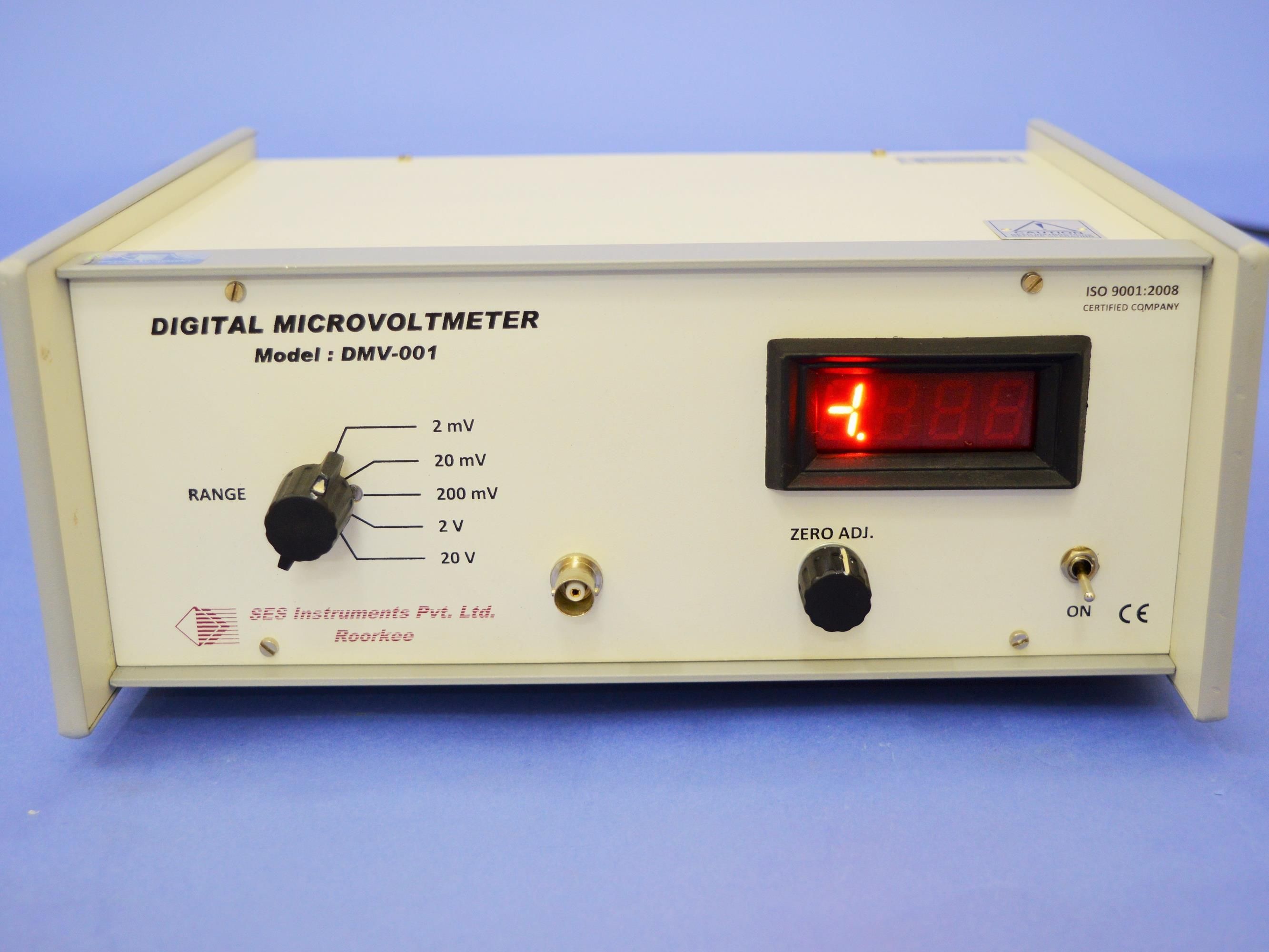
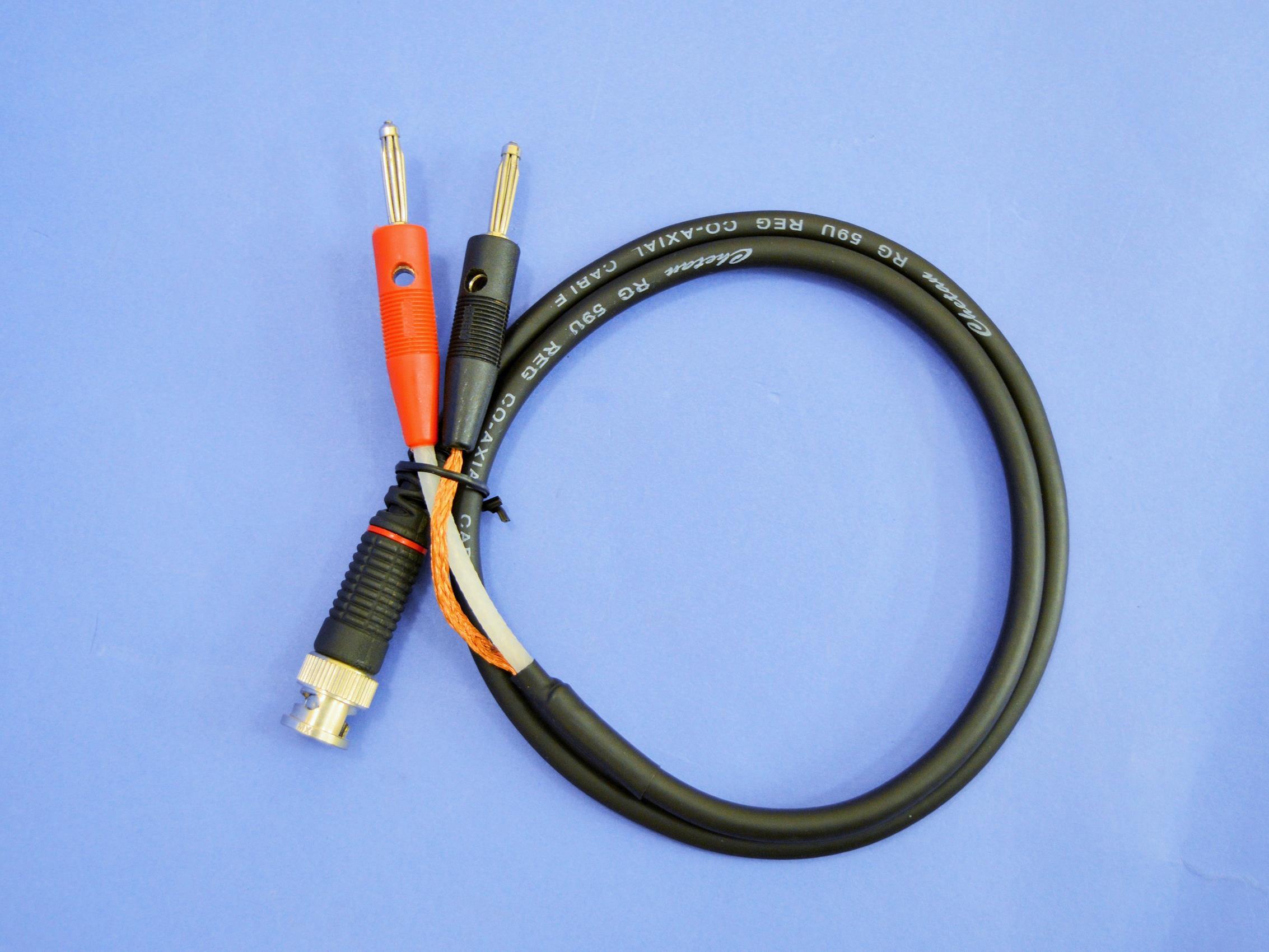
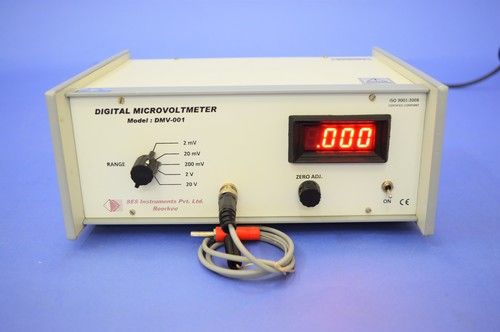
Digital DC Microvoltmeter, DMV-001
Product Details:
- Material Physics Material Science
- Application Laboratory Experiment
- Usage Laboratory Experiment
- Color Grey
- Weight 20 Kg Kilograms (kg)
- Display Type Digital
- Click to View more
X
Digital DC Microvoltmeter, DMV-001 Price And Quantity
- 1 , , Piece
Digital DC Microvoltmeter, DMV-001 Product Specifications
- Digital
- Laboratory Experiment
- 20 Kg Kilograms (kg)
- Laboratory Experiment
- Grey
- Physics Material Science
Digital DC Microvoltmeter, DMV-001 Trade Information
- Cash Against Delivery (CAD), Cash on Delivery (COD), Cash Advance (CA), Cash in Advance (CID), Cheque, Delivery Point (DP), Telegraphic Transfer (T/T)
- 100 , , Piece Per Month
- 1 Week
- Contact us for information regarding our sample policy
- Complete in all respect
- Australia, South America, Eastern Europe, Western Europe, Middle East, Central America, Asia, North America, Africa
- All India
- ISO 9001: 2015 CE
Product Description
Digital DC Microvoltmeter is a very low drift device which is a mutipurpose instrument for measuring low DC voltage. It has 3 digital panel meter for better accuracy and reading. This devices uses a advance designed chopper for IC amplifier. It provides low offset and input bias parameters with excellent speed characteristics. This IC regulated device is provided to reduce the line pickups of 50hz. Available in different technical specifications, our Digital DC Microvoltmeter is offered to our customers in different technical specifications.
Applications
- DC voltage measurements from high impedance sources; output of photomultiplier tubes, photocells, radiation detector etc.
- This device has less voltage measurement, direct measurement of thermo couple output to read temperatures with a resolution of 1/40th of a degree (Chromel-Alumel).
- Used in general purpose laboratory instrument for voltages upto 19.99V DC. (Hall Effect, Four Probe, Thermoluminescence, Transistor and Diode characteristics etc.
Details
|
Display |
3 digit, 7 segment LED with autopolarity and decimal indication |
|
Power Supply |
220V +10%, 50Hz |
|
Weight |
2.5Kg |
|
Dimensions |
245mm X 280mm X 120mm |
Precision Measurement for Laboratory Experiments
Designed for accuracy, the DMV-001 Digital DC Microvoltmeter enables researchers and educators to measure microvolt-level signals with confidence. Its sensitive detection capabilities make it ideal for use in physics and material science laboratories, providing dependable results during experimentation.
Robust Build and Versatile Applications
Constructed from durable materials, this microvoltmeter withstands the rigors of routine laboratory use. It is available in multiple weights to meet varied research needs and is suited for measurements in both academic and industrial settings. Exported and supplied throughout India, it is trusted by scientists and engineers alike.
FAQ's of Digital DC Microvoltmeter, DMV-001:
Q: How is the Digital DC Microvoltmeter DMV-001 used in laboratory experiments?
A: The DMV-001 is employed to measure very low direct current voltages during laboratory experiments, particularly within physics and material science disciplines. Users simply connect the sample or test setup to the microvoltmeter and observe accurate readings on the digital display.Q: What benefits does the DMV-001 offer for research and experimentation?
A: This microvoltmeter provides high sensitivity, digital precision, and reliable performance, enhancing the accuracy of voltage measurements in experiments. Its versatility in application makes it valuable for both routine and advanced scientific investigations.Q: When should I choose the DMV-001 microvoltmeter for my laboratory?
A: Opt for the DMV-001 when experiments require precise detection of microvolt signals, especially in physics or materials science research. Its robust design and dual weight options allow custom selection based on your lab's requirements.Q: Where is the DMV-001 manufactured and supplied?
A: The DMV-001 Digital DC Microvoltmeter is manufactured and supplied by dedicated exporters, manufacturers, and suppliers across India. It is readily available to laboratories nationwide for academic and industrial use.Q: What is the process for obtaining accurate readings with the DMV-001?
A: To secure accurate readings, the test sample should be properly connected to the microvoltmeter following standard laboratory procedures. Users then power on the unit and monitor the voltage values displayed digitically, ensuring minimal interference for highest precision.Q: Can the DMV-001 be used in different laboratory setups, and what makes it suitable?
A: Yes, the DMV-001 can be integrated into various laboratory configurations. Its durability, multiple weight options, and specialized materials guarantee compatibility with a broad range of experiments and research applications.Q: How does the digital display improve usage over analog alternatives?
A: The digital display of the DMV-001 enhances user experience by presenting clear, easy-to-read measurements, reducing the chance of human error and facilitating more precise data collection compared to traditional analog microvoltmeters.Tell us about your requirement

Price:
Quantity
Select Unit
- 50
- 100
- 200
- 250
- 500
- 1000+
Additional detail
Mobile number
Email

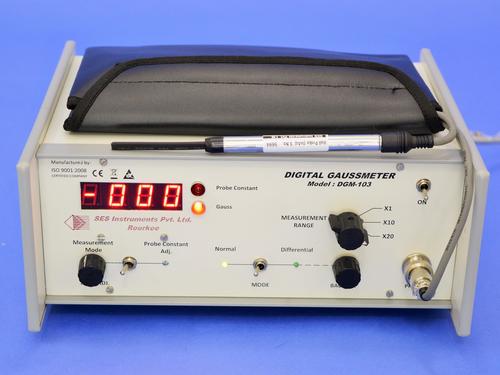
Other Products in 'General Laboratory Instruments' category



Contact Details

- Building 452, Adarsh Nagar,Roorkee - 247667, Uttarakhand, India
- Phone : 07313725920

- Mr Ravi Prakash (Director)
- Mobile :07313725920
- Send Inquiry
- Landline : 91-1332-277118/ 272852
Direct No. :+919837072750
 Send Inquiry
 Send Inquiry
 Send SMS
SES INSTRUMENTS PVT. LTD.
All Rights Reserved.(Terms of Use)
Developed and Managed by Infocom Network Private Limited.
Developed and Managed by Infocom Network Private Limited.

