 English
 Spanish
 French
 German
 Italian
 Chinese (Simplified)
 Japanese
 Korean
 Arabic
 Portuguese
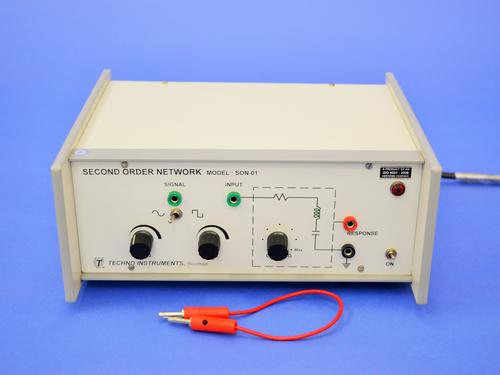
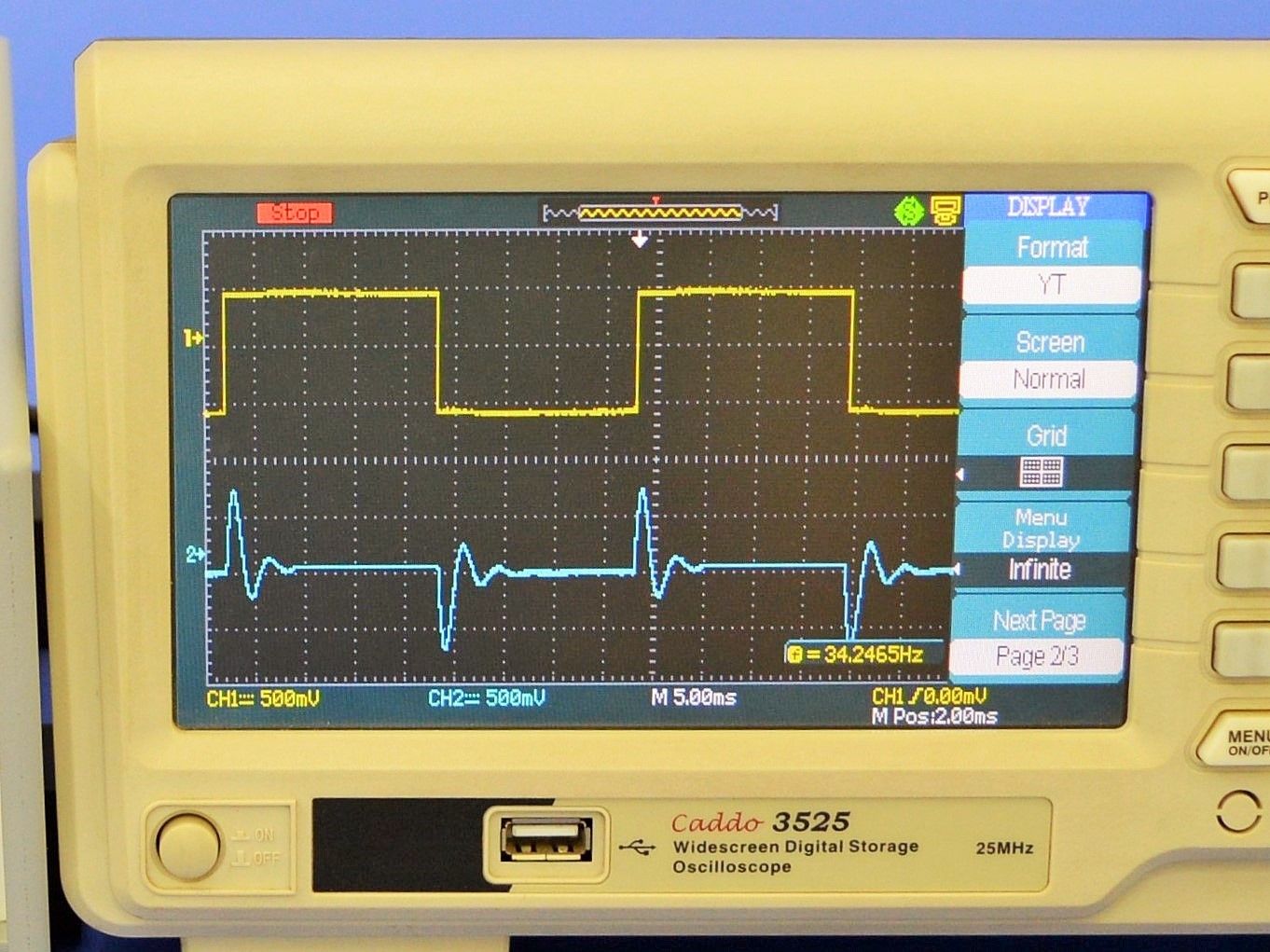
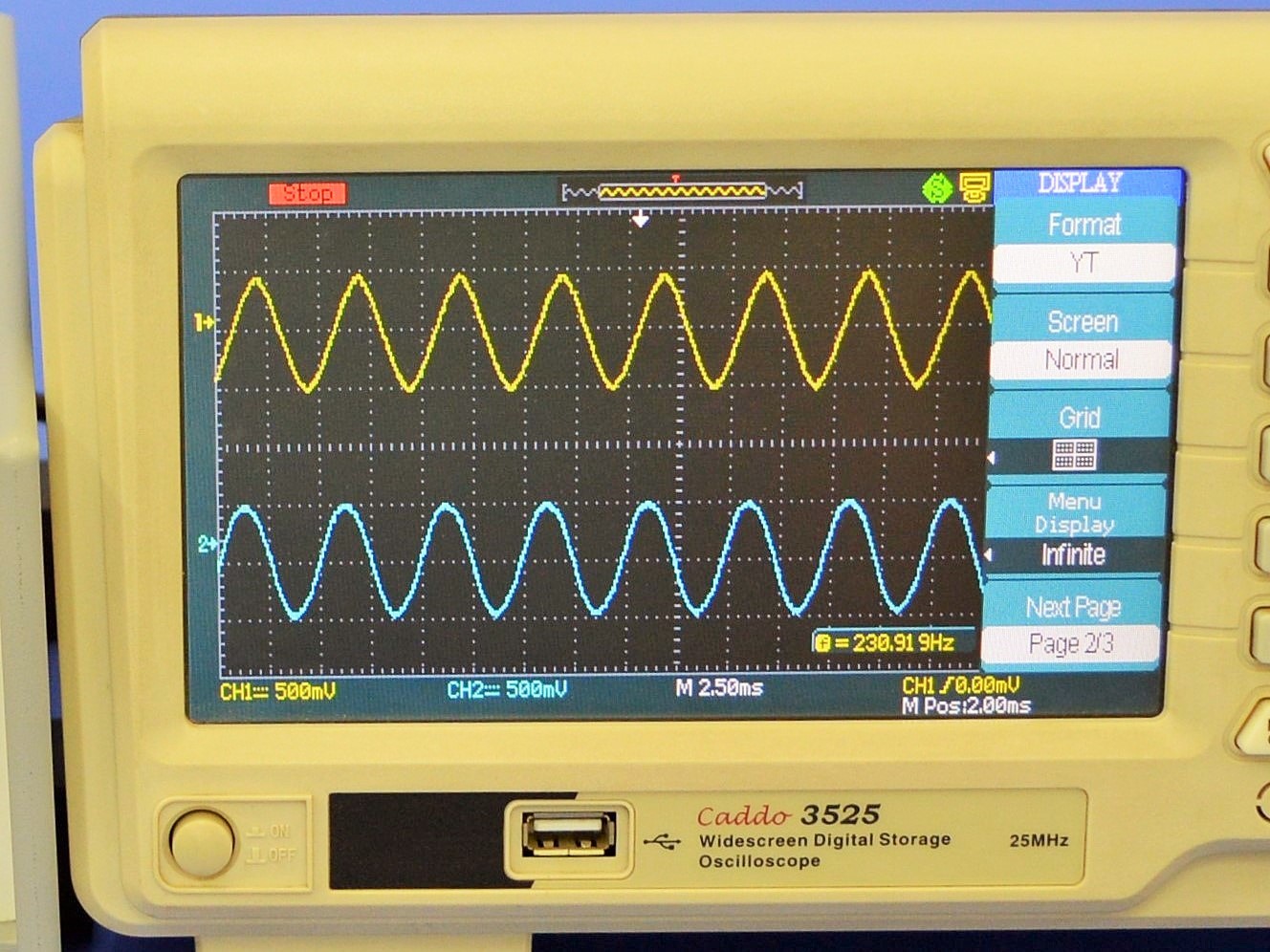
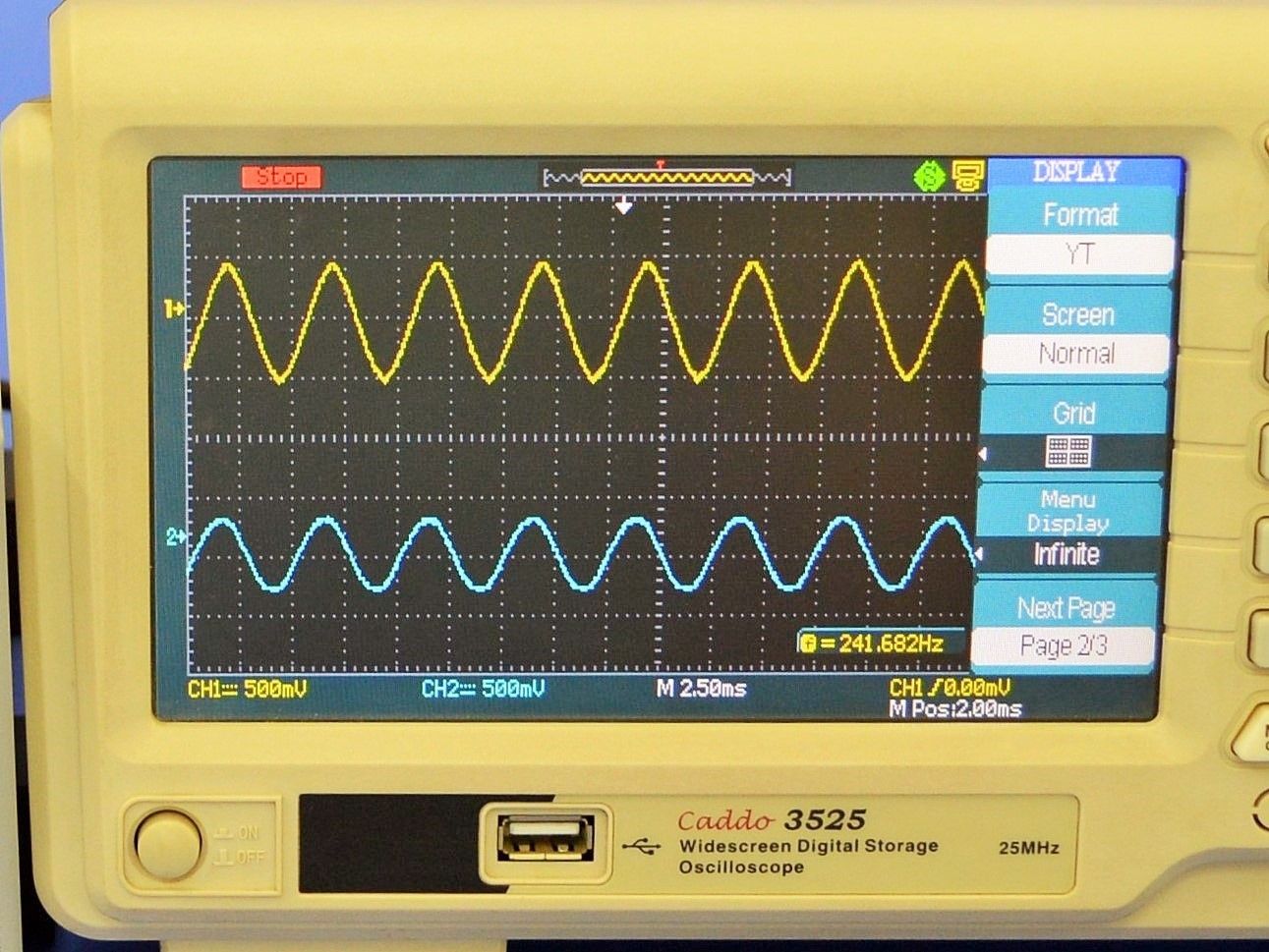
Second Order Network, Son-01
Product Details:
- Material Electronics
- Usage Control Laboratory Experiment
- Application Control Laboratory Experiment
- Weight 20 Kg Kilograms (kg)
- Color Grey
- Type Control Lab Trainer
- Display Type Digital
- Click to View more
Second Order Network, Son-01 Price And Quantity
- 1 , , Piece
Second Order Network, Son-01 Product Specifications
- 20 Kg Kilograms (kg)
- Grey
- Electronics
- Digital
- Control Laboratory Experiment
- Control Lab Trainer
- Control Laboratory Experiment
Second Order Network, Son-01 Trade Information
- Cash Against Delivery (CAD), Cash on Delivery (COD), Delivery Point (DP), Telegraphic Transfer (T/T), Cash in Advance (CID), Cheque, Cash Advance (CA)
- 100 , , Piece Per Month
- 1 Week
- Contact us for information regarding our sample policy
- Complete in all respect
- Asia, Australia, Central America, North America, South America, Eastern Europe, Western Europe, Middle East, Africa
- All India
- ISO 9001: 2015 CE
Product Description
Second Order Network, Son-01
We offer Study of Second Order Networks useful for control labs. Second order networks are important because of the fact that these are the simplest networks that produce the complete range of transient response from over damping to near oscillations. Although theoretical discussions are normally confined to passive RLC networks, such networks are limited in their performance due to the rather large resistance of any reasonable value inductance that might be constructed to operate at frequencies of few kHz. In the present unit active RC-network has been designed which span the complete behavior of an equivalent passive RLC network. The user thus has the experience of studying a near ideal passive second order network complete with all theoretical computations and their experimental verifications.
Highlights:
- Active second order network
- Damping control over-, critical-, and under-damping
- Built-in sine wave signal
- Needs an external CRO for response study
- Operates with 220V/50 Hz
- Detailed technical literature and experiment results supplied
Experiments:
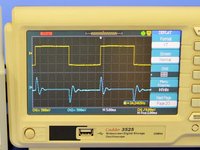
- Observe and trace from the CRO screen the step response for different values
- Compute approximate values of equivalent network parameters.
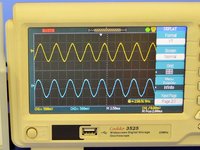
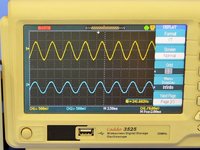
- Plot the frequency response for various and observe resonance
Features and Specifications:
- Active RLC network using 3-Op Amps
- Damping 1.1-0.1 (approx)
- Square Wave 35-700 Hz., 0-1V (typical)
- Sine Wave 35-700 Hz., 0-1V (typical)
- Essential accessory: a CRO
The experiment is complete in all respect, except a CRO.
Advanced Learning for Control Systems
The Second Order Network, Son-01 serves as a comprehensive tool to master second order control systems. It enables hands-on practical understanding, crucial for both undergraduate studies and research. The digital display ensures clarity in observation, making it easier to interpret data and comprehend system behaviors effectively.
Robust and Reliable Construction
Built with high-grade electronic components and engineered for durability, the Son-01 can withstand repeated use in demanding laboratory conditions. Its material selection and structural design guarantee longevity and consistent performance, making it a valuable investment for any control laboratory.
Versatile Applications in Education and Research
This device is ideal for universities, technical institutes, and industrial training centers. It's especially suitable for control laboratory experiments, providing real-time insights into second-order network responses, settling times, and damping phenomena, all critical for control theory education.
FAQ's of Second Order Network, Son-01:
Q: How do I use the Second Order Network, Son-01 in a control laboratory experiment?
A: To use the Son-01, connect it according to the experiment's methodology, power it on, and configure the necessary parameters using the digital display. Follow the provided manual for stepwise instructions to conduct experiments related to second order system responses.Q: What is the primary benefit of incorporating the Son-01 in educational labs?
A: The primary benefit is hands-on learning of second order network dynamics, allowing students to visually and practically understand concepts such as oscillation, damping, and stability. This practical exposure reinforces theoretical lessons effectively.Q: When should the Second Order Network, Son-01 be utilized during the coursework?
A: The Son-01 is best used during units covering control systems, particularly when studying second order differential equations and dynamic responses. It's beneficial both at the introduction of the topic and in subsequent advanced experiments.Q: Where can the Son-01 be integrated for optimal use?
A: This trainer can be integrated into control laboratories at universities, research institutes, and technical training centers. It's highly suitable in environments focused on control systems education and experiments.Q: What is the process of setting up the Son-01 for an experiment?
A: Begin by placing the trainer on a stable surface, connect it to the necessary input and output devices, power it on, and reference the digital display for parameter adjustment. Calibration and initial testing, as per the manual, should precede any experimental run.Q: What advantages does the digital display offer for users?
A: The digital display provides precise and immediate readings, making it easier to monitor system outputs and changes in real time. This eliminates guesswork and enhances the accuracy of experimental observations.
Price:
- 50
- 100
- 200
- 250
- 500
- 1000+

Other Products in 'Control Laboratory Experiments' category


- Building 452, Adarsh Nagar,Roorkee - 247667, Uttarakhand, India
- Phone : 07313725920

- Mr Ravi Prakash (Director)
- Mobile :07313725920
- Send Inquiry
- Landline : 91-1332-277118/ 272852
Direct No. :09837072750
 Send Inquiry
 Send Inquiry
 Send SMS
 Call Me Free
Developed and Managed by Infocom Network Private Limited.

