 English
 Spanish
 French
 German
 Italian
 Chinese (Simplified)
 Japanese
 Korean
 Arabic
 Portuguese
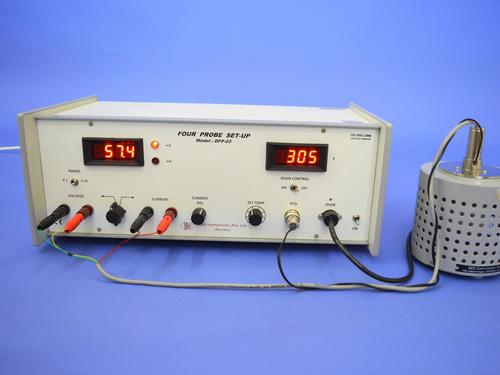
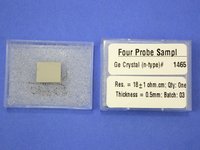
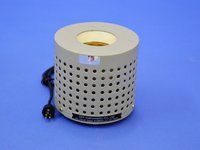
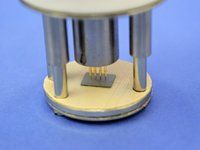
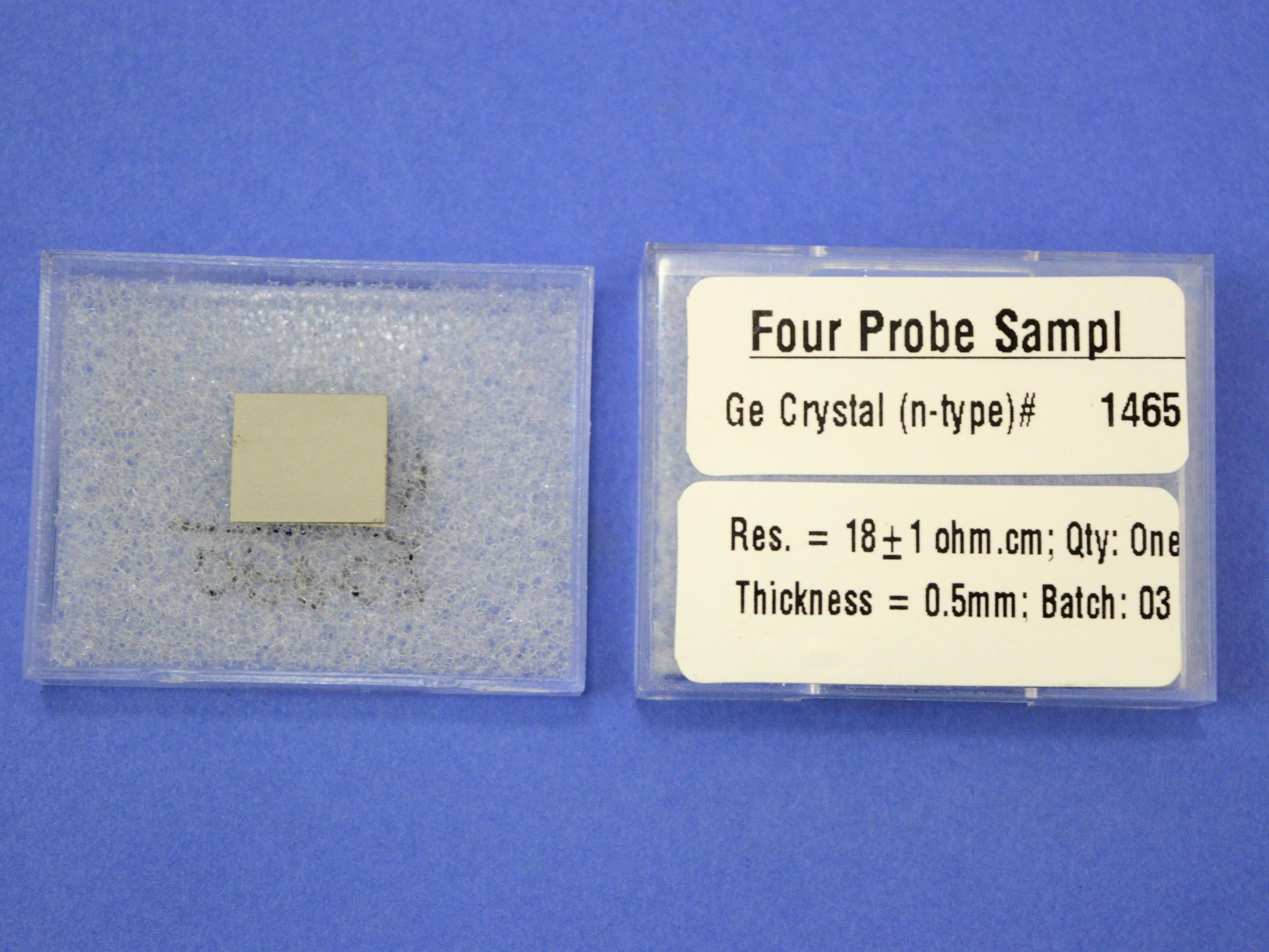
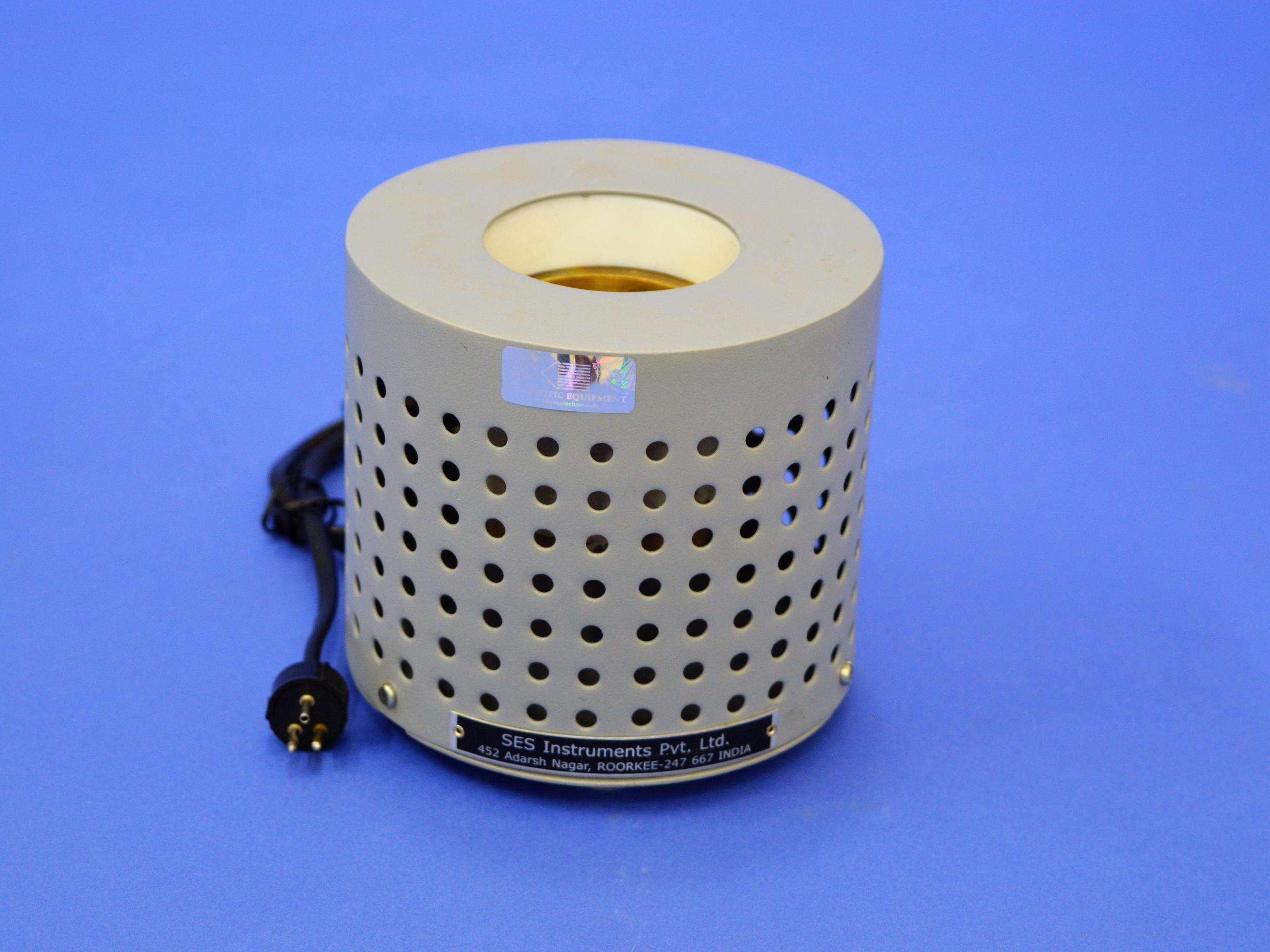
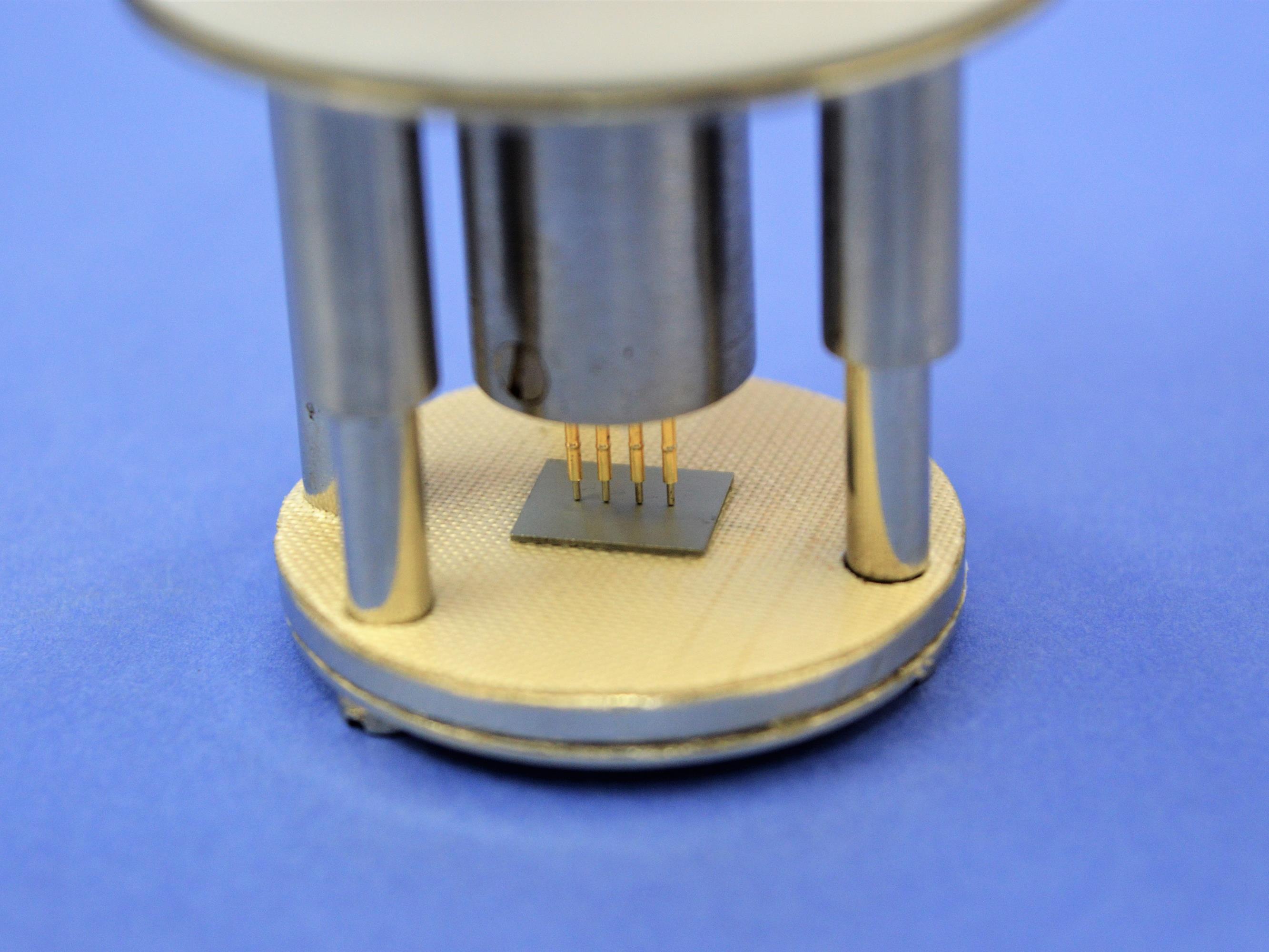
Four Probe Method, Dfp-03 (Advance Model)
Product Details:
- Material Electronics
- Application Laboratory Experiment
- Usage Laboratory Experiment
- Weight 20 Kg Kilograms (kg)
- Color Grey
- Display Type Digital
- Click to View more
Four Probe Method, Dfp-03 (Advance Model) Price And Quantity
- 1 Set
Four Probe Method, Dfp-03 (Advance Model) Product Specifications
- Laboratory Experiment
- Laboratory Experiment
- Electronics
- 20 Kg Kilograms (kg)
- Grey
- Digital
Four Probe Method, Dfp-03 (Advance Model) Trade Information
- Cash on Delivery (COD), Delivery Point (DP), Cash Against Delivery (CAD), Telegraphic Transfer (T/T), Cash in Advance (CID), Cheque, Cash Advance (CA)
- 100 Set Per Month
- 1 Week
- Contact us for information regarding our sample policy
- Complete in all respect
- Asia, Australia, Central America, North America, South America, Eastern Europe, Western Europe, Middle East, Africa
- All India
- ISO 9001: 2015 CE
Product Description
Four Probe Method, Dfp-03 (Advance Model)
We manufacture, export and supply Four Probe Measurement Device to our clients in Roorkee, Uttarakhand, India. The Four Probe Method is one of the standard and most widely used method for the measurement of resistivity. In its useful form, the four probes are collinear. The error due to contact resistance, which is significant in the electrical measurement on semiconductors, is avoided by the use of two extra contacts (probes) between the current contacts. In this arrangement the contact resistance may all be high compare to the sample resistance, but as long as the resistance of the sample and contact resistance's are small compared with the effective resistance of the voltage measuring device (potentiometer, electrometer or electronic voltmeter), the measured value will remain unaffected. Because of pressure contacts, the arrangement is also specially useful for quick measurement on different samples or sampling different parts of the sample.
Advanced Digital Measurement for Laboratories
Utilizing advanced electronics, the Dfp-03 provides precise readings for resistivity in various materials. Its digital display ensures clarity, reducing the likelihood of human error, and making it ideal for both teaching and research settings in laboratories.
Durable and User-Friendly Design
Constructed with high-quality materials, the Four Probe Method instrument maintains reliability during regular laboratory use. The gray finish and robust weight support its long-term durability, while ergonomic design simplifies setup and operation for users of all skill levels.
Widely Used Across Scientific Institutions
Favored by labs, universities, and industrial research centers, this device facilitates a range of experiments. Its status as an exporter and supplier product from India ensures its availability and trustworthiness in scientific communities.
FAQ's of Four Probe Method, Dfp-03 (Advance Model):
Q: How does the Four Probe Method, Dfp-03 (Advance Model) work in laboratory experiments?
A: The Dfp-03 employs four equally spaced probes to measure the resistivity of semiconductor materials by applying current and measuring the voltage drop, offering highly accurate and repeatable results for laboratory analysis.Q: What materials and features define the Dfp-03 Advance Model?
A: This instrument utilizes premium electronic components, comes in a grey finish, and includes a digital display for easy reading. The equipment is designed to be durable with a weight range between 14 and 20 kilograms for stable laboratory use.Q: When should the Four Probe Method be used in laboratory applications?
A: The Dfp-03 is ideal for use during experiments involving the electrical characterization of semiconductor materials or when precise resistivity measurements are required as part of laboratory research and teaching.Q: Where is the Four Probe Method, Dfp-03 typically utilized?
A: It is predominantly used in academic laboratories, research institutions, and industrial labs throughout India, particularly where exporters, manufacturers, and suppliers provide scientific equipment.Q: What is the process for using the Four Probe Method in the laboratory?
A: To use the Dfp-03, place the sample on the stage, adjust the probes, set the required current, and read the results on the digital display. Ensure all measurements are recorded to maintain experiment accuracy.Q: What are the primary benefits of using the Dfp-03 Advance Model?
A: Users benefit from precise, digital measurements, a robust and durable design suitable for repeated experiments, and a user-friendly interface that enhances both learning and research outcomes in laboratory environments.
Price:
- 50
- 100
- 200
- 250
- 500
- 1000+

Other Products in 'Physics & Material Sc. Lab Experiments' category


- Building 452, Adarsh Nagar,Roorkee - 247667, Uttarakhand, India
- Phone : 07313725920

- Mr Ravi Prakash (Director)
- Mobile :07313725920
- Send Inquiry
- Landline : 91-1332-277118/ 272852
Direct No. :+919837072750
 Send Inquiry
 Send Inquiry
 Send SMS
Developed and Managed by Infocom Network Private Limited.

