 English
 Spanish
 French
 German
 Italian
 Chinese (Simplified)
 Japanese
 Korean
 Arabic
 Portuguese


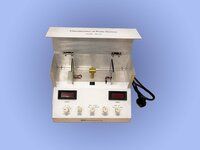
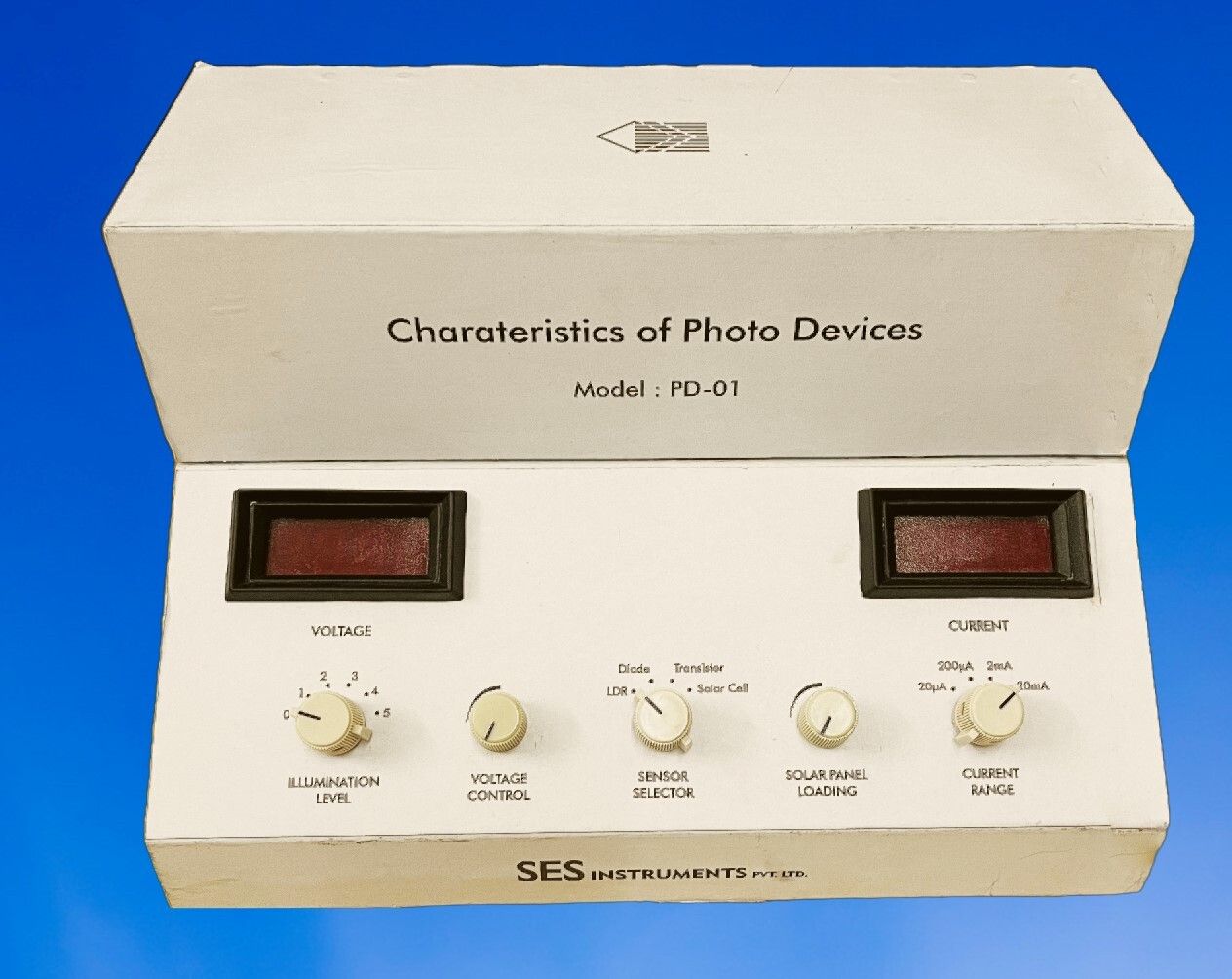

Characteristics of Photo Devices, PD-01
Product Details:
- Size Standar
- Surface Finish Color Coating
- Style Plain
- Use Laboratory Experiment
- Material Physics Material Science
- Shape Rectangle
- Color Grey
- Click to View more
Characteristics of Photo Devices, PD-01 Price And Quantity
- 1 Piece
- 13000 INR/Piece
Characteristics of Photo Devices, PD-01 Product Specifications
- Rectangle
- Grey
- Standar
- Color Coating
- Plain
- Laboratory Experiment
- Physics Material Science
Characteristics of Photo Devices, PD-01 Trade Information
- Cash Against Delivery (CAD), Cash on Delivery (COD), Cash Advance (CA), Cash in Advance (CID), Cheque, Delivery Point (DP), Telegraphic Transfer (T/T)
- 100 Piece Per Month
- 1 Week
- Contact us for information regarding our sample policy
- Complete in all respect
- Asia, Australia, Central America, North America, South America, Eastern Europe, Western Europe, Middle East, Africa
- All India
- ISO 9001: 2015 CE
Product Description
We manufacture, export and supply Experimental setup of Characteristics of Photo Devices. A transducer is a device that converts variations in a physical quantity, such as pressure, temperature, position, speed, etc., into an electrical signal or vice versa. Optical transducers, also known as photoelectric transducers, specifically convert light into an electrical quantity, such as current or voltage. They can be further classified into three types: photo emissive, photoconductive, and photovoltaic transducers. In Study of Characteristics of Photo Devices, we present an experiment that involves studying the characteristics of four different sensors: LDR (Light Dependent Resistor), photodiode, phototransistor, and a small solar panel. These sensors are used to measure and respond to light intensity. To provide variable intensity light for the sensors, a 3W white LED is utilized as the light source.
One of the key features of the experiment is the automatic selection of circuit configurations from a panel for each chosen experiment. This eliminates the need for users to make any external connections, allowing them to focus solely on conducting the experiment. The experiment entails operating the photo devices at various light intensity levels and recording their performance characteristics. These characteristics are then subjected to detailed analysis.
By conducting this experiment, users can gain valuable insights into the behavior and performance of different optical sensors in response to varying light intensities. This information can be beneficial for various applications in fields such as electronics, automation, and measurement systems.
Robust Laboratory Photo Device
Built with a focus on physics material science, the PD-01 is engineered for accuracy and resilience. Its color-coated surface and plain design ensure it meets the demanding conditions of laboratory experimentation while maintaining longevity. Researchers benefit from its standard sizing and rectangular shape, which support compatibility and ease of integration into various setups.
Ideal for Scientific Research
Especially suited for laboratory experiments, the PD-01 enables precise studies in material science and photonics. Manufactured by trusted Indian suppliers and exporters, it meets international quality standards. Its grey finish and sturdy material construction make it a preferred choice in academic and scientific institutions.
FAQ's of Characteristics of Photo Devices, PD-01:
Q: How is the PD-01 Photo Device utilized in laboratory experiments?
A: The PD-01 is commonly used in laboratory setups for physics or material science experiments. Its standard size and rectangular shape make it compatible with various holders and instruments, facilitating precise measurement and research tasks.Q: What distinguishes the surface finish of the PD-01?
A: The PD-01 features a color-coated surface that provides extra durability and resistance to wear, ensuring the device remains intact during repeated laboratory use. This finish also offers an aesthetically appealing grey appearance.Q: When should I consider using the PD-01 Photo Device in my lab?
A: The PD-01 is ideal when your experiment requires a reliable, plain-style photo device with proven material science credentials. It should be selected for tests where accuracy, compatibility, and durability are important.Q: Where is the PD-01 Photo Device manufactured and supplied from?
A: This device is manufactured, exported, and supplied by leading firms in India. It is accessible through specialized laboratory equipment exporters and suppliers within the region.Q: What is the production process behind the PD-01?
A: The PD-01 is produced using advanced material science techniques, ensuring high-strength and durability. The rectangular components are finished with a robust color coating to withstand laboratory conditions.Q: What benefits does the PD-01 offer over other photo devices?
A: Its main benefits include a durable color-coated surface, compatibility with standard laboratory equipment, and reliable performance in physics and material science experiments. These features make it cost-effective and user-friendly for laboratory professionals.
Price:
- 50
- 100
- 200
- 250
- 500
- 1000+

Other Products in 'Experimental Setups ' category




- Building 452, Adarsh Nagar,Roorkee - 247667, Uttarakhand, India
- Phone : 07313725920

- Mr Ravi Prakash (Director)
- Mobile :07313725920
- Send Inquiry
- Landline : 91-1332-277118/ 272852
Direct No. :+919837072750
 Send Inquiry
 Send Inquiry
 Send SMS
 Call Me Free
Developed and Managed by Infocom Network Private Limited.

